Welcome to the Vollum Institute/OHSU Neuroscience Graduate Program
Founded in 1992, the Neuroscience Graduate Program (NGP) at OHSU has 53 predoctoral students and more than 140 faculty in a broad range of subdisciplines. The program is intended for students planning a career in academic or industry research, but we encourage student to explore the career path that matches their ambitions and expertise. The program is particularly strong in cellular neuroscience, neuronal signaling, gene regulation, biophysics of channels and transporters, sensory systems, and neuroendocrinology with increasing strength in developmental neuroscience and disease-oriented neuroscience research. Faculty members are located within research institutes at OHSU including the Vollum Institute, the Oregon National Primate Research Center (ONPRC), Oregon Hearing Research Center, Jungers Center and the Oregon Institute for Occupational Health Sciences; as well as the basic and clinical departments in the OHSU School of Medicine.
Upcoming events
The Alliance for Visible Diversity
Working to increase visible diversity within graduate programs at OHSU
Faculty News
Dr. Mansoor appointed to endowed professorship in cardiovascular medicine
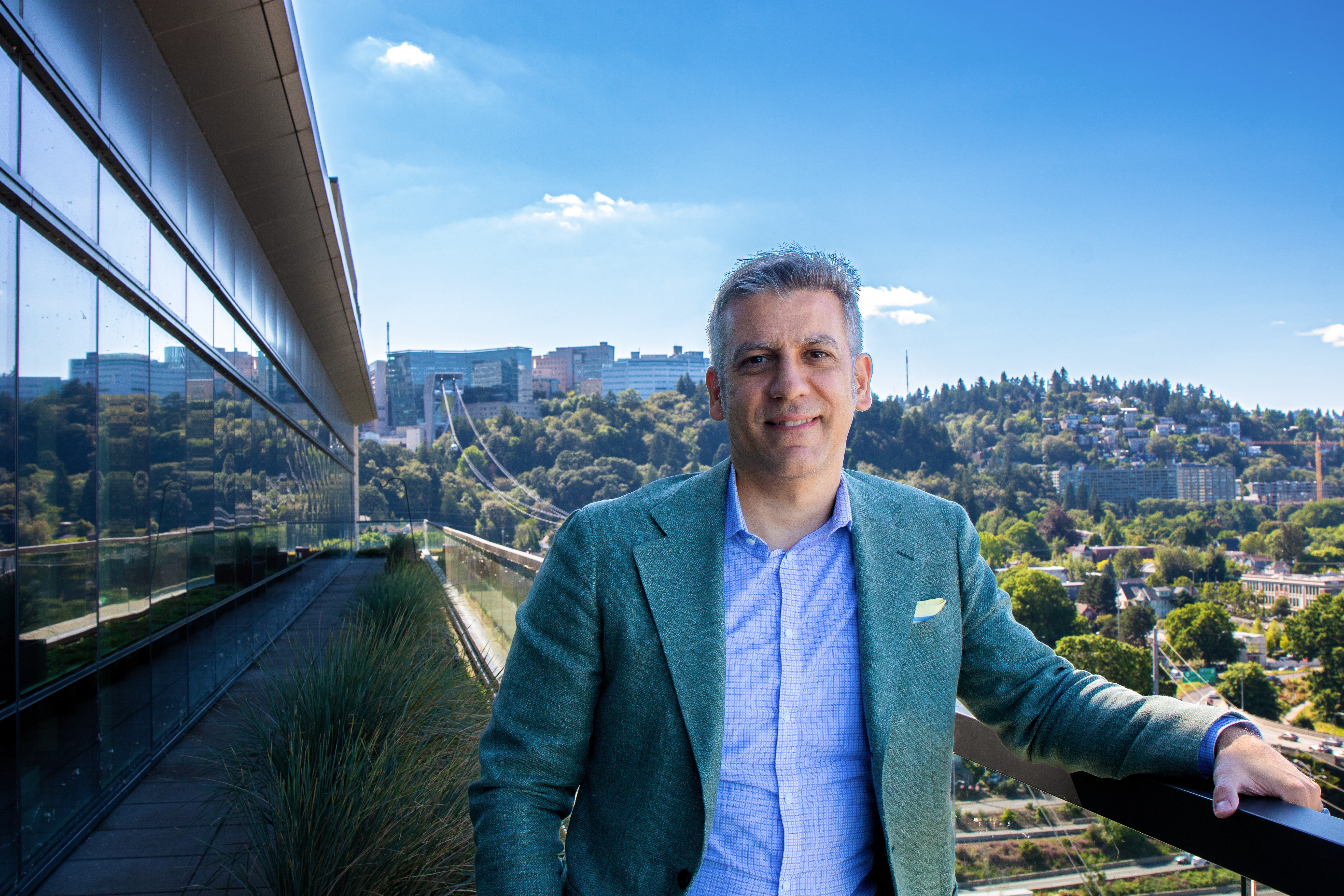
The KCVI is proud of the achievements and would like to share our congratulations with a Knight Cardiovascular Institute (KCVI) faculty member who has recently been appointed to an endowed professorship. Steven E. Mansoor, M.D., Ph.D., has been appointed to hold the Ernest C. Swigert Endowed Professorship in Cardiovascular Medicine.
Read the full article
Mansoor Lab
Scientists identify target to treat devastating brain disease
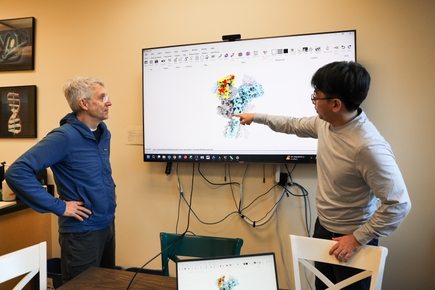
Scientists have identified a promising target for treatment of a devastating autoimmune disease affecting the brain.
The discovery could lead to the development of new therapies for a disease triggered by an attack on one of the key neurotransmitter receptors in the brain, the NMDA receptor. It also raises the potential for a blood test to detect a signal of the condition and enable earlier treatment with existing therapies.
The study from Oregon Health & Science University published today in the journal Science Advances.
Researchers identify kidney sensor that helps control fluid balance
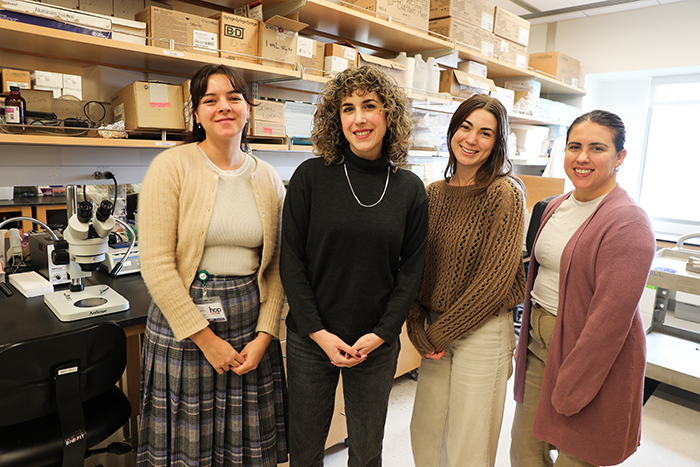
A new study has identified a critical “pressure sensor” inside the kidney that helps the body control blood pressure and fluid levels. The finding helps explain how the kidneys sense changes in blood volume — something scientists for decades have known occurs but didn’t have a mechanistic explanation.
Saunders lab's Cell Reports article describes the unique role of astrocyte innate immune signaling in combating viral infection
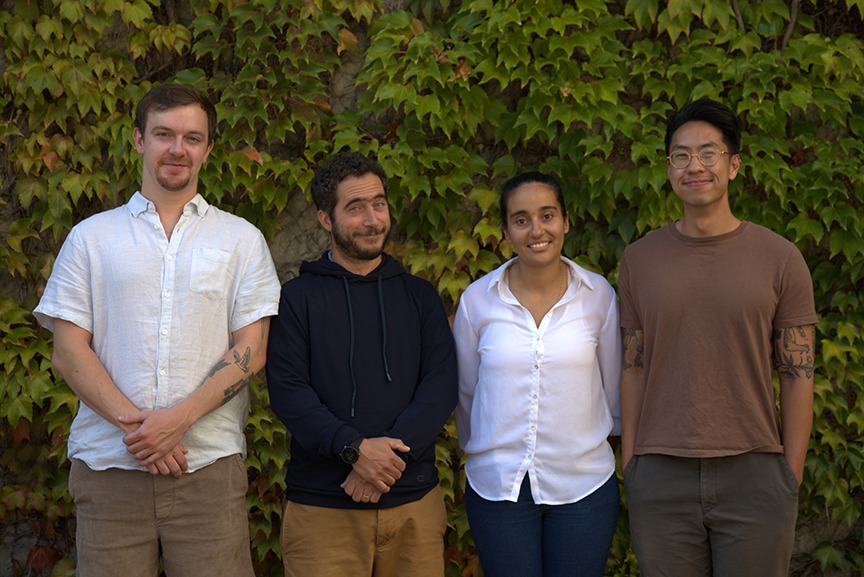
Arpy Saunders, Ph.D., assistant scientist at the OHSU Vollum Institute, and colleagues have discovered that the rabies virus interacts with human brain cell types in unexpected ways. Using single-cell molecular analysis, they found that rabies normally stays “stealthy” by blocking the brain’s innate immune defenses. When this ability was removed, infection spiked in a rare group of astrocytes — support cells that play vital roles in brain function. The findings reveal how the brain balances protection and vulnerability during viral attack and highlight astrocytes as key players in future efforts to understand and treat brain infections. Their findings were just published in Cell Reports.
OHSU scientists uncover how cellular receptors are linked to disease
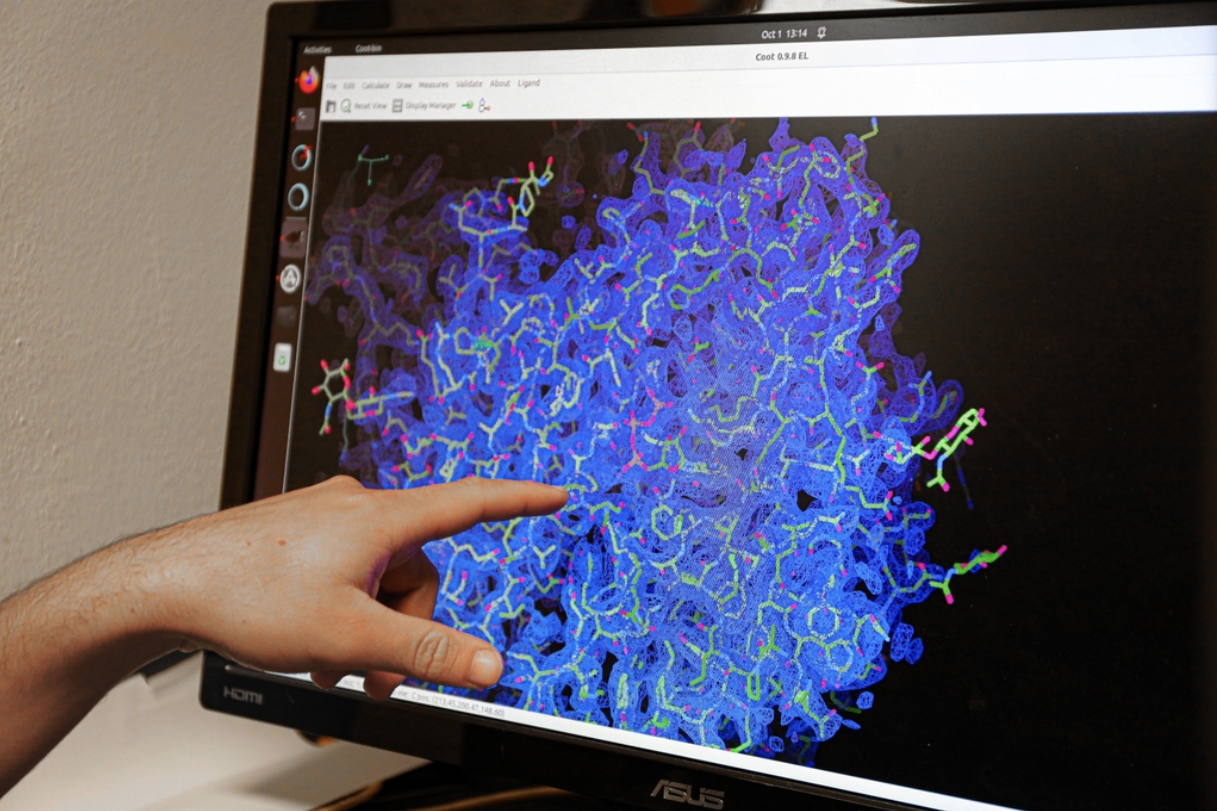
Findings offer hope for new treatments targeting inflammation-related conditions
In two new studies, scientists at Oregon Health & Science University have uncovered detailed blueprints of how certain molecular “gates” in human cells work — findings that could open doors to new treatments for conditions ranging from certain cancers and brain diseases to hearing loss and atherosclerosis, or plaque build-up in the arteries.
Read the full article
Mansoor Lab
Student News
Elias Wisdom receives the Alzheimer's Association’s "One to Watch" award
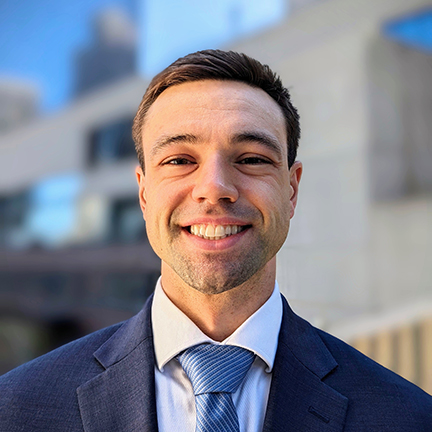
Congratulations to Elias Wisdom, a 5th year M.D./Ph.D. student (3rd year Ph.D.) neuroscience graduate program student, who received the Alzheimer's Association’s "One to Watch" award at the 2026 Neuroscience Next conference in February.
Austin Schubert wins for poster at Cure SYNGAP1 conference
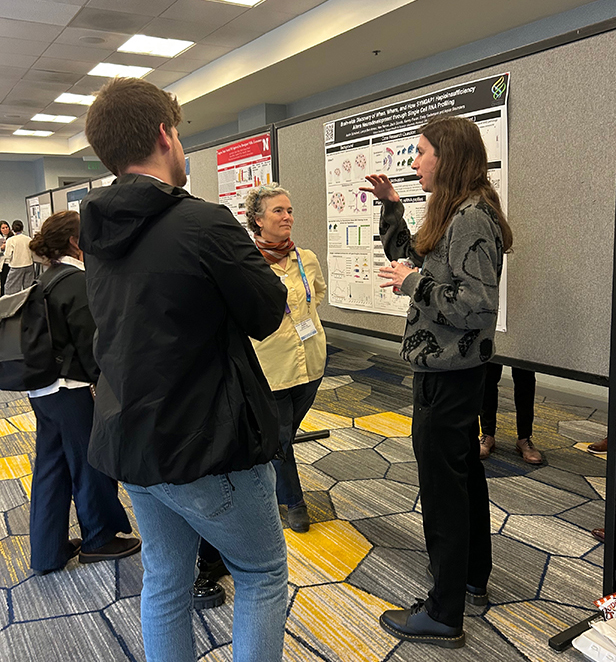
Congratulations to Austin Schubert, an NGP student and member of the Saunders lab, for his recent win at the Cure SYNGAP1 conference in Atlanta. Austin won “Most Innovative Approach” for his poster titled “Brain–wide discovery of when, where, and how SYNGAP1 haploinsufficiency alters neurodevelopment through single cell RNA profiling.”
Tony Muñoz Awarded 2025 Gilliam Fellowship for neuroscience excellence
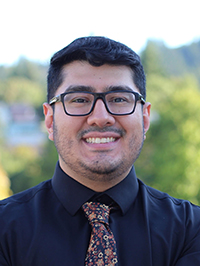
Tony Muñoz, a graduate student and Ph.D. candidate in Oregon Health & Science University’s Neuroscience Graduate Program, has been awarded the Howard Hughes Medical Institute’s 2025 Gilliam Fellows Program grant. He is also an active member of the Society for the Advancement of Chicanos/Hispanics and Native Americans in STEM at OHSU, which aims to promote inclusivity and community within the institution. Muñoz conducts research in the lab of Swetha Murthy, Ph.D., an assistant scientist in the Vollum Institute who specializes in mechanotransduction and ion channels.
Two graduate students named 2025 Lacroute Fellows
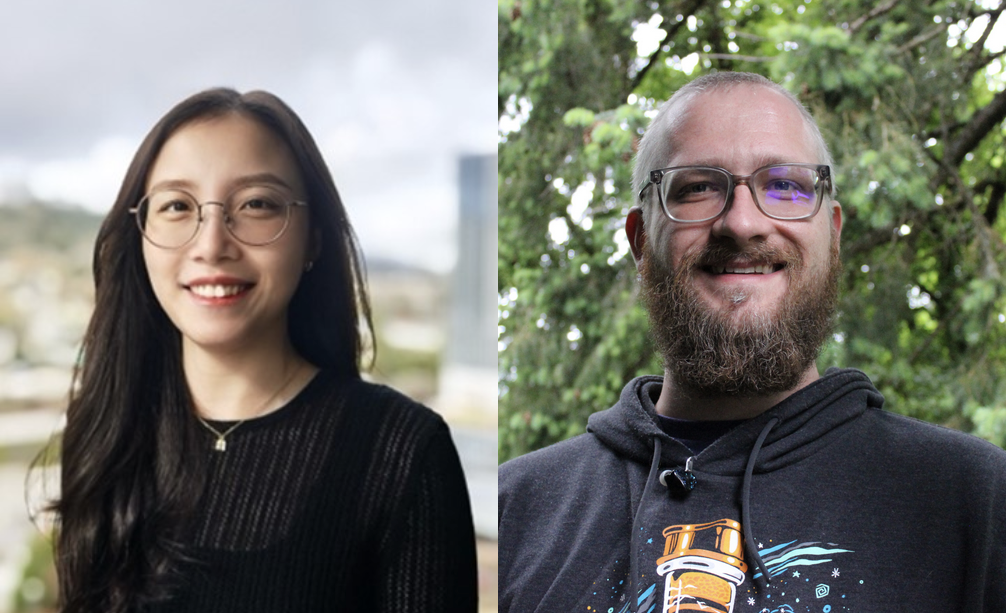
Two predoctoral students in the Neuroscience Graduate Program at OHSU were recently awarded the 2025 Lacroute Fellowship. This fellowship is made possible through the philanthropic support of a generous donor. The Lacroute Fellows Program supports exceptional graduate students conducting innovative research in the Vollum Institute/OHSU Neuroscience Graduate Program.
Congratulations to the 2025 fellows: Hoa Trinh (Freeman Lab) & Jed Syrenne (Murthy Lab and Reichow Lab)
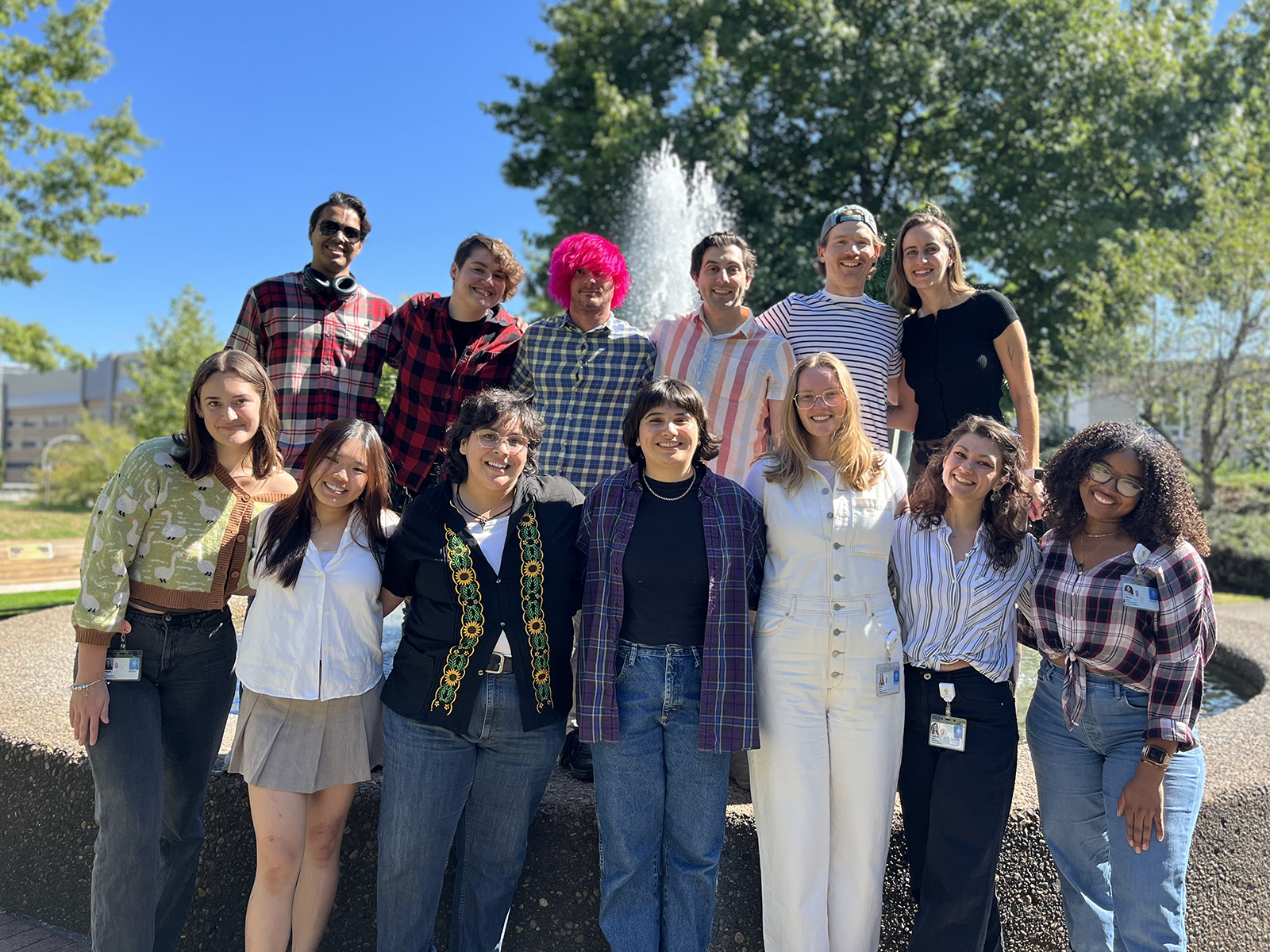
2025 Incoming NGP students
-
- Landon Bayless-Edwards, Mao Lab
NIDA NRSA F30: "Intracellular signaling mechanisms underlying opioid modulation of pain." - Shannon Hu, Reichow Lab
F31 NRSA Fellowship: "Structural and Functional Roles of Membrane Lipids in the pH gating of Connexin-46/50 Channels." - Madison Hupp, Freeman Lab
NINDS F31: "Neuronal and glial mechanisms regulating Pair1 local pruning." - Arielle Isakharov, Wright Lab
NEI F31 Predoctoral Fellowship: "Genetic analysis of the Robo3+ glycinergic amacrine cell." - Jennifer Jenks, Emery Lab
NINDS F31: "Cellular and circuit effects of genetic ablation of adult-born oligodendrocytes." - Chloé Le Moing, Jackman Lab
NINDS F31: "Examining the role of synaptic facilitation in cortical network function and behavioral flexibility." - Chloé Le Moing, Jackman Lab
2025 Invent Oregon Collegiate Challenge winner - Tony Muñoz, Murthy Lab
HHMI Gilliam Fellow: "Investigating Mechanosensors Involved in Swallowing Physiology." - Zach Papich, Butler Lab
F31 NRSA Fellowship: "Food and Light Cue Entrainment of the Ovulation Stimulating HPG Axis." - Melanie Piller, Monk Lab
NINDS F31: "The role of P/Q-type channels in oligodendrocyte lineage cell development." - Yessica Santana Agreda, Wright Lab
HHMI Gilliam Fellow: "Transcriptional Control of Starburst Amacrine Cell Specification and Maturation." - Erin Santos, Freeman Lab
HHMI Gilliam Fellow: "CamKII-Dependent Mechanisms of Astrocyte Ca2+ Signaling." - Frederika Sullivan, Wright Lab
National Science Foundation, Graduate Research Fellowship - Jed Syrenne, Murthy Lab and Reichow Lab
2025 Lacroute Fellow - Hoa Trinh, Freeman Lab
2025 Lacroute Fellow
- Landon Bayless-Edwards, Mao Lab