OHSU Faculty Excellence and Innovation Awards
The OHSU Faculty Excellence and Innovation Awards recognize exceptionally creative early- and middle-stage investigators. OHSU deans, directors and chairs nominate a single candidate from their respective schools, programs and departments, and applications are reviewed by prominent scientists from institutions around the country. Finalists and nominees represent the next generation of faculty leaders at OHSU.
The awards are made possible by the Silver Family Innovation Fund. These investments not only catalyze innovation in finalists’ labs but also spark new collaborations that benefit other scientists at OHSU. Learn more and apply.
Award Winners 2026
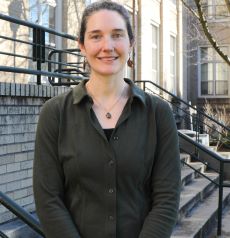
Elizabeth Moss, Ph.D.
Assistant professor of anesthesiology and perioperative medicine in the OHSU School of Medicine
Moss' research program seeks to answer a fundamental question in neuroscience: How does the brain transform raw sensory input into meaningful perceptions that guide behavior? Using the mouse olfactory system as a model, her lab studies the neural mechanisms that make sensory processing both stable and remarkably flexible, with the long-term goal of applying these insights to understand, diagnose, and reduce the burden of neurodegenerative disease.
Moss has made significant contributions to sensory neuroscience, including discoveries that highlight how reliable information processing is carried out by messy biological systems like neural circuits. Her research has shown that odors are represented in the brain by dense, distributed, probabilistic, and persistent patterns of activity and that the olfactory bulb produces inverted “afterimages” of odors, which serve as short-term memory traces that enhance the ability to distinguish odors encountered in quick succession. Building on this work, she has also revealed how attention and arousal pathways in the basal forebrain impact olfactory behavior, uncovering systems-level mechanisms by which internal states shape perception. Across these projects, combines in vivo imaging, genetically targeted circuit manipulations, and sophisticated behavioral assays to link neural activity with perception and behavior. Together her work helps unravel how the brain uses its biological hardware to perform complex and flexible neural computations.
- Faculty profile
- OHSU Experts
- OHSU News
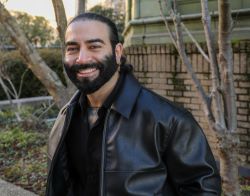
Alireza Karimi, Ph.D.
Assistant professor of ophthalmology and biomedical engineering, OHSU School of Medicine and OHSU Casey Eye Institute
Karimi leads an interdisciplinary lab at the interface of biomechanics, microfluidics and gene therapy. Trained in mechanical and biomedical engineering from Kyushu University, Japan, Karimi tackles eye disease as an engineering problem: How can restoring a tissue’s mechanical “sense of touch” cure glaucoma rather than merely control it?
Karimi created the first eye-specific finite-element and fluid structure interaction models that link corneal, scleral, and optic nerve microarchitecture to vision loss, and he recently invented an “outflow-on-a-chip” platform that recreates human aqueous humor flow and live traction force imaging in-vitro. His lab’s discovery that spectrin and Piezo/TRPV4 ion channels act as lost mechanosensors in glaucomatous tissue shows a new mechanogenomic therapy program now supported by his first NIH R01 grant.
A parallel thrust of Karimi’s work translates advanced artificial intelligence into sight-saving tools. He founded Glocomate, a deep-learning platform that detects glaucoma from EHR data with more than 71 accuracy. Building on this success, his current NIH-funded project integrates high-density anterior segment OCT, digital volume correlation and graph convolutional neural networks to generate the first “outflow stiffness map” of the living eye, an AI test that, in 30 seconds, flags rigid aqueous outflow regions, predicts a patient’s response to Netarsudil or Latanoprostene, and guides targeted MIGS procedures.
Award Winners 2025
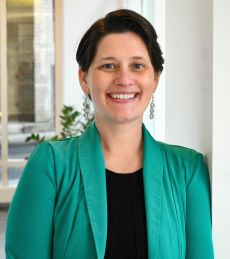
Renee Ryals, Ph.D.
Associate professor of ophthalmology in the OHSU School of Medicine and OHSU Casey Eye Institute
Ryals specializes in the development of gene- and cell-based therapies for inherited retinal degenerations, known as IRD. IRDs are genetic conditions that lead to blindness because of mutations in the genes that affect the retina, the part of the eye that processes visual information. More than 280 different genes are known to cause these retinal diseases. Ryals uses advanced technologies, including CRISPR and other gene-editing tools, to help find potential treatments for IRD patients.
Ryals’ project aims to create gene-editing treatments for the most common IRD mutations. The project has three main steps: The first step is to test the gene-editing tools for these mutations using patient-derived cell samples. The second step is to develop a safe, non-viral delivery system to carry the gene-editing tools into patients' cells. The third step involves testing these tools in nonhuman primates to ensure they are safe and effective. The goal is to gather enough data to apply for approval to begin clinical trials.
In her research, Ryals extensively works on optimizing lipid nanoparticles, which are tiny particles that can carry gene-editing tools or other gene therapies to the right place in the body. She collaborates with experts from several institutions, including OHSU’s Molecular and Medical Genetics Division, Oregon State University’s College of Pharmacy, and the Devers Eye Institute at Legacy Health. This broad network allows her team to test their treatments in different animal models, from small rodents to larger primates.
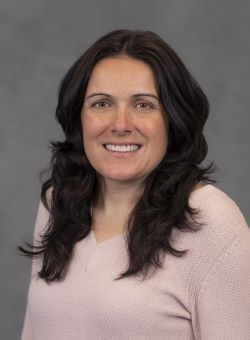
Summer Gibbs, Ph.D.
Douglas Strain Endowed Professorship in the OHSU School of Medicine
Professor of biomedical engineering in the OHSU School of Medicine and OHSU Knight Cancer Institute
About 225 million people worldwide suffer from nerve injuries each year, but current tools for diagnosing and monitoring nerve health, especially during surgery, are limited. Gibbs’ project is working to change that with advanced imaging tools.
Gibbs’ project focuses on creating two new imaging technologies to help doctors better understand nerve health. One of these tools will help surgeons identify and assess nerves during surgery using a special fluorescent probe. The other tool will allow doctors to monitor nerve health and recovery in a less invasive way by using whole-body imaging. The technology used for both tools is based on a nerve-specific small molecule probe that Gibbs and her team have developed during the past decade. This probe can not only help identify nerves during surgery, but also it can show changes in nerve tissue when damage occurs.
With more than 20 years of experience in molecular imaging, Gibbs’ research has led to the development of nerve-specific contrast agents that are now being tested in clinical settings. These agents help surgeons see nerves more clearly during surgery. Gibbs is now expanding her work to test these imaging tools in animal models and evaluate their potential for tracking nerve recovery and monitoring neuropathies, conditions that affect nerve function.

Robert Eil, M.D.
Assistant professor of surgery in the OHSU School of Medicine
Eil is working to develop a new treatment for advanced colon and pancreatic cancers using engineered immune cells called CAR-T cells. While CAR-T therapies have been successful for certain blood cancers, such as lymphoma, they have not worked as well for gastrointestinal cancers such as colon and pancreatic cancer. Eil’s project aims to solve problems that have limited CAR-T cell effectiveness, including poor performance, short lifespan, harmful immune reactions and difficulty applying the treatment in clinical settings.
One of the main challenges in using CAR-T cells for gastrointestinal cancers is that tumors can block the immune system’s ability to function. Eil is focusing on enhancing T cell function by testing genetic changes that boost immune signaling. Another challenge is that CAR-T cells often don’t survive long enough in the body. To address this, Eil is experimenting with new methods for making T cells and reprogramming them to survive longer. Additionally, CAR-T cells can cause harmful immune reactions, so his team is working on directing these cells specifically to the liver and pancreas to reduce side effects.
Eil’s background includes training in surgical oncology and immunology, which he gained at the National Cancer Institute and Memorial Sloan Kettering Cancer Center. His research combines his knowledge of cancer treatment with his experience as a surgeon, allowing him to address key challenges in current therapies.
Award Winners 2024
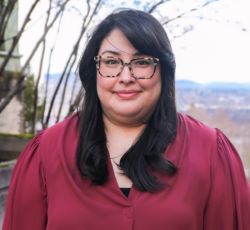
Angelica Morales, Ph.D.
Dr. Angelica Morales is an assistant professor of psychiatry. She received a B.A. in Human Biology from Stanford University and a Ph.D. in Neuroscience from the University of California, Los Angeles. She is also an Associate Editor at the journal Drug and Alcohol Dependence. Throughout her career she has been passionate about understanding the mechanisms that underlie substance use disorders to inform the development of evidence-based interventions for prevention and treatment. She uses multimodal neuroimaging to assess brain structure, function, and chemistry, with the goal of understanding the role individual differences in neurobiology play in the initiation, escalation, and maintenance of substance use disorders. Her research also focuses on identifying neurobiological factors the predict treatment outcomes. She has obtained funding from the Oregon Medical Research Foundation, the OHSU Neuroscience Campaign Fund, and the National Institute on Drug Abuse to support her research.
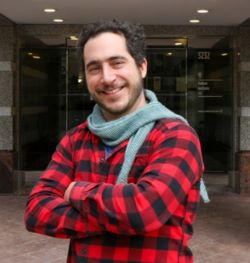
Arpiar “Arpy” Saunders, Ph.D.
Dr. Arpiar “Arpy” Saunders, Ph.D., is currently an assistant professor at the Vollum Institute. Dr. Saunders earned his BA in Biology and Linguistics from Swarthmore College with High Honors. Beginning at the Vollum 2021, the Saunders Lab has focused on developing innovative viral genomic technologies to understand how genetic variation shapes the cellular and synaptic organization of neural circuits. By inventing high-throughput and molecularly-focused strategies to describe the brain’s cellular organization, Arpy aims 1) to understand how precise synaptic networks are formed from diverse brain cell types during development; 2) to integrate insights from human genetics into functional analyses of neural circuits to understand the cellular etiology of neurodevelopmental disorders; and 3) to define the cellular features that specialize the primate brain. In parallel, the Saunders Lab studies the cellular properties of viral infection in the brain, using novel genomic technologies to discover molecules that shape viral interactions across diverse brain cell types. These virology-focused insights simultaneously impact human brain health while also improving viral tools for mapping and manipulating neural circuits. Dr. Saunders has published 21 peer reviewed journal articles across linguistics, genomics, neuroscience and virology, including work in Science, Nature and Cell. He also received the Alfred P. Sloan Foundation Fellowship in Neuroscience, a Rising Star Award from the One Mind Foundation and was a finalist for the McKnight Foundation Scholar Award.
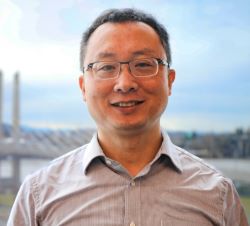
Zheng Xia, Ph.D.
Dr. Zheng Xia is an associate professor in the Department of Biomedical Engineering, as well as a member of the Computational Biology program and Knight Cancer Institute. His lab develops bioinformatics tools for next-generation sequencing data analysis and machine learning algorithms for large-scale biomedical data interpretation. In collaboration with biologists and clinicians, he has used big data bioinformatics analysis to gain novel biological and clinical insights into aging, stem cells, neurological disorders, and cancers. More than 70 peer-reviewed papers have been published through his methodology development and extensive collaborations, including in Nature, Cell, and Science. His current research interests include developing single-cell data analysis algorithms, investigating cancer metastasis and treatment resistance, and advancing cancer immunotherapy.
Award Winners 2023
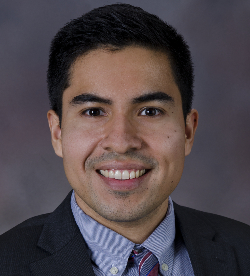
Miguel Marino, Ph.D.
Associate professor of family medicine, OHSU School of Medicine; and, associate professor, OHSU-Portland State University School of Public Health
Marino was elected to the National Academy of Medicine in 2022. A first-generation Mexican American scientist and associate professor of biostatistics, he chose to apply his expertise in biostatistics in family medicine rather than a traditional faculty pathway, developing a career working alongside community-based clinicians.
Marino will use the award in collaboration with John Heintzman, M.D., M.P.H., to establish a new Latino health research center that will incorporate information about Latino populations in the study of health inequities; build capacity in this area of research by developing an ethnically diverse workforce; and, work to ensure the center’s approach aligns with community needs.
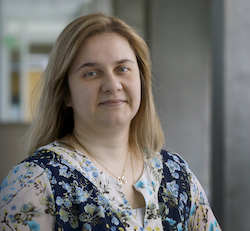
Carmem Pfeifer, D.D.S., Ph.D.
Professor of restorative dentistry (biomaterials and biomechanics), OHSU School of Dentistry
Pfeifer’s research has focused on developing durable, tough polymers combined with antimicrobial additives in dental filling material that’s stronger and lasts twice as long as standard materials used in the field now, and she has demonstrated some success in extending the lifespan of restorations.
Biomedical devices, from dental fillings to artificial hips to shunts in the brain, are all at risk for complications over time. Infections and gradual degradation may lead to potentially life-threatening conditions.
Pfeifer envisions using her award to extend her research in dental materials to other biomedical devices.
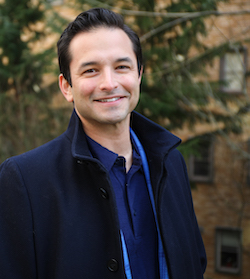
Aaron Grossberg, M.D., Ph.D.
Assistant professor of radiation medicine, OHSU School of Medicine; member of the Cancer Early Detection Advanced Research Center, OHSU Knight Cancer Institute, and the Brenden-Colson Center for Pancreatic Care; and, M.D./Ph.D. Program Committee, School of Medicine
Grossberg, who treats patients with pancreatic cancer, has studied early forms of cachexia in mice and plans to apply lessons learned in the lab to identify patients in the earliest stages of cancer-related weight loss — when treatments are most likely to improve their condition.
Grossberg will use his Faculty Excellence and Innovation Award to expand his laboratory’s ability to study how cancer affects the metabolism of fat and muscle, and identify new drug targets to prevent or reverse this process.
Award Winners 2022
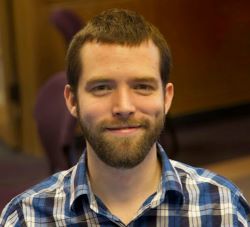
Andrew C. Adey, Ph.D.
Associate professor
Department of Molecular Microbiology and Immunology, OHSU School of Medicine
Member of Cancer Early Detection Advanced Research Center, OHSU Knight Cancer Institute
The Adey Lab has pioneered a number of technologies that have made it possible to map changes in cells in response to stimulus or cell exposure.
Adey’s project will take novel approaches to directly address the challenge of providing a complete picture of gene functions in specific cell contexts. The new approaches aim to provide the versatility and power that is needed to interrogate the orchestration of the complex of components. New understandings of these biological systems will be useful to the broad life sciences community and to Adey’s research program, which seeks to learn the fundamental molecular components and interactions that bring functional capabilities to a cell.
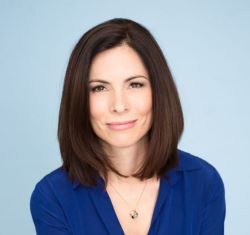
Kathleen Carlson, Ph.D.
Associate professor
OHSU-PSU School of Public Health
Core investigator, Health Services Research Center of Excellence, VA Portland Health Care System
Carslon’s project is to coordinate and cultivate efforts to build an OHSU Gun Violence Prevention Research Center that could have both a state and national impact. She will bring together her training and experience in injury and violence epidemiology with her gun violence prevention research to work with an existing network of experts, applied public health practitioners, and students and other trainees
The existing OHSU-PSU Gun Violence as a Public Health Issue Initiative, of which Carlson serves as chair, will be a foundational component of an OHSU center on gun violence prevention research. This initiative, as well as Carlson’s gun violence prevention research, considers how interventions in the health care setting can reduce risk, while also acknowledging and examining the broader socioeconomic factors that contribute to the inequitable burden of this public health issue across the U.S.
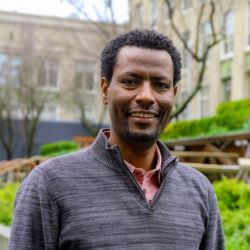
Fikadu Tafesse, Ph.D.
Assistant professor
Department of Molecular Microbiology and Immunology, OHSU School of Medicine
The Tafesse Lab is devising a strategy that will make it possible to develop therapeutics and diagnostics that can be readily tailored to treat emerging diseases. They envision a nanobody discovery technology platform that would allow the researchers to generate effective nanobodies against emerging viral pathogens within weeks, instead of months or years.
Using this nanobody discovery approach, they plan to generate nanobodies against prototype viruses from each emerging viral family — coronaviruses, henipaviruses, flaviviruses and bunyaviruses — with the aim of harnessing those nanobodies as therapeutics to combat these deadly diseases.
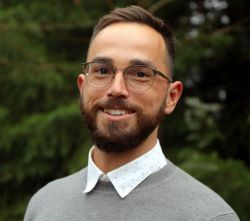
Brandon Wilder, Ph.D.
Assistant professor
Vaccine and Gene Therapy Institute and Division of Pathobiology and Immunology
Oregon National Primate Research Center
Each year there are 220 million cases of malaria and 400,000 malaria-related deaths. The Wilder lab has built an insectary to grow and maintain malaria-infected mosquitos. They have used this to establish nonhuman primate models of malaria and show that they closely mirror human malaria infection and immunology. These dogma-breaking studies open entirely new avenues of malaria vaccine research, but they are infrastructure-intense, costly and require highly trained and dedicated personnel working over long timelines.
Wilder will use the award to undertake a range of activities, from infrastructure to personnel and travel. The lab will renovate and expand their insectary and hire a full-time insectary technician to rear mosquito species that can also support research on dengue, Zika and other emerging vector-borne pathogens.
Award Winners 2021
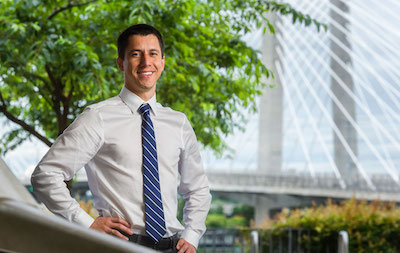
Luiz Eduardo Bertassoni, D.D.S., Ph.D.
Associate Professor of Restorative Dentistry, School of Dentistry
CEDAR Member, OHSU Knight Cancer Institute, School of Medicine
Luiz Bertassoni is a clinician-scientist, biomedical engineer and international pioneer in bioprinting. His research led to the development of the first method to 3D bioprint fully vascularized tissue constructs. He has followed that with the development of the method to mimic the 3D cell-laden calcified bone microenvironment with nanoscale precision.
Bertassoni’s project is to develop an innovative technology that will bioprint human tissues with single-cell resolution. This opens the possibility of being able to print replacement organs for patients who would otherwise be waiting on a list. Additionally, these controllable and reproducible automated processes will be used to develop reproducible models of heterogeneous cancers and the tumor microenvironment. With such precise organ systems, experimental drugs could be accurately tested in a lab, rather than a person.
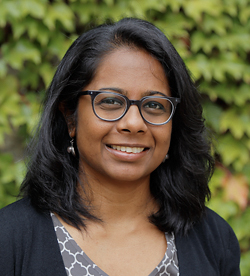
Swetha Murthy, Ph.D.
Assistant Professor, Vollum Institute
Neuroscience Graduate Program, School of Medicine
Molecular neuroscientist Swetha Murthy is uncovering the physiology of mechanotransduction – or the conversion of mechanical force into biological signals. Murthy is specifically focused on mechanically activated ion channels, which are crucial components of the sense of touch, hearing and blood pressure.
Understanding how these ion channels function may unlock answers – and potential treatments – for a wide range of maladies including chronic pain, atherosclerosis, as well as sensitized pain caused by chemotherapy drugs.
The 2021 Faculty Excellence and Innovation Award will support Dr. Murthy’s project, “How do cells sense force and why is it important?”
Award Winners 2020
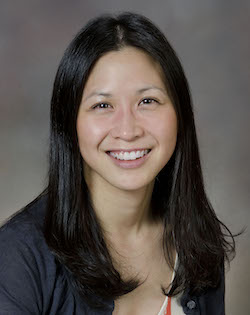
Jamie Lo, M.D., MCR
Assistant professor of obstetrics and gynecology, OHSU School of Medicine
Division of Reproductive & Developmental Sciences, OHSU Oregon National Primate Research Center
Jamie Lo’s research vision is to understand the effects of marijuana exposure during pregnancy — a topic with significant research gaps. Marijuana is commonly used to help with morning sickness during the first trimester, the period that is most critical for the developing fetus.
Lo is developing an innovative nonhuman primate model that overcomes barriers in human research and facilitates understanding of the prenatal and postnatal effects of chronic maternal marijuana use during pregnancy. Lo’s long-term goal is to establish evidence-driven recommendations and frame policy guidelines for marijuana use in pregnant and lactating women.
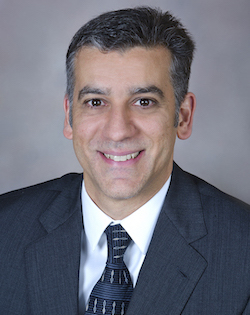
Steven Mansoor, M.D., Ph.D.
Assistant professor, OHSU Knight Cardiovascular Institute, OHSU School of Medicine
Cardiologist Steven Mansoor is leading a research effort using cryo-EM to view the structure of receptors whose activation can trigger blood vessel inflammation and platelet aggregation, leading to coronary artery disease.
Mansoor is investigating purinergic receptors, which play important roles in cardiovascular, neuronal and immune systems. The award will allow him to use single particle cryo-electron microscopy, X-ray crystallography and techniques in electrophysiology to study the structure, function and signaling of these receptors. Understanding the function of these receptors may allow researchers to design treatments that can prevent over-activation of these receptors, decreasing heart attacks and plaque burden.
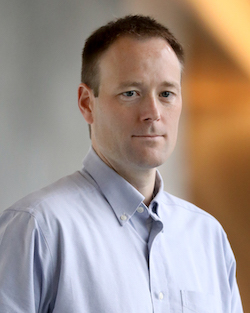
Jeffrey Tyner, Ph.D.
Professor of medicine (cell, developmental, and cancer biology), OHSU School of Medicine, OHSU Knight Cancer Institute
The goal of Jeffrey Tyner’s research program is to improve therapies for patients with leukemia and other blood cancers through a discovery-based platform of functional genomics. Several of his findings have been, and are being, tested in clinical trials, the earliest of which are now complete and likely to lead to regulatory approvals.
The basic premise of this functional genomics platform is to collect as much information as possible from samples of patient cancers — information such as analyses of tumor cell drug sensitivity, signaling, genetics and other cellular processes, as well as data regarding the state of the tumor microenvironment — to mine these expansive patient sample data sets and perform complementary experiments using laboratory models.
Nominees
“These early and mid-career scientists represent some of the most promising investigators at OHSU, nominated for their creativity and vision by their respective leaders.” — Bonnie Nagel, Ph.D., OHSU interim executive vice president and chief research officer.
-
2026
- Atheir Abbas
- Anupriya Agarwal
- Jonathon Baker
- Ramon Barajas
- Nicole Bowles
- Amanda Bruegl
- Manideep Chavali
- Albert Chi
- Daniel Cleary
- Quin Denfeld
- Alexander Dufford
- Meghna Gupta
- Nathalie Huguet
- Erin Kenzie
- Rajan Kulkarni
- Martina Mancini
- Trevor McGill
- Andrew McHill
- Kelly Monk
- Amy Moran
- Joshua Moreau
- Ana Paula Piovezan Fugolin
- Jonathan Pruneda
- Ashleigh Schaffer
- Molly Thomas
- Reid Thompson
- Emily Voigt
- Chi Zhang
- Jane Zhu
-
2025
- Jonathon Baker, Ph.D.
- Benjamin Burwitz, Ph.D.
- Alexander Dufford, Ph.D.
- James Frank, Ph.D.
- Stephanie Momeni, Ph.D., M.B.A., P.M.P.
- Brian O'Roak, Ph.D.
- Alex Ortega Loayza, M.D., M.C.R.
- Duncan Ramsey, M.D., M.S.
- Travis Redd, M.D., M.P.H.
- Andrei Sdrulla, M.D., Ph.D.
- Christopher Slatore, M.D., M.S.
- Molly Thomas, M.D., Ph.D.
- Saurabh S. Thosar, Ph.D., M.S., OTR/L
- Vivek K. Unni, M.D., Ph.D.
- David Wagner, Ph.D.
-
- Ramon Barajas, M.D.
- Ted Braun, M.D., Ph.D.
- Lucia Carbone, Ph.D.
- Verginia Cuzon Carlson, Ph.D.
- Matthew Drake, M.D.
- Robert Eil, M.D.
- Angela Garinis, Ph.D., CCC-A
- Leo Han, M.D., M.P.H.
- Nathalie Huguet, Ph.D.
- Hyunjee Kim, Ph.D.
- Rajan Kulkarni, M.D., Ph.D.
- Ellen Langer, Ph.D.
- William Messer, M.D., Ph.D.
- Angela Ozburn, Ph.D.
- Bret Pearson, Ph.D.
- Jonathan Pruneda, Ph.D.
- Domenico Tupone, Ph.D.
-
- Sandy Christiansen, M.D.
- Quin Denfeld, Ph.D., R.N.
- Aaron Grossberg, M.D., Ph.D.
- Peter Jacobs, Ph.D.
- Todd Korthius, M.P.H.
- Miguel Marino, Ph.D.
- Brian O'Roak, Ph.D.
- Alex Ortega Loayza, M.D.
- Angela Ozburn, Ph.D.
- Ana Paula Piovezan Fugolin, D.D.S., M.S., Ph.D.
- Carmen Pfeifer, D.D.S., Ph.D.
- Robert Eil, M.D.
- Elinor Sullivan, Ph.D.
- Cydni Williams, M.D.
-
- Atheir Abbas, M.D., Ph.D.
- Andrew Adey, Ph.D.*
- Ramon Barajas, M.D.
- Kathleen Carlson, Ph.D.*
- Melinda Davis, Ph.D.
- Geolani Dy, M.D.
- Rochelle Fu, Ph.D.
- Aaron Grossberg, M.D., Ph.D.
- Leo Han, M.D., Ph.D.
- Matt Hansen, M.D.
- Yifan Jian, Ph.D.
- Sonnet Jonker, Ph.D.
- Rajan Kulkarni, M.D., Ph.D.
- Andrew McHill, Ph.D.
- Kelly Monk, Ph.D.
- Carmem Pfeifer, D.D.S., Ph.D.
- Ferdinando Pucci, Ph.D.
- Emily Quinn, Ph.D.
- Ana Quiñones, Ph.D.
- Katie Schenning, M.D., M.P.H.
- Elinor Sullivan, Ph.D.
- Fikadu Tafesse, Ph.D.*
- Ruchi Thanawala, M.S., M.D.
- Elie Traer, M.D., Ph.D.
- Domenico Tupone, Ph.D.
- Vivek Unni, Ph.D.
- Caren Weinhouse
- Brandon Wilder, Ph.D.*
-
- Anupriya Agarwal, Ph.D.
- Nicole Andeen M.D.
- Luiz Eduardo Bertassoni D.D.S., Ph.D.
- Rita P Cervera Juanes Ph.D.
- Esther K Choo M.D., M.P.H.
- Michael Cohen, Ph.D.
- Kelly L. Collins M.D.
- Vincent Costa Ph.D.
- Jae M. Downing Ph.D.
- Melanie B. Gillingham Ph.D., R.D., L.D.
- Alexander Guimaraes M.D., Ph.D., FACR
- Laura M. Heiser Ph.D.
- Terri Hough, M.D., M.Sc.
- Yali Jia Ph.D.
- Lisa Karstens, Ph.D.
- Milky Kohno, Ph.D.
- Rajan Kulkarni Ph.D., M.D.
- Miranda M. Lim M.D., Ph.D.
- Swetha Murthy Ph.D.
- Afam Okoye, Ph.D.
- Seth E O’Neal, M.D., Ph.D.
- Carmem S Pfeifer D.D.S, Ph.D.
- Jonathan Pruneda, Ph.D.
- Ana R. Quiñones Ph.D.
- Andrei Sdrulla M.D., Ph.D.
- Amy Valent D.O.
- Caren Weinhouse Ph.D.
- Cydni Williams M.D.
-
- Ramon Barajas M.D.
- Luiz Eduardo Bertassoni D.D.S., Ph.D.
- Benjamin Burwitz, Ph.D.
- Michael Cohen, Ph.D.
- Vincent Costa Ph.D.
- Raina Croff Ph.D.
- Monika Davare Ph.D.
- Summer L. Gibbs Ph.D.
- Matt Hansen M.D., MCR
- Skyler Jackman Ph.D.
- Sarah L. Karalunas Ph.D.
- Lisa Karstens, Ph.D.
- Jamie Lo, M.D.*
- Steven E. Mansoor M.D., Ph.D.*
- Skye C. Mayo M.D., M.P.H., FACS
- Jodi L. McBride Ph.D.
- James McCormick Ph.D., FAHA
- Trevor J. McGill Ph.D.
- Andrew McHill Ph.D.
- Amy Moran, Ph.D.
- Brian O’Roak Ph.D.
- Jonathan Pruneda, Ph.D.
- Katie Schenning M.D., M.P.H
- Ellen Tilden Ph.D., CNM
- Jeffrey W. Tyner Ph.D.*
- Elizabeth Needham Waddell Ph.D.