Welcome to the Vollum Institute/OHSU Neuroscience Graduate Program
Founded in 1992, the Neuroscience Graduate Program (NGP) at OHSU has 53 predoctoral students and more than 140 faculty in a broad range of subdisciplines. The program is intended for students planning a career in academic or industry research, but we encourage student to explore the career path that matches their ambitions and expertise. The program is particularly strong in cellular neuroscience, neuronal signaling, gene regulation, biophysics of channels and transporters, sensory systems, and neuroendocrinology with increasing strength in developmental neuroscience and disease-oriented neuroscience research. Faculty members are located within research institutes at OHSU including the Vollum Institute, the Oregon National Primate Research Center (ONPRC), Oregon Hearing Research Center, Jungers Center and the Oregon Institute for Occupational Health Sciences; as well as the basic and clinical departments in the OHSU School of Medicine.
Student–led organizations
Society for the Advancement of Chicanos/Hispanics and Native Americans in STEM (SACNAS)
The Society for the Advancement of Chicanos/Hispanics and Native Americans in STEM (SACNAS) at OHSU is dedicated to making STEM careers more accessible to underrepresented students. Our SACNAS chapter is tied to a nationwide SACNAS organization that provides community and professional development opportunities to underrepresented students in scientific research at OHSU.
The Alliance for Visible Diversity
Working to increase visible diversity within graduate programs at OHSU
Faculty News
Saunders lab awarded a 2 year grant from the CURE SYNGAP1 foundation
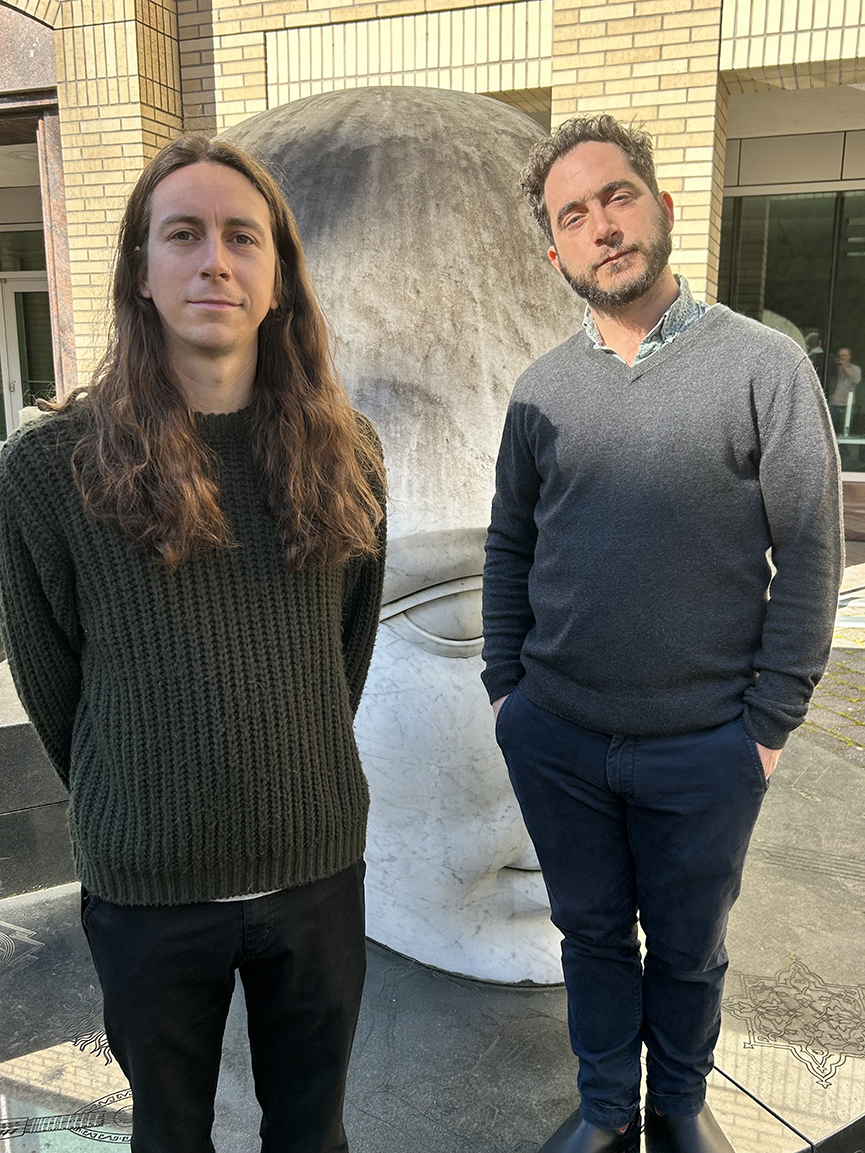
Arpy Saunders, Ph.D. and Austin Schubert, a graduate student and Ph.D. candidate in the NGP, were awarded a 2 year grant from the CURE SYNGAP1 foundation to support Austin’s research project. The grant title, “Brain-wide Discovery of When, Where, and How: SYNGAP1 Haploinsufficiency Alters Neurodevelopment through Single Cell RNA Profiling,” is based on Austin's recent poster of the same name.
Steven E. Mansoor, M.D., Ph.D. receives Richard T. Jones Distinguished Alumni Scientist Award
“Steve has established an internationally recognized research program and has become a gifted, devoted mentor. He continues to lead structural biology at OHSU, in addition to devoting substantial time in the clinic.”
— Eric Gouaux, Ph.D.
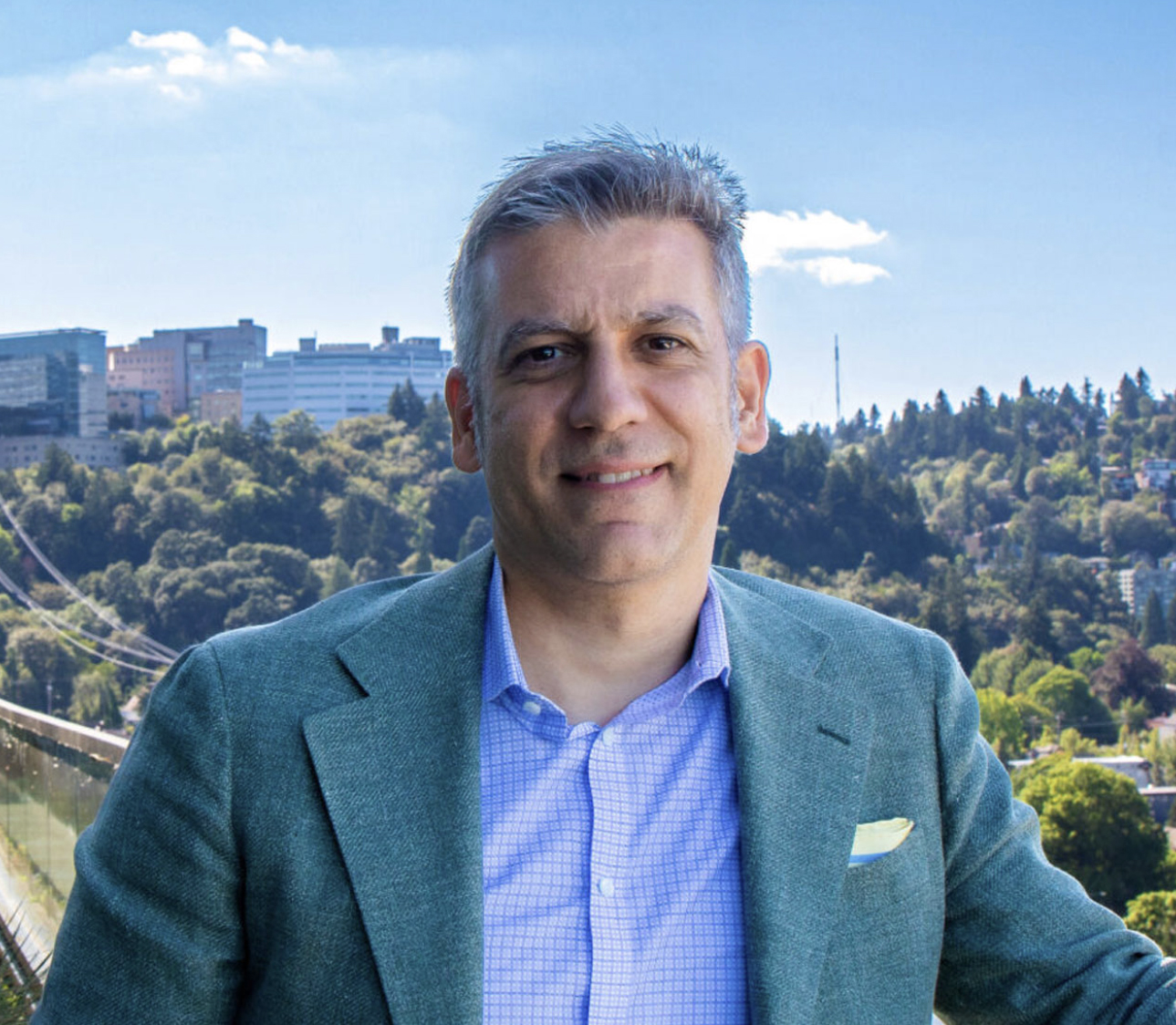
Steven E. Mansoor, M.D. ’09, Ph.D. ’09, R ’11, F ’17, is a structural biologist and cardiologist at the OHSU Knight Cardiovascular Institute whose work has established him as one of the most innovative physician-scientists of his generation.
Read the full article
Mansoor Lab
Developing targeted therapies to treat pediatric brain injury
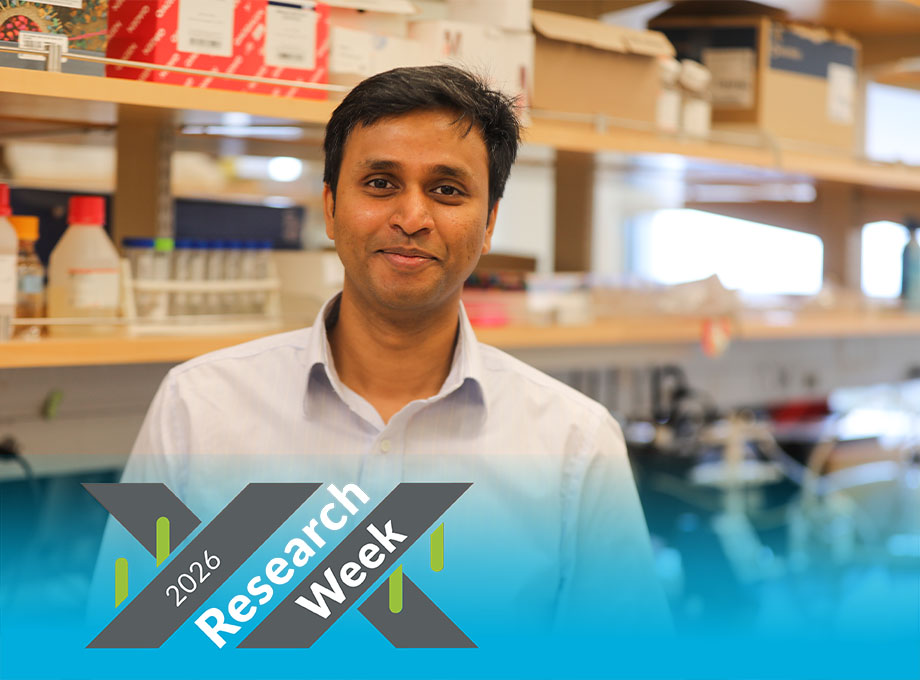
What if the origins of chronic childhood diseases — and targeted therapies to treat them — could be uncovered through a deeper understanding of cells and their pathways within the body?
That’s what Manideep Chavali, Ph.D., hopes to discover through his research at Oregon Health & Science University.
Structural biologist sharpens focus on the tiniest units of life
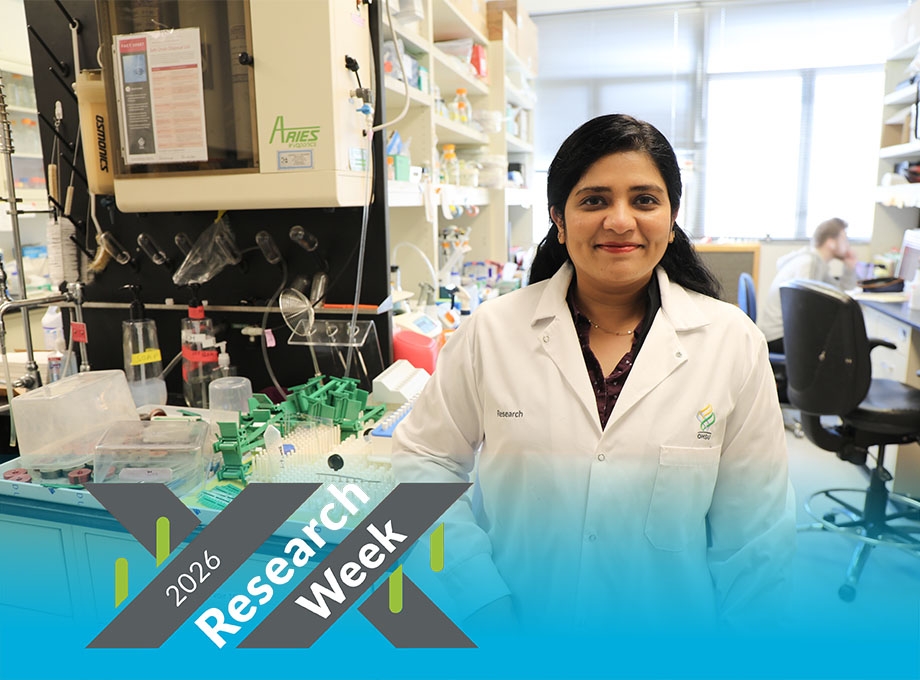
Meghna Gupta, Ph.D., is fascinated by the smallest units of life.
“There is a universe within each cell,” she said. “We’re still discovering new proteins, and new pathways.”
A biochemist and structural biologist by training, Gupta is an assistant professor of chemical physiology and biochemistry in the OHSU School of Medicine who studies subcellular structures known as peroxisomes.
Dr Marc Freeman elected to the American Academy of Arts and Sciences
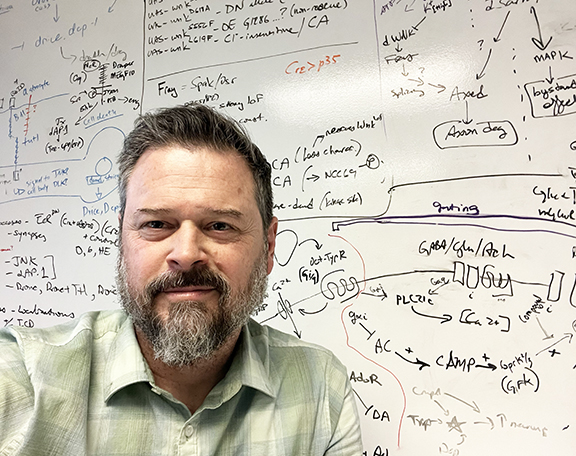
Marc Freeman, Ph.D., director and senior scientist of the OHSU Vollum Institute, has been elected to the American Academy of Arts and Sciences. The Academy, whose members include Albert Einstein, Martin Luther King, Jr., and Maria Mitchell, is both an honorary society that recognizes and celebrates the excellence of its members and an independent research center convening leaders from across disciplines, professions and perspectives to address significant challenges. Freeman is one of more than 250 members who will be inducted in a ceremony in October 2026.
Research links tinnitus with serotonin
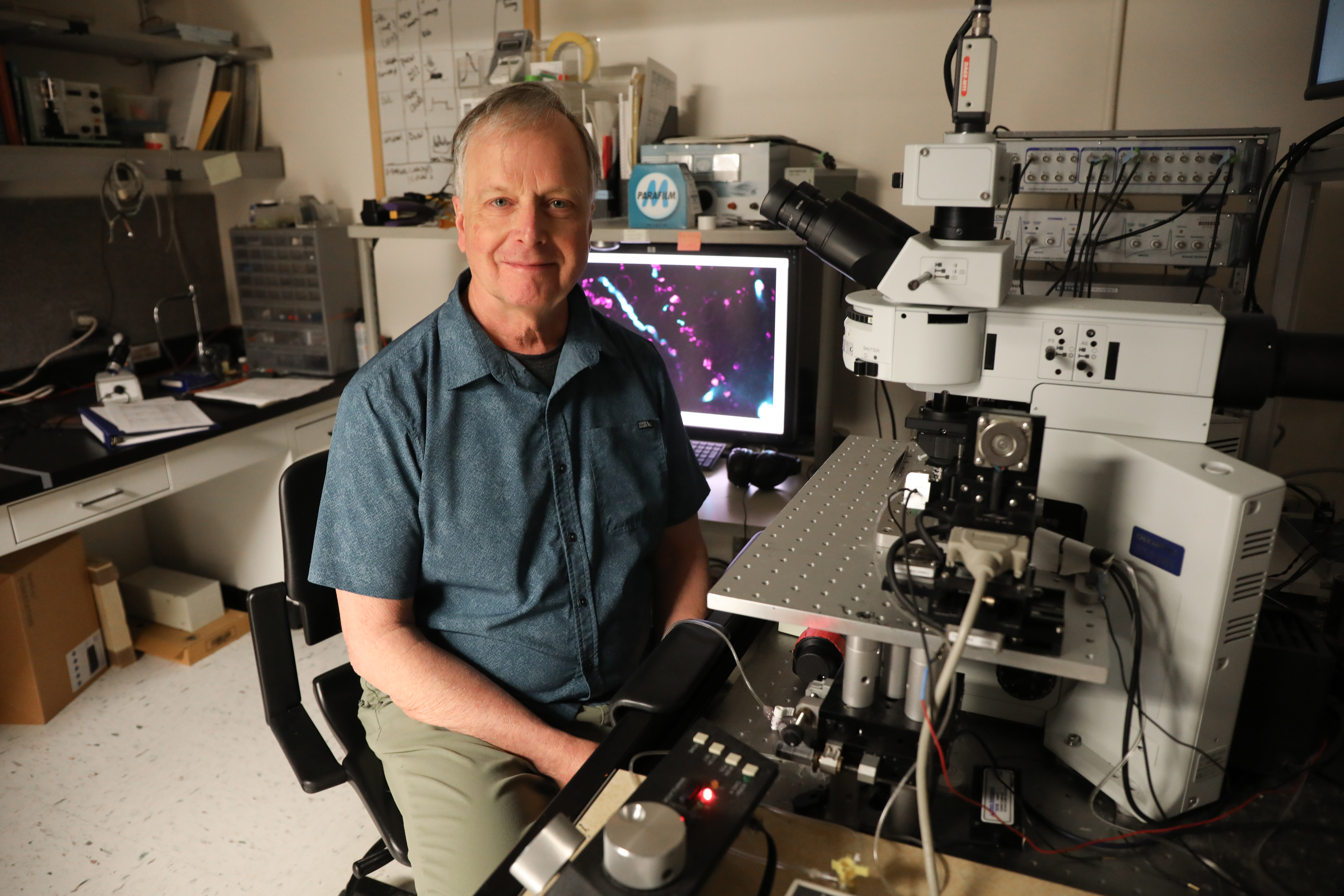
The findings should be especially meaningful for millions of people around the world who suffer from tinnitus, said co-senior author Laurence Trussell, Ph.D., professor of otolaryngology in the OHSU School of Medicine and a scientist in the OHSU Vollum Institute and Oregon Hearing Research Center.
Read the full article
Listen or read OPB Interview
Trussell Lab
Student News
Taylor Krilanovich publishes thesis paper
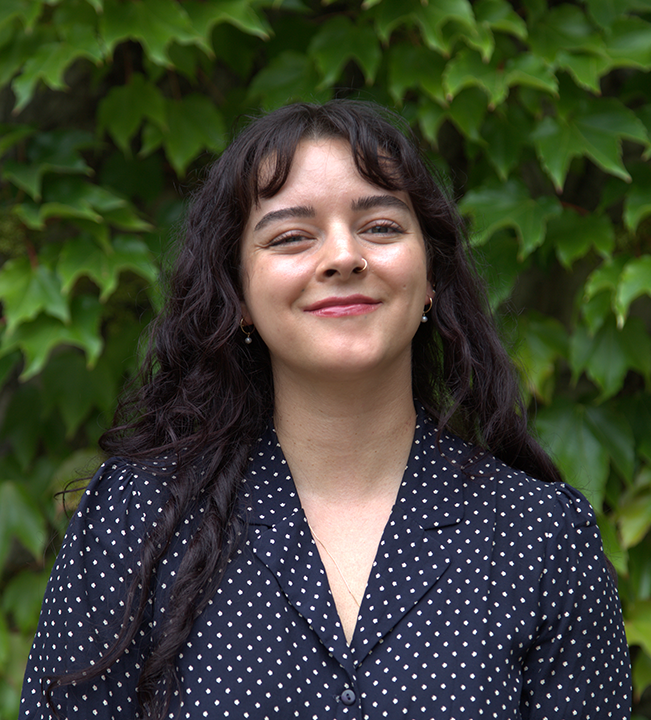
Taylor Krilanovich’s thesis paper, titled “Transcriptomic analyses link changes in gene expression to defects in pigment cell differentiation and eye morphogenesis in a zebrafish model for Oculocutaneous Albinism Type 2”, has been accepted into Developmental Biology. Taylor, is 3rd year NGP student in the Hill lab is credited as first author.
Kylie Foutch receives an honorable mention for the NSF GRFP fellowship
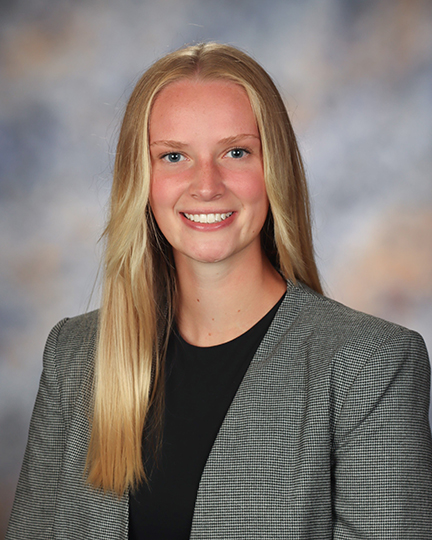
Kylie Foutch, a 1st year NGP student and soon to join the Freeman Lab, received a NSF GRFP fellowship honorable mention for her proposal titled: "Metabolic insight to the role of Axed in an axon preservation model”. An NSF GRFP Honorable Mention is a prestigious recognition bestowed upon highly rated applicants who did not receive the full fellowship, signaling exceptional research potential. While it provides no direct financial stipend, it serves as a significant, national-level accolade for a CV and indicates high competitiveness.
Elias Wisdom receives the Alzheimer's Association’s "One to Watch" award
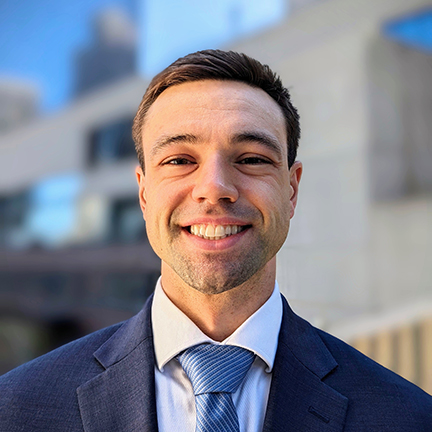
Congratulations to Elias Wisdom, a 5th year M.D./Ph.D. student (3rd year Ph.D.) neuroscience graduate program student, who received the Alzheimer's Association’s "One to Watch" award at the 2026 Neuroscience Next conference in February.
Austin Schubert wins for poster at Cure SYNGAP1 conference
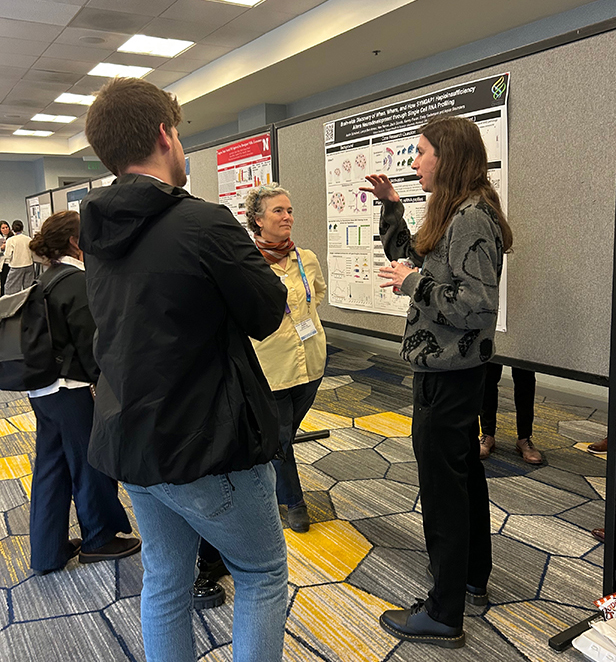
Congratulations to Austin Schubert, an NGP student and member of the Saunders lab, for his recent win at the Cure SYNGAP1 conference in Atlanta. Austin won “Most Innovative Approach” for his poster titled “Brain–wide discovery of when, where, and how SYNGAP1 haploinsufficiency alters neurodevelopment through single cell RNA profiling.”
Tony Muñoz Awarded 2025 Gilliam Fellowship for neuroscience excellence
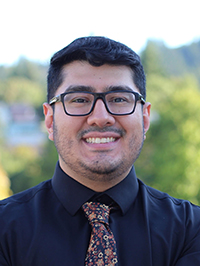
Tony Muñoz, a graduate student and Ph.D. candidate in Oregon Health & Science University’s Neuroscience Graduate Program, has been awarded the Howard Hughes Medical Institute’s 2025 Gilliam Fellows Program grant. He is also an active member of the Society for the Advancement of Chicanos/Hispanics and Native Americans in STEM at OHSU, which aims to promote inclusivity and community within the institution. Muñoz conducts research in the lab of Swetha Murthy, Ph.D., an assistant scientist in the Vollum Institute who specializes in mechanotransduction and ion channels.
Two graduate students named 2025 Lacroute Fellows
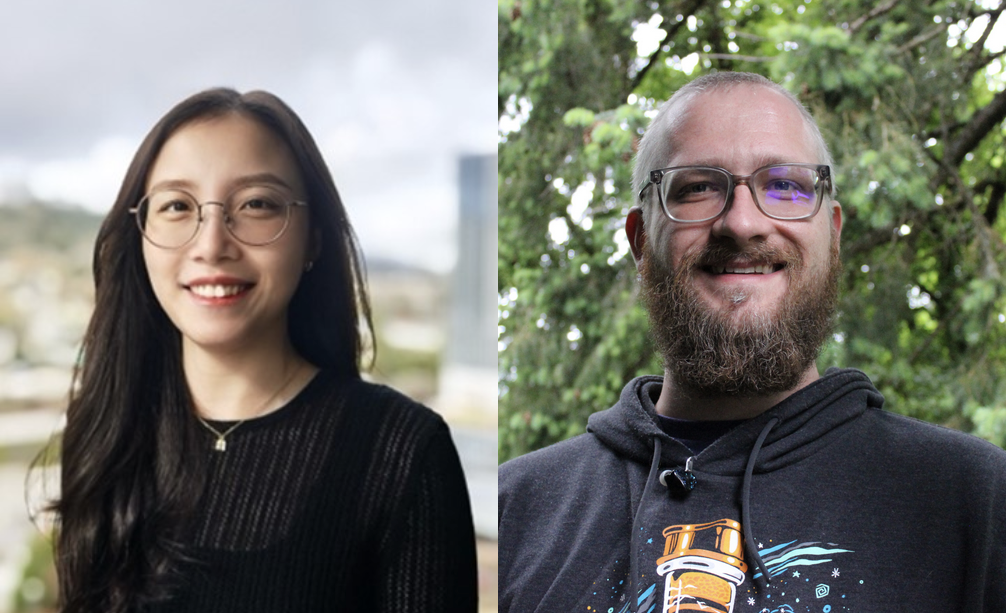
Two predoctoral students in the Neuroscience Graduate Program at OHSU were recently awarded the 2025 Lacroute Fellowship. This fellowship is made possible through the philanthropic support of a generous donor. The Lacroute Fellows Program supports exceptional graduate students conducting innovative research in the Vollum Institute/OHSU Neuroscience Graduate Program.
Congratulations to the 2025 fellows: Hoa Trinh (Freeman Lab) & Jed Syrenne (Murthy Lab and Reichow Lab)
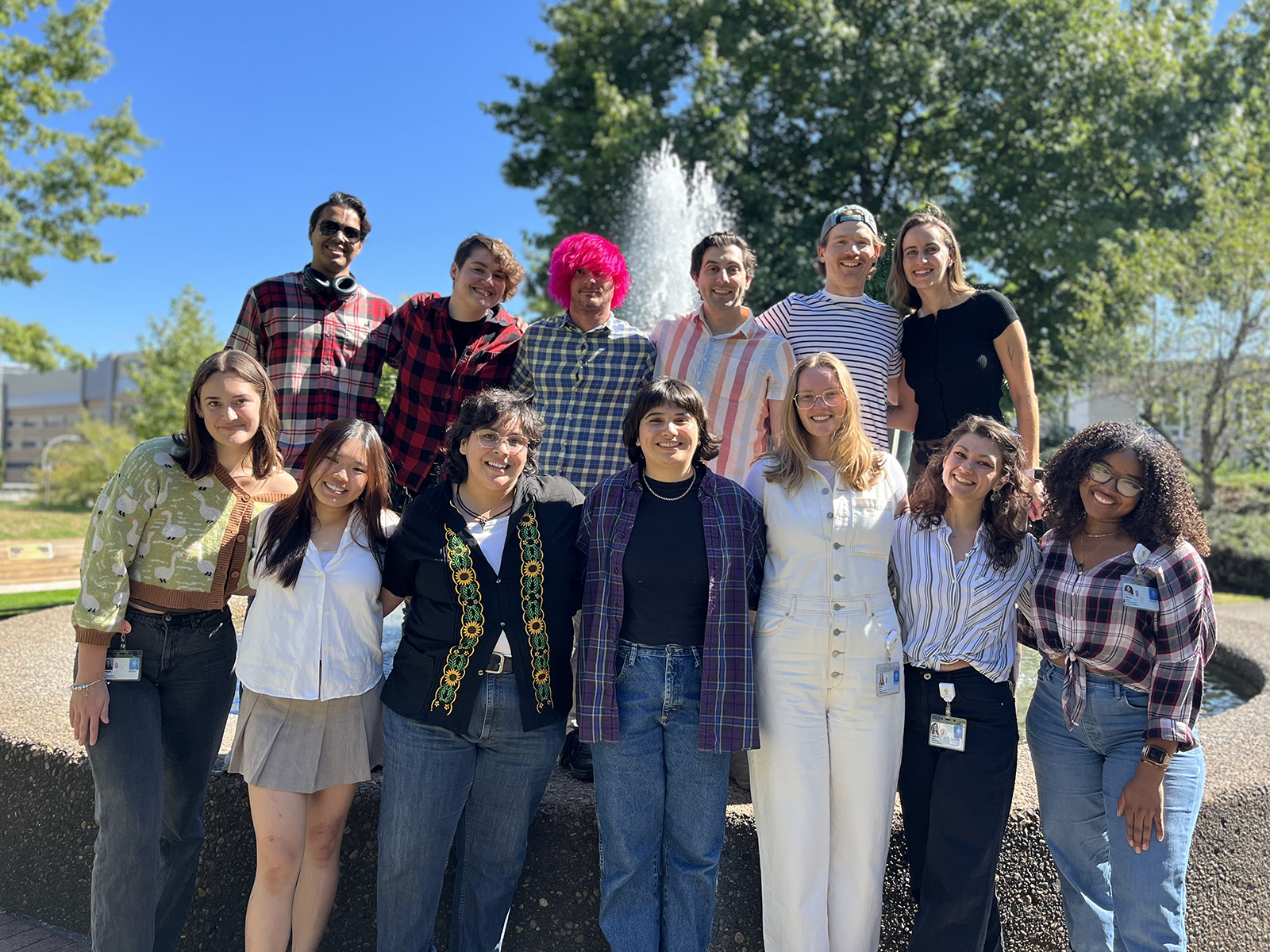
2025 Incoming NGP students
-
- Landon Bayless-Edwards, Mao Lab
NIDA NRSA F30: "Intracellular signaling mechanisms underlying opioid modulation of pain." - Shannon Hu, Reichow Lab
F31 NRSA Fellowship: "Structural and Functional Roles of Membrane Lipids in the pH gating of Connexin-46/50 Channels." - Madison Hupp, Freeman Lab
NINDS F31: "Neuronal and glial mechanisms regulating Pair1 local pruning." - Arielle Isakharov, Wright Lab
NEI F31 Predoctoral Fellowship: "Genetic analysis of the Robo3+ glycinergic amacrine cell." - Jennifer Jenks, Emery Lab
NINDS F31: "Cellular and circuit effects of genetic ablation of adult-born oligodendrocytes." - Chloé Le Moing, Jackman Lab
NINDS F31: "Examining the role of synaptic facilitation in cortical network function and behavioral flexibility." - Chloé Le Moing, Jackman Lab
2025 Invent Oregon Collegiate Challenge winner - Tony Muñoz, Murthy Lab
HHMI Gilliam Fellow: "Investigating Mechanosensors Involved in Swallowing Physiology." - Zach Papich, Butler Lab
F31 NRSA Fellowship: "Food and Light Cue Entrainment of the Ovulation Stimulating HPG Axis." - Melanie Piller, Monk Lab
NINDS F31: "The role of P/Q-type channels in oligodendrocyte lineage cell development." - Yessica Santana Agreda, Wright Lab
HHMI Gilliam Fellow: "Transcriptional Control of Starburst Amacrine Cell Specification and Maturation." - Erin Santos, Freeman Lab
HHMI Gilliam Fellow: "CamKII-Dependent Mechanisms of Astrocyte Ca2+ Signaling." - Frederika Sullivan, Wright Lab
National Science Foundation, Graduate Research Fellowship - Jed Syrenne, Murthy Lab and Reichow Lab
2025 Lacroute Fellow - Hoa Trinh, Freeman Lab
2025 Lacroute Fellow
- Landon Bayless-Edwards, Mao Lab