Davare Rare Cancers Lab
Finding new treatments for rare, aggressive cancers
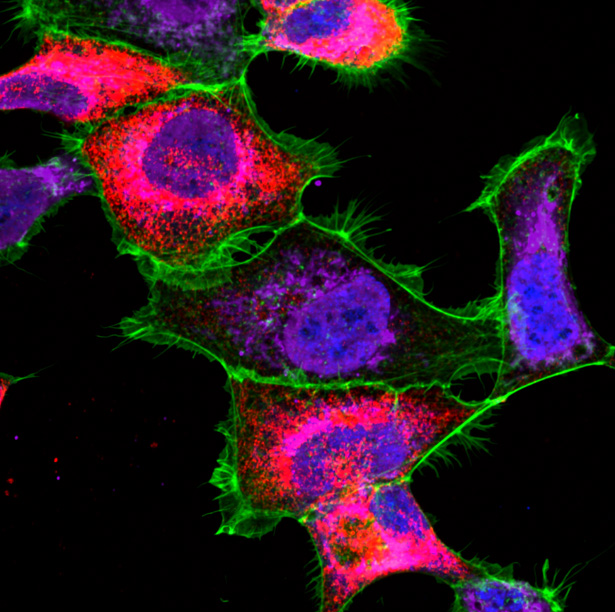
At OHSU’s Davare Lab, we study how genetic changes drive cancer to develop more effective, targeted treatments. Our work aims to expand both the understanding of cancer biology and the range of treatment options.
We focus on rare and aggressive cancers in children and adults, especially cancers that don’t respond well to current therapies. These include pediatric high-grade glioma, adult glioblastoma, sarcomas, and lung cancer in young people who have never smoked.
The lab works to uncover how somatic mutations, gene fusions and disrupted signaling pathways help tumors start, grow and resist treatment. Cancers driven by oncogenic kinases, especially alterations in ROS1, NTRK, ALK and PDGFRA genes, are our main focus. We also investigate less-understood cell-intrinsic pathways that affect how cancers behave and respond to therapy.
On this page you can:
The Davare Lab is led by principal investigator Monika Davare, Ph.D. We’re proud to:
- Be part of the Papé Family Pediatric Research Institute
- Be a member of the OHSU Knight Cancer Institute
- Take part in OHSU’s Graduate Program in Molecular and Cellular Biosciences
Research approach
Our research connects fundamental cancer biology with translational oncology. To understand how genetic changes reshape cancer signaling, we integrate:
- Mechanistic and biochemical studies to define how proteins function and are regulated
- Structure–function analysis to understand how protein changes affect activity
- Proteogenomic profiling to link genetic changes to protein behavior
- Pharmacologic screening to identify effective therapies
We use patient-derived tumor models to study cancer in systems that reflect real biological conditions. A key focus is interpreting variants of uncertain significance (VUS) — genetic alterations with unclear effects — by defining how they affect tumor biology and drug response.
We work to turn lab discoveries into treatments in collaboration with clinical and industry partners. This supports:
- Preclinical therapeutic testing
- Identification of resistance mechanisms
- Development of personalized treatment strategies
Our impact
The Davare Lab has:
- In collaboration with OHSU teams, contributed to preclinical development of kinase inhibitors advancing to clinical trials for ROS1-positive cancers
- Identified new mechanisms that regulate ROS1 signaling
- Discovered ROS1 mutations that drive drug resistance
- Created patient-derived tumor models of glioblastoma and sarcoma to test drug responses
- Characterized drug sensitivity in rare subtypes of childhood sarcoma and brain tumors.
Research projects
Studying how ROS1 gene mutations drive drug resistance
We study how ROS1 gene mutations change the protein’s shape and function. These changes can cause drug resistance or other harmful effects. Our research focuses on glioblastoma, lung adenocarcinoma in never-smokers, and children’s high-grade gliomas. We analyze ROS1 activity through lab tests, computer models and patient-derived tumor models. Close collaboration with medical oncologists ensures that our research is relevant to human disease and could be part of clinical care in the future.
Improving treatment for aggressive childhood brain tumors
We study how kinase fusions trigger and sustain aggressive childhood brain tumors. Our focus includes diffuse midline glioma and other high-grade tumors. Using structural models of the PDGFRA protein, we test how drugs can block or bind to mutated sites.
Testing new therapies for Ewing sarcoma and osteosarcoma
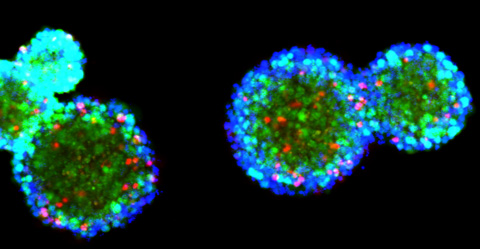
We’re developing new treatments for Ewing sarcoma and osteosarcoma that stem from complex genetic changes and gene fusions. Working with orthopedic surgeons, we collect tumor samples right after surgery. Our lab-grown models approximate how these tumors behave in the body. This helps us test drug responses before clinical use, and may help avoid chemotherapy that won’t work.
Modeling genetic variants to predict treatment resistance
We’re building models to study variants of uncertain significance (VUS) and their role in drug resistance. Using patient data and computer modeling, we analyze how these variants influence cancer growth and response to treatment.
Publications
Find more publications by Monika Davare, Ph.D., in the National Library of Medicine.
Clinical and preclinical insights into a novel MDM2::PDGFRA fusion in recurrent glioblastoma
NPJ Precision Oncology 2025
Beach CZ, Febres-Aldana CA, Marti JLG, Asiry S, Wong T, Boockvar JA, D'Amico RS, Somwar R, Davare MA, Vojnic M
Ribociclib in Sequential Combination with Doxorubicin in Anthracycline-Naïve Advanced Soft-Tissue Sarcomas: Results of a Dose-Finding Phase Ib Study
Clinical Cancer Research 2025
Davis LE, Zhu L, Latour E, McMahon N, Nishikawa G, Choo F, Nusser KD, Pittsenbarger J, Burch R, Park B, Mills GB, Davis JL, Davare M, Ryan CW
Pan-Cancer Analysis of Oncogenic MET Fusions Reveals Distinct Pathogenomic Subsets with Differential Sensitivity to MET-Targeted Therapy
Cancer Discovery 2025
Febres-Aldana CA, Vojnic M, Odintsov I, Zhang T, Cheng R, Beach CZ, Lu D, Mattar MS, Gazzo AM, Gili L, Harshan M, Ameri A, Machnicki S, Xiao X, Lockwood WW, Zhou XY, Yao Q, Drilon A, Rekhtman N, Shah N, Li A, Liu Z, Yang SR, Davare MA, Ladanyi M, Somwar R
Novel insight into mechanisms of ROS1 catalytic activation via loss of the extracellular domain
Scientific Reports 2024
Jones K, Keddy C, Jenkins C, Nicholson K, Shinde U, Davare MA
TKI type switching overcomes ROS1 L2086F in ROS1 fusion-positive cancers
NPJ Precision Oncology 2024
Thawani R, Repetto M, Keddy C, Nicholson K, Jones K, Nusser K, Beach CZ, Harada G, Drilon A, Davare MA
Discovery of oncogenic ROS1 missense mutations with sensitivity to tyrosine kinase inhibitors
EMBO Molecular Medicine 2023
Iyer SR, Nusser K, Jones K, Shinde P, Keddy C, Beach CZ, Aguero E, Force J, Shinde U, Davare MA
People
The Davare Lab fosters a collaborative, inclusive culture grounded in intellectual rigor, persistence and respect. We value diverse perspectives that strengthen our science and community. Team members’ range of backgrounds and interests, from neuroscience to comedy, reflect our belief that creativity and curiosity drive scientific discovery.
Lab members collaborate across disciplines, attend seminars and conferences, and contribute to publications and presentations. Mentorship tailored to each person supports paths to graduate or medical school, residency, fellowship, teaching, communication or advocacy. We also celebrate milestones and build camaraderie outside the lab.
Partners include Memorial Sloan Kettering Cancer Center and the Children’s Hospital of Philadelphia. Our work is supported by the National Institutes of Health, the American Cancer Society, the Kuni Foundation and others.
-
-
Appointments and titles
- Associate Professor of Pediatrics, Division of Hematology and Oncology, School of Medicine
-
Tiffany Bui, B.S., research assistant II
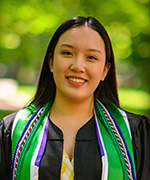
Tiffany Bui received her Bachelor of Science in biology and general science with a chemistry minor at Portland State University in June 2023. As a research assistant at the Davare Lab, she contributes to research on ROS1 and a compound targeting Ewing’s sarcoma. Bui plans to go to graduate school to pursue her passion for cancer biology. Outside the lab, she enjoys listening to podcasts, playing the piano, reading and traveling.
Charles de Leeuw, M.D., M.S., Ph.D., PGY-6 neurology resident
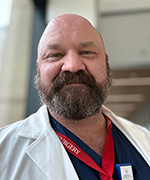
Dr. De Leeuw’s research interests are a combination chemotherapy and functional genomics for identifying novel cancer therapies. Other interests include science fiction and horror movies, traveling, working out at a gym, playing tennis and skiing.
Kristen Jones, B.A., research associate
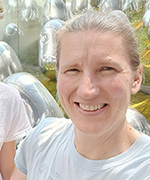
Kristen Jones, the Davare Lab’s manager, received her Bachelor of Arts degree in biology from Concordia University Portland. She spent two years working on calcium calmodulin kinases in Drosophilia melanogaster in the lab of Tom Soderling, Ph.D. From there she joined Sarah Smolik, Ph.D., in looking at CBP/p300 and its regulation of the cell cycle in flies, as well as honing her Photoshop skills. Next she worked in the lab of Michael Forte, Ph.D., until he retired in 2019. She worked extensively with CRISPR/Cas9 to make changes to OSCP and CypD, part of the mitochondrial permeability transition pore. In her spare time, Jones enjoys travel, soccer, domesticated animals, Netflix binges, bike rides, reading and Nerf wars.
Other lab members
- Nolan Gregg, B.S., research assistant II
- Simone Merani, Reed College student assistant
-
Lab alumni
- Megan Brunelle, B.S., graduate student at USC in neuroscience
- Zoe Beach, Ph.D., M.D./Ph.D. candidate-Grad4
- Rajat Thawani, M.D., assistant professor, Division of Hematology/Oncology, School of Medicine, OHSU
- Katelyn Nicholson, B.S., P2 pharmacy student at CU Skaggs School of Pharmacy and Pharmaceutical Sciences
- Clare Keddy, B.S.,Medical Student Training Program student, University of Minnesota
- Florence Choo, M.D., board-certified pediatric oncologist, Rocky Mountain Children’s Hospital, Denver
- Sudarshan Iyer, M.D., Ph.D., residency in internal medicine at NYU Grossman School of Medicine
- Raveena Bhui, B.S., medical student, University of Miami School of Medicine
- Jacob Henderson, M.D., board-certified pediatric oncologist, Mary Bridge Children’s Hospital, Tacoma, Washington
- Chelsea Jenkins, Ph.D., senior research associate, OHSU Knight Cancer Institute
- Nicolle Hofmann, Ph.D., clinical research assistant, OHSU Knight Cancer Institute
- Erin Aguero, M.S., CRCC, clinical research coordinator, University of Minnesota
- Ashley Tam, M.D., resident, anatomic pathology, Stanford Medicine
- Anna Pickering, Ph.D., freelance medical writer
Support our work
Help us develop effective therapeutics for pediatric lung cancer, high-grade glioma and osteosarcoma. Make a gift.