General Surgery Residency Program
Train at eight hospitals across Portland
We are one of the country’s largest general surgery residency programs, offering a uniquely broad experience both within and outside of our academic hospital setting. Our residents come from medical schools across the country and around the world.
Through the residency, you will have the opportunity to:
- Gain valuable experience in the many environments where general surgeons practice today, with rotations at eight Portland hospitals, including our university-based medical center, a Veterans Affairs medical center, children’s hospitals, an HMO and community hospitals
- Study rural surgery in southern Oregon
- Complete a one- or two-year research project in your chosen area
- Prepare for a fellowship or community practice
You will also find a welcoming and supportive learning environment that values and respects different perspectives, cultures and backgrounds. Meet our residents.
Why train with us
We offer multipole rotations that expose you to a variety of healthcare systems in modern medicine. You will study how general surgery practice differs in these systems, preparing you to make informed career choices.
Residency objectives
After finishing the residency, you will be prepared for leadership and success in a rapidly changing healthcare environment.
Many residents opt for specialty fellowships after our residency program. Recent graduates have had fellowships in prominent institutions, including Johns Hopkins, Memorial Sloan Kettering Cancer Center and the Cleveland Clinic.
Residents are also equally well prepared to enter independent general surgery practice if they decide against additional training.
Curriculum and electives
The curriculum includes skills labs for residents at all levels, from instruction in laparoscopic technique to roundtable discussions on medical ethics and professionalism. These labs are in our state-of-the-art surgical simulation center, VirtuOHSU. The center uses:
- Task trainers
- Virtual reality
- Synthetic, animal and cadaveric tissues
The center’s facilities support technical skills training in the following surgical approaches:
- Open
- Laparoscopic
- Endoscopic
- Microscopic
Research
Most general surgery residents decide to do one year of clinical research between their third and fourth years of training. After the Department of Surgery Research Committee reviews and accepts proposals, residents begin their research year on July 1. A second year of research is often possible.
In their research year, residents also take occasional call, participate in OHSU committees and assist with general surgery residency interviews.
Rural surgery training and research
You can experience rural surgery and rural life through our rotation program at Asante Three Rivers Medical Center in Grants Pass, Oregon. Two residents each year spend part or all of their third or fourth year at this high-volume regional hospital, which has a Level 3 trauma center.
The residents work with surgeons on general, vascular, endoscopy, urology, OB/GYN and orthopedics cases. They gain extensive operative experience, often accruing more than 1,000 cases in one year.
Residents continue to participate in educational activities through remote access to lectures.
Rural surgery research project
We offer a research opportunity through this partnership. The project focuses on communication between rural surgeons and tertiary care centers for complex esophageal cancer care. Selected residents will study how to bridge the gap between high-level tertiary cancer care and community surgical care to improve patient outcomes.
Prospective Residents
How to apply
Our residents come from medical schools across the country and around the world.
Applications are accepted only through AAMC's Electronic Residency Application Service (ERAS). No paper applications will be accepted.
Only complete applications submitted through the ERAS system by September 30th will be considered for the following academic year. Please contact your dean's office for further information on the electronic application process.
A complete application consists of the following:
- An ERAS application
- A personal statement
- A dean's letter with a transcript
- Three letters of recommendation (Chair’s Letter may be submitted as a 4th, optionally)
- Completion of USMLE Step 1 exam
- If you have had previous postgraduate training, send letters of recommendation from the program director(s) of your first postgraduate year and any subsequent residency training.
Learn more about how to apply to OHSU residencies and fellowships.
Eligibility and Hiring Policies
Visit our GME page to learn more about policies and information on our application process.
AAMC Supplemental ERAS Application
The AAMC supplemental ERAS application is designed to help applicants share more information about themselves. There is no cost to applicants.
During this year's ERAS cycle, our program will be collecting and reviewing data from applicants' supplemental ERAS applications. This information is designed to assist in finding applicants that fit our program's setting and mission.
The supplemental ERAS application includes:
- geographic preferences (by division and by urban or rural setting)
- information about an applicant's most meaningful experiences and other impactful life events, if applicable
- program signals
Completion of the standard ERAS application is a requirement; completion of the supplemental ERAS application is optional. Learn more about the AAMC supplemental ERAS application.
International Applicants
OHSU accepts international medical graduates, but they must have an Educational Commission for Foreign Medical Graduates (ECFMG) certificate before they will be appointed. All new residents and fellows must be eligible to work in the United States.
If you need basic information about the ECFMG or the NRMP, you may call or write to the offices listed below.
Education Commission for Foreign Medical Graduates
3624 Market Street
Philadelphia, PA 19104-2685
National Residency Matching Program
2450 N Street NW, Suite 201
Washington, DC 20037-1141
Virtual Interview Instruction
The Selection Committee will review applications in the month of October and will determine which applicants will be extended an invitation to interview. Categorical and Preliminary interviews will take place virtually beginning in November and will continue through the end of January.
If you are selected, you will be contacted via the Thalamus platform for scheduling.
For further information, contact us at Surgery Education (surgedu@ohsu.edu).
-
2025
- Cardiothoracic Fellowship, Chicago, IL
- Endocrine Surgery Fellowship, Durham, NC
- General Surgery practice, Grants Pass, OR
- Hand Surgery Fellowship, OHSU, Portland, OR
- Microsurgery Fellowship, Stanford, CA
- Minimally Invasive Surgery Fellowship, Fort Sam Houston, TX
- Minimally Invasive Surgery Fellowship, San Diego, CA
- Pediatric Surgery Fellowship, Ottawa, Ontario
- Surgical Critical Care Fellowship, Harbor, CA
2024
- Abdominal Transplant Surgery Fellowship, University of Pennsylvania
- Breast Surgical Oncology Fellowship, University of Pennsylvania
- Colorectal Surgery Fellowship, UT Houston
- General surgery practice
- General surgery practice, Ft. Cavazos, Texas
- General surgery practice, Montana
- Minimally Invasive Surgery Fellowship, Allegheny Health, Pittsburgh
- Minimally Invasive Surgery Fellowship, Atlanta, Georgia
- Minimally Invasive Surgery Fellowship, Dartmouth-Hitchcock Medical Center
- Plastic & Reconstructive Surgery Fellowship, University of Colorado
- Surgical Critical Care Fellowship, OHSU
- Surgical Oncology Fellowship, Cedars-Sinai Medical Center
- Vascular Surgery Fellowship, OHSU
Residency program leaders
-
-
Appointments and titles
- Professor of Surgery, Division of Bariatric Surgery, School of Medicine
-
-
-
Appointments and titles
- Associate Professor of Surgery, Division of Gastrointestinal and General Surgery, School of Medicine
-
-
-
Appointments and titles
- Associate Professor of Surgery, Division of Surgical Oncology, School of Medicine
-
-
-
Appointments and titles
- Associate Professor of Surgery, Division of Pediatric Surgery, School of Medicine
- Associate Professor of Obstetrics and Gynecology, School of Medicine
-
-
-
Appointments and titles
- Assistant Professor of Surgery, Division of Surgical Oncology, School of Medicine
-
-
-
Appointments and titles
- Professor of Surgery, Division of Trauma, Critical Care and Acute Care Surgery, School of Medicine
-
-
-
Appointments and titles
- Assistant Professor of Surgery, Division of Bariatric Surgery, School of Medicine
-
John Stowers, D.O., FACOS, FACS, Associate Program Director, Simulation Education and Robotics; PGY-1 Advisor/Ombudsman
Apply now
Apply through ERAS.
Questions?
Email us at surgedu@ohsu.edu.
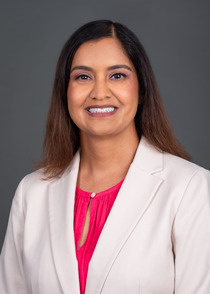
“To understand what their lives in surgical practice will be like, residents need to experience different types of healthcare systems. Our residents have the chance to practice in many settings and learn from them.”
Continuing medical education
Find grand rounds and more.
Graduate medical education
Find tools and resources for graduate medical students.