Welcome

The overarching mission of the OHSU Department of Cell, Developmental & Cancer Biology is to advance the understanding of problems relevant to human health and disease. To accomplish this mission, research groups in the department have historically focused on questions regarding cell structure, organelles, life cycle, differentiation, and regulated communication between cells and extracellular signals and cues. An ultimate application of knowledge gained from these studies has been to understand important cell physiologic processes that effect human biology. These issues directly link to problems of interest to developmental biologists, including molecular and cellular mechanisms regulating tissue morphogenesis, tissue polarity and patterning. Read full welcome message here.
Featured stories and photos
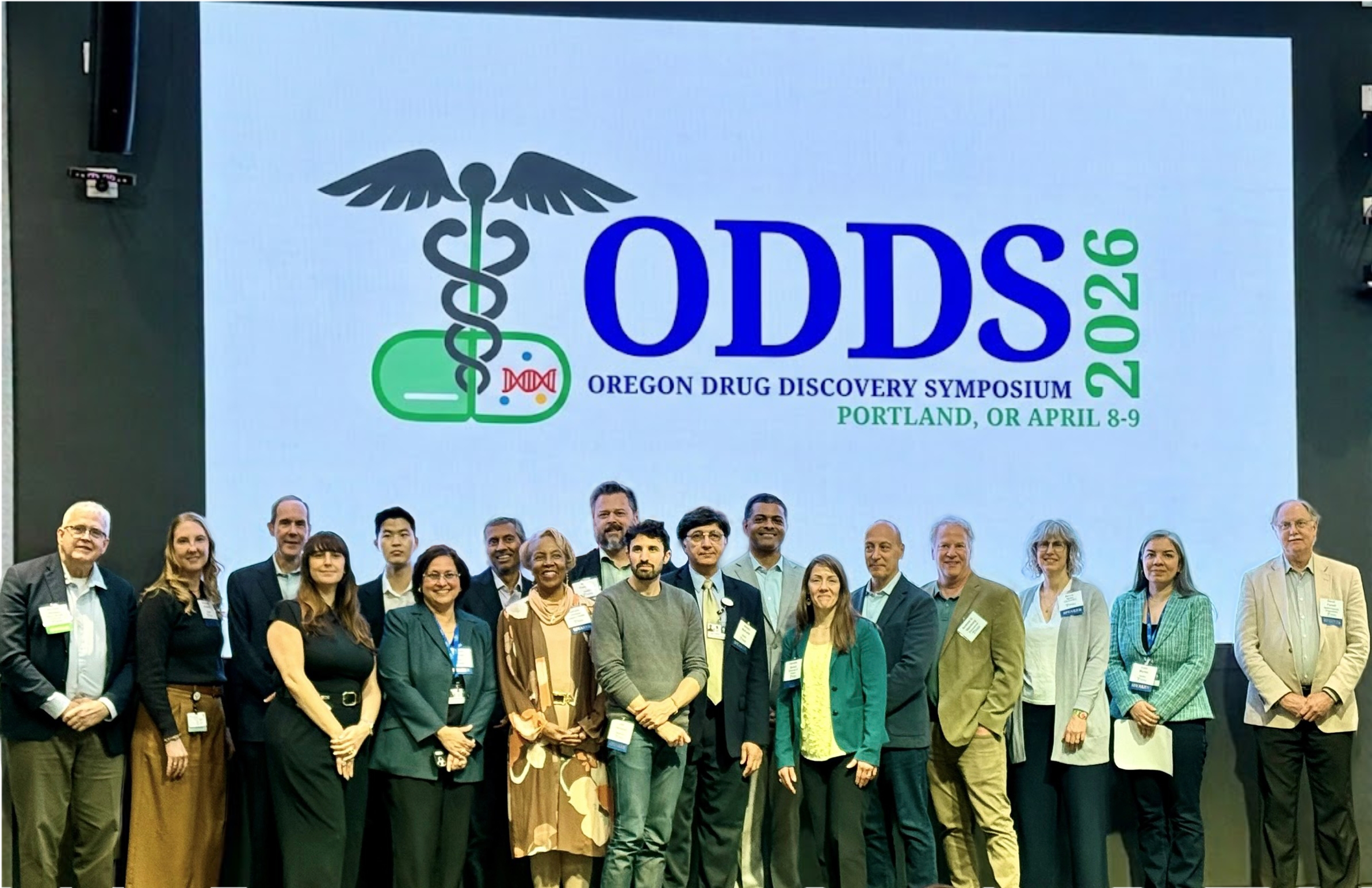
The Center for Experimental Therapeutics (CET) organized the second annual Oregon Drug Discovery Symposium on April 8-9, 2026. Governor Tina Kotek and OHSU President Dr. Elnahal gave the opening remarks of this two-day conference that was attended by over 450 people.
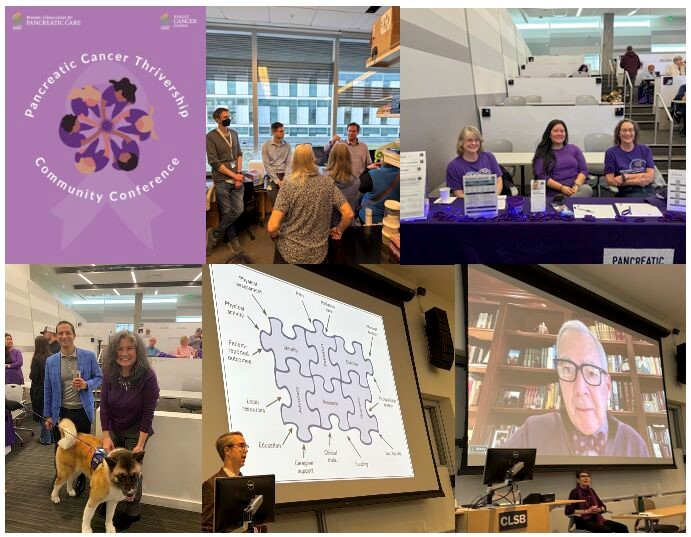
Aaron Grossberg, Teresa Zimmers, and Liem Quang Le-Lau hosted a Brenden-Colson Center for Pancreatic Care Pancreatic Cancer Thrivership Community Conference on November 8 with speakers and presenters from the OHSU Knight Cancer Institute, including Brittany Counts and Sara Ota of CDCB, and Pancreatic Cancer Action Network's Portland Affiliate. We hosted 45 family members, caregivers, and survivors for lectures, lunch, lab tours, and an interactive panel. It was wonderful to be in community with people facing this tough disease, particularly when Pancreatic Cancer Awareness month shines a light on the people, families, and caregivers affected.
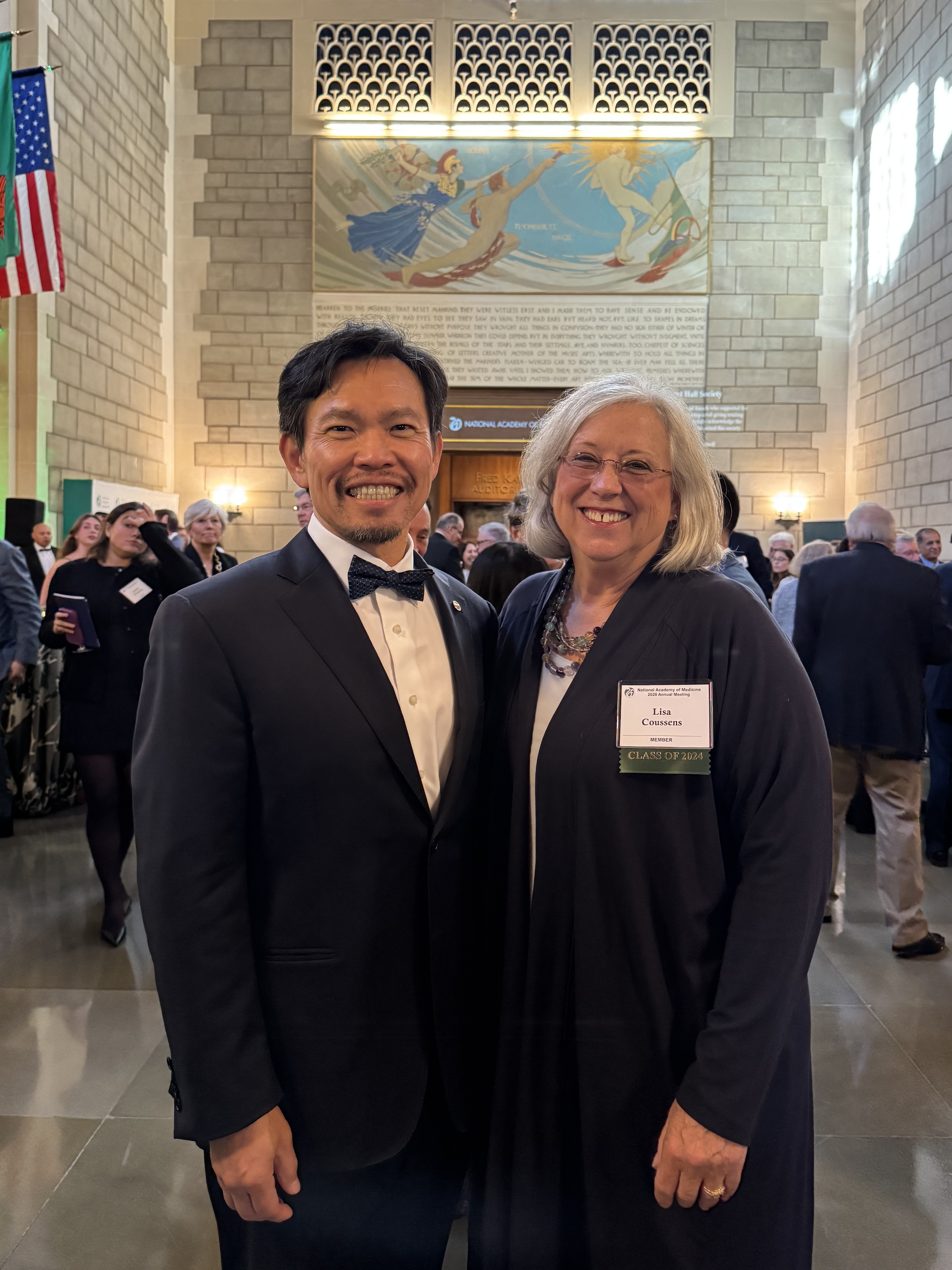
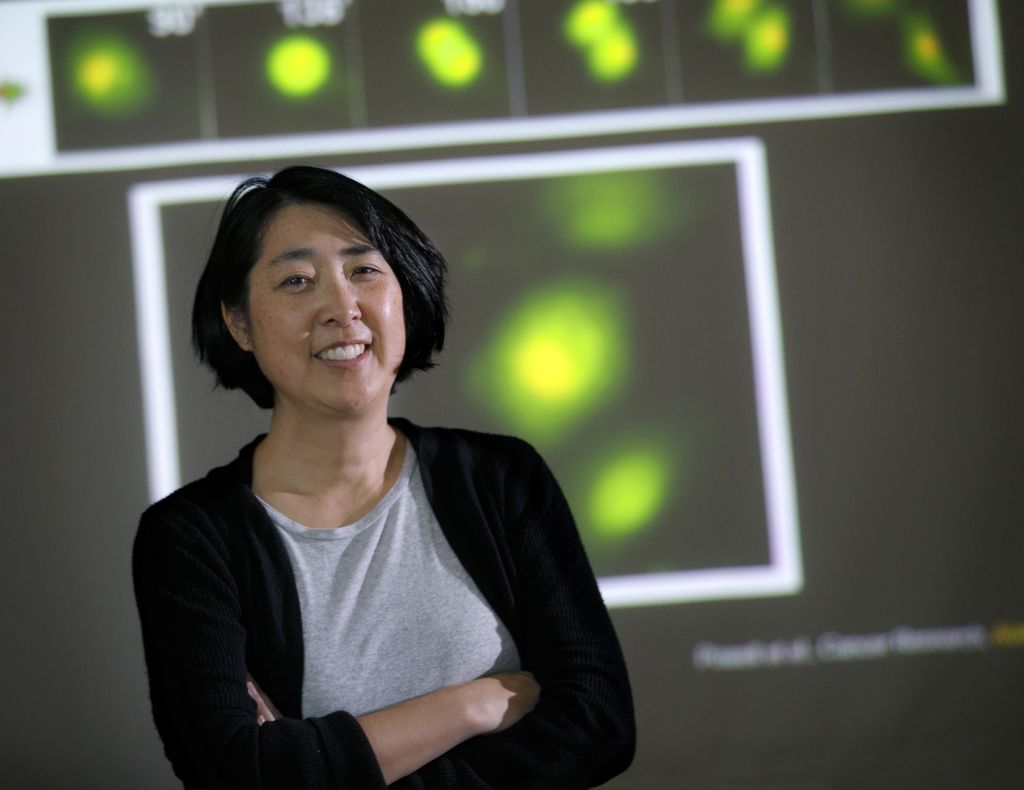
Dr. Missy Wong has been appointment as the Knight Cancer Institute's associate director of basic science. She steps into this role formerly held by Dr. Lisa Coussens who was named a co-deputy director in the KCI. After conducting a national search for this position, the search committee selected Dr. Wong from a strong slate of internal and external candidates. Missy has been at OHSU and a member of the Knight Cancer Institute for over 20 years. She currently serves as vice chair for the Department of Cell, Developmental and Cancer Biology in the OHSU School of Medicine, and has served as co-leader of the Cancer Biology Program for three competitive renewals of the KCI P30 grant from the National Cancer Institute, with three different co-leaders. Missy’s accomplishments as a scientist are well-recognized, particularly her laboratory’s research on the physiologic impact of cell fusion hybrids between circulating bone marrow-derived and intestinal tumor epithelial cells in advancing tumorigenesis.
Her history of collaborative team science and mentoring are notable, and her commitment to Community Outreach and Engagement (COE) and DEI add to our confidence in her success in this next chapter of her scientific leadership. In this new role, she will collaborate with Dr. Coussens, as well as Dr. Eneida Nemecek, associate director of clinical research, and Dr. Shelley Tworoger, associate director of population science, to guide the development of innovative policies and programs to further discovery-based science across all four research programs.
2026 International Women's Day Symposium
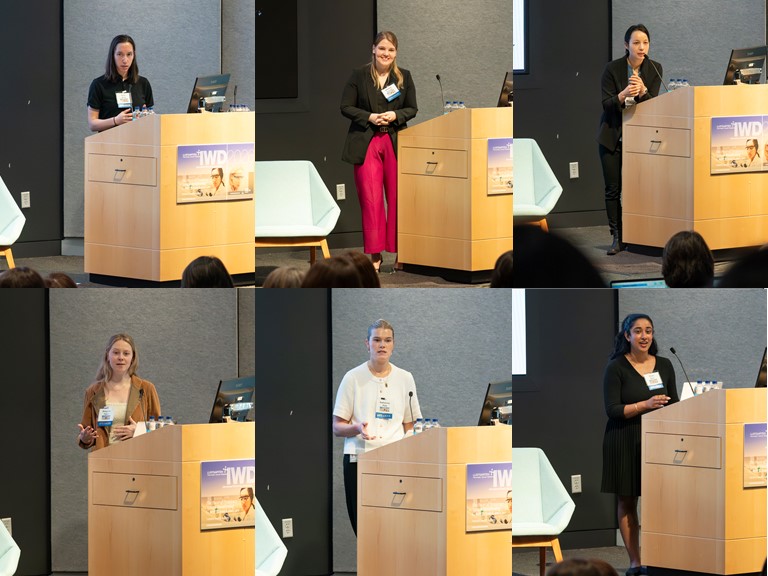
Top row: Dr. Katie Blise, Dr. Brittany Counts, Dr. Jennifer Eng.
Bottom row: Margaret Haerr, Katherina Pelz, Dr. Divya Ravi.
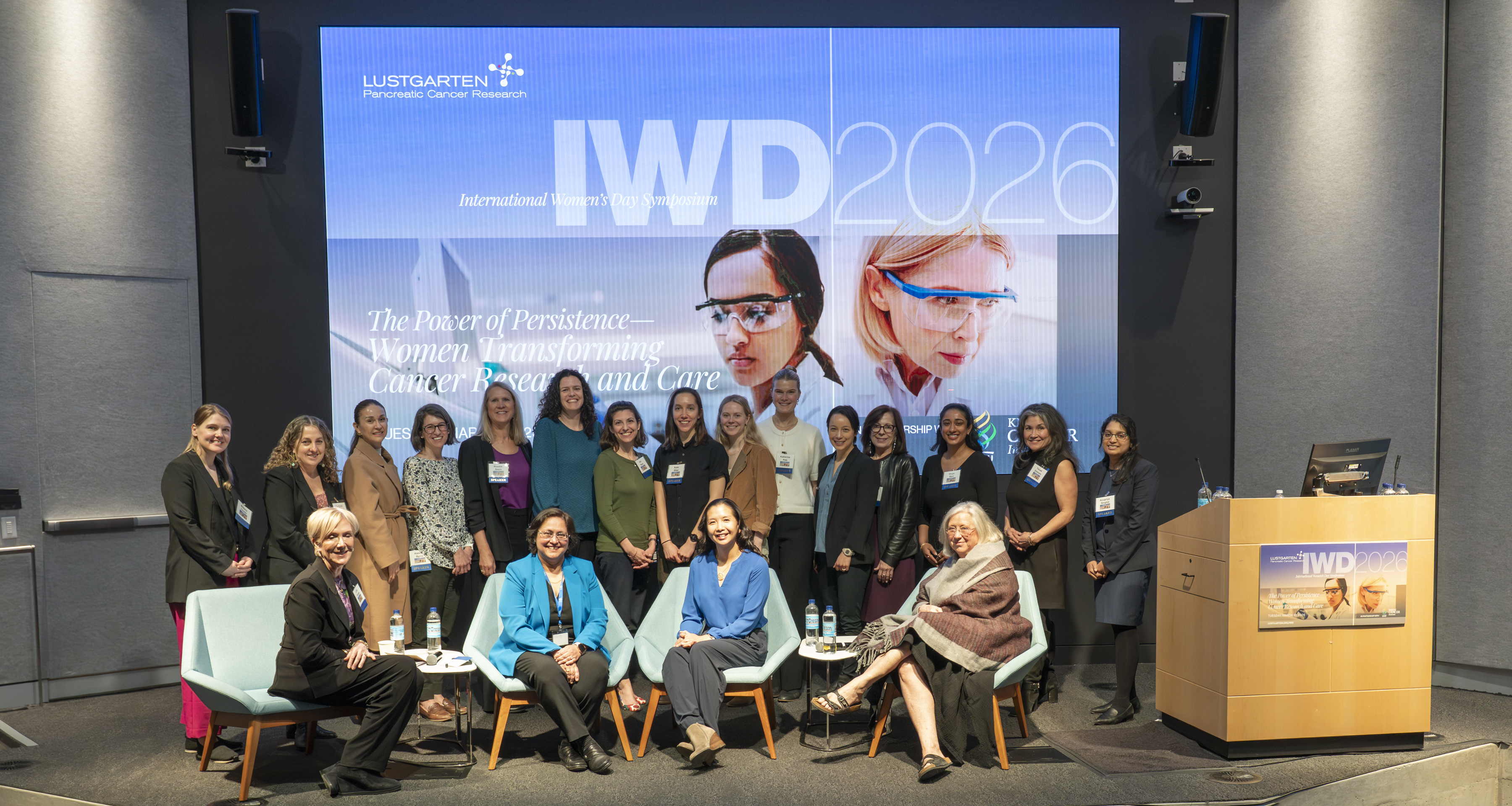
The Lustgarten Foundation partnered with the OHSU Knight Cancer Institute to hold its annual International Women's Day Symposium on March 10th, 2026 at OHSU's Knight Cancer Research Building. Co-chaired by Lisa M. Coussens, PhD and Lustgarten's Chief Medical Advisor Elizabeth Jaffee, MD, The Power of Persistence–Women Transforming Cancer Research and Care brought together incredible women leaders who are driving progress, breaking barriers, and shaping the future of pancreatic cancer research and patient care. View the full program.
From groundbreaking science to powerful personal journeys, their stories remind us that persistence fuels progress—and change is possible because of it.
Watch the full symposium recording and be inspired by the voices leading the way.
CDCB News
Recent accolades and funding
Dr. Sud Anand has been awarded an NIH R21 grant for his project "Defining the PARP14 interactome in RIG-I activated colorectal cancers." Congratulations!
Congratulations to Dr. Molly Thomas and her collaborators who have received several funding awards:
- An NIH R21 her project "Using organoids to model gastrointestinal toxicities associated with immune checkpoint inhibitors."
- As co-PI with Dr. Tim Nice on a Knight Pilot Award for their project "The role for IRF6 in susceptibility to colon cancer," to investigate the role of IRF-6 in colitis-associated cancer.
- As part of the OHSU IOTOX program, a multi-disciplinary group that works on immunotherapy toxicities, that has been awarded a DOD grant for their project "EMPOWER: Enhancing Melanoma Care Through Patient Reported Outcomes Monitoring with Early, Rapid Immunotherapy Toxicity Subspecialty Care." The group plans to roll out clinical toxicity service as a clinical trial.
We are happy to highlight three of our students successfully defended their theses over the summer – congratulations to each of you!
- Margaret Haerr, graduate student in the Byrne lab, who defended her PhD dissertation work "Successful immunotherapy elicits endothelial cell reprogramming in PDAC."
- Sephora Jean, graduate student in the Zimmers lab, who successfully defended her PhD dissertation work "The Adipose Tissue Microenvironment and Adipose-Specific Roles of STAT3 and NF-kB/RelA in PDAC-Induced Cachexia." She graduates with a PhD in Anatomy, Cell Biology & Physiology from Indiana University School of Medicine.
- Katherine Pelz, graduate student in the Brody lab, who successfully defended her PhD dissertation work "Mechanisms of Tumor-Host Interplay in Pancreatic Cancer Metastasis: Insights from Preclinical Models and HuR Biology.”
Congratulations to the B-BRITE poster award winners from the 2026 Research Internship Poster Symposium in August:
- Nicole Damahe (mentor: Megan Ruhland)
- Prevail Li (mentor: Young Hwan Chang)
- Amanda Osborn (mentor: Ellen Langer)
Kasidy Brown, PBMS graduate student in the Ruhland lab, has been awarded an F31 Predoctoral Fellowship from NIH for her project "Defining a regulatory role for androgen receptor signaling on dendritic cell function." Congratulations!
Two members in the Agarwal lab have had their training program appointments renewed:
- Aishwarya Sahasrabudhe, Postdoctoral Fellow, ICSB T32 training program
- Alexander Smith, PhD student, PBMS T32 training program
Congratulations to Dr. Julia Maxson who has been granted tenure!
Dr. Megan Burger has received an R37 MERIT award for her project “Antigen immunodominance in regulation of anti-tumor CD8 T cell immunity and immunotherapy response." The R37 is an R01 upgrade for high scoring Early Stage Investigator proposals that provides up to 7 years of funding. Congratulations!
Two of our faculty have received awards from the EvansMDS Foundation:
- Dr. Julia Maxson for her project "Understanding KAT inhibitor response and resistance in SETBP1-mutant myelodysplastic disorders."
- Dr. Ted Braun for his project "Transcriptional Regulation by Mutant ASXL1 in Myelodysplastic Syndrome.”
Congratulations to Dr. Anupriya Agarwal who has been awarded an R01 competitive renewal for her project "Inflammation-Driven Clonal Evolution in RUNX1 Carriers: Mechanisms and Therapeutic Vulnerabilities."
Matthew Stern, graduate student in the Shree lab, presented a poster at the AACR Advances in Malignant Lymphoma conference in Philadelphia in June. His travel was generously supported by a KCI trainee travel award.
Dr. Jevon Cutler and his lab have received an SRA from Sumitomo Pharma. Congratulations!
Henry Neufeld, graduate student in the Cutler lab, has passed his qualifying exams. Congratulations!
Recent publications
The Byrne lab has co-published a paper with the Xia lab, along with Dr. Lisa Coussens and several other PIs and labs at OHSU, titled "'IFN-γ-dependent tumor-cell MHC-II is restrained by MAPK signaling and associated with immunotherapy responsiveness in pancreatic ductal adenocarcinoma” that was accepted in Cancer Immunology Research.
Drs. Lisa Coussens, Robert Eil and Jonathan Brody collaborated on the recent acceptance of a Cancer Immunology Research paper, which was the result of Drs. Eil and Brody co-mentoring of a PhD student’s thesis (Dr. Miffy Guo, who successfully defended her thesis earlier this year!).
- Additionally, Drs. Lisa Coussens, Robert Eil and Jonathan Brody were co-authors on a separate paper "Increased Glucose Availability Sensitizes Pancreatic Cancer to Macrophage-Targeting Immunotherapies" in Cancer Research Communications.
Dr. Robert Eil is a co-senior author on a recently accepted paper "Tumor-derived antioxidants suppress immunity by depriving T cells of reactive oxygen species" in Science!
Ivan Siordia, graduate student in the Brody lab, is first author for the publication "HuR degradation reveals dependencies in BRAF-driven cancers" in Trends in Cancer.
Parham Diba, MD/PhD student in the Grossberg lab, in collaboration with the Habecker lab has published "Pancreatic cancer cachexia promotes cardiac dysfunction through altered adrenergic signalling in the heart” in the The Journal of Physiology. The manuscript was also selected as the Editor's Choice for that issue of The Journal (Issue 15, Volume 604).
View all CDCB news and recognitions.
CDCB Travel Guide
Important travel resources:
- Basic Sciences Travel Policy
- Basic Sciences Travel Best Practices
- Before Booking Travel Guidelines
- International Travel Guide
- File Off Campus Authorization for international travel at least 90 days in advance
- Recruitment Candidate Travel Guidelines
Knight Cancer Institute Trainee Travel Grants
Travel awards are available for graduate students and postdoctoral fellows conducting cancer-focused research with Knight-affiliated faculty. Up to $1500 in funding will be awarded to selected trainees who will present their research at a national meeting but may not have sufficient funds available.
Graduate student travel awards are supported by a generous gift from the Frohnmayer Hicks Sciarretta Cancer Research Scholars Program. Postdoctoral travel awards are supported by the Knight Cancer Research Training and Education Coordination Office.
The 2026 deadline for applications are:
- January 15, 2026
- April 15, 2026
- July 15, 2026
- October 15, 2026
For more information, visit the Knight Cancer Institute Trainee Travel Grants SharePoint Site or email us at KnightEDU@ohsu.edu
CDCB labs recruiting
Careers with an emphasis on preclinical and translational science
Faculty news
Congratulations to Dr. Julia Maxson on being granted tenure!
Congratulations to Dr. Amy Moran on her promotion to Full Professor with indefinite tenure of Cell, Developmental & Cancer Biology!
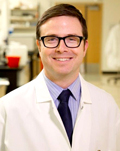
Congratulations to Dr. Josh Walker on his promotion to Associate Professor of Radiation Medicine!

Congratulations to Dr. Evan Lind on his promotion to Full Professor of Molecular Microbiology and Immunology!
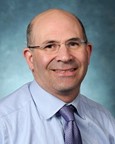
Congratulations to Dr. Jonathan Brody on being granted indefinite tenure!