Working Well
Conversations at the intersection of health and work

Working Well is a bi-monthly webinar series that highlights unique and shared challenges impacting workers across industries. Join safety professionals, policymakers, and experts in occupational health, safety, and well-being as we discuss the topics that matter the most to workers.
Every other month on the third Tuesday, Working Well will bring you the latest on emerging issues and pressing concerns in workplace safety; we'll introduce you to experts on topics at the intersection of work, health and life; and we'll connect you to ideas and information you can use in the workplace. Working Well addresses worker safety and health topics from a Total Worker Health® approach, which emphasizes hazard-free work for all and prioritizes designing work for optimal well-being.
Upcoming Working Well webinars
Measuring worker well-being with the WellBQ: From assessment to action
Tuesday, October 13, 2026
Noon - 1:00 p.m.
Registration required to attend
Join us for an introduction to the Worker Well-Being Questionnaire (WellBQ) and its practical applications in occupational health research and practice. The NIOSH WellBQ is a free, validated assessment tool to help researchers, employers, workers, practitioners, and policymakers measure the various working conditions that impact worker wellbeing and target related interventions. The tool can help organizations measure the many factors that shape worker wellbeing, including job satisfaction, organizational support, workplace safety climate, physical and mental health, and life circumstances outside of work.
Chia-Chia Chang, NIOSH project lead for the development of the WellBQ, will discuss the origins of the instrument, its research foundation, and key considerations for implementation. Participants will also hear a real-world case study from the Oregon Department of Human Services, highlighting how the WellBQ was used to assess employee wellbeing, inform listening sessions, identify regional needs, and guide organizational improvement efforts.
Whether you are a researcher, occupational health professional, or organizational leader, this session will provide both research and practical insights into using worker wellbeing data to support healthier, safer, and more effective workplaces. By the end of this webinar, participants will have information to:
- Describe the purpose and structure of the NIOSH WellBQ
- Identify key considerations for implementing the WellBQ in organizational and research settings.
- Examine how WellBQ data can be used to inform employee engagement and organizational improvement initiatives.
- Explore practical lessons learned from a large-scale implementation effort.
Meet the speakers
-

Chia-Chia Chang is a Public Health Analyst in the National Institute for Occupational Safety and Health (NIOSH). She serves as Senior Lead for Total Worker Health® and Co-Coordinator of the NIOSH Healthy Work Design and Well-Being Cross-Sector program. She is widely recognized for being the NIOSH project leader in the development of the NIOSH Worker Wellbeing Questionnaire (WellBQ).
-

Michelle Patton had dedicated a career to safety, health, and wellness for over 25 years, Ms. Patton’s passion lies in creating a workplace that prioritizes both physical and psychological safety. Her work prioritizes breaking barriers, leveraging data, and placing workers at the core.
Previous Working Well webinars

Automating mental tasks: how AI is changing work activities, employee skills and well-being risks
Ensuring safe use of robotic machinery to automate physical tasks has been a practice for decades. But what are the implications when companies use AI to automate mental tasks like strategic and analytical, planning and organizational tasks which historically lay outside the realm of process automation? Join Steven Hunt and Casandra Kerr for an examination of how AI affects job design and employee skills, highlights emerging health, safety, and well-being risks and opportunities, and clarifies the business value of keeping “humans in the loop” in an AI-saturated workplace. Watch the video below.
Pro-worker AI: Designing AI that works for workers
AI is rapidly transforming work, bringing both real opportunities and serious risks for worker health, safety, and well-being. Although AI can improve safety, automate hazardous tasks, expand accessibility, support training, and reduce some forms of cognitive or physical strain, it can also intensify work, erode autonomy, increase surveillance, create algorithmic insecurity, and deepen existing inequities. In this webinar, Dr. Tahira Probst and Dr. David Dorr will argue that these outcomes are not technologically inevitable; they are shaped by concrete design and implementation choices. Drawing on established work-design and occupational health frameworks, she will introduce a practical lens for evaluating whether a given AI system is likely to support or undermine workers. Participants will leave with concrete questions and strategies they can use to assess AI systems in their own organizations and to advocate for worker-centered implementation.
Video coming soon.
Focus on a Recovery Friendly Workplace
The Recovery Friendly Workplace is a growing initiative that equips employers with tools and resources to create recovery-supportive environments and strengthen workplace health, safety, and well-being. According to the 2023 National Survey of Drug Use and Health, 17.9% of people aged 18 and older have a substance use disorder (SUD), and nearly two-thirds are employed. This makes SUD not only a public health challenge but also a workplace concern that touches all industries, organizations, and communities.
Watch our Recovery Friendly Workplace webinars below.
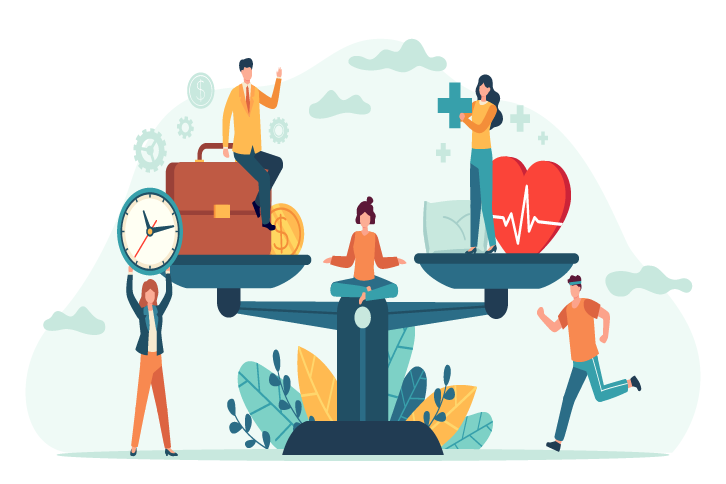
Total Worker Health® approaches to workplace mental health and wellbeing
Webinar
Tuesday, April 15, 2025
Noon - 1:00 p.m.
Work design and hazards have a significant impact on worker mental health and wellbeing. Total Worker Health® offers science-based, practical approaches to being more purposeful in the way an organization designs work to improve mental health and well-being including but not limited to leadership training on mental health support practices, and programs and education on ways of promoting positive mental health at work. Don't miss this opportunity to learn about real world approaches to mitigating risks and promoting health and well-being in workplaces using evidence-based and evidence informed approaches.
Presented in partnership with:
Portland State University, Industrial and Organizational Psychology. ®
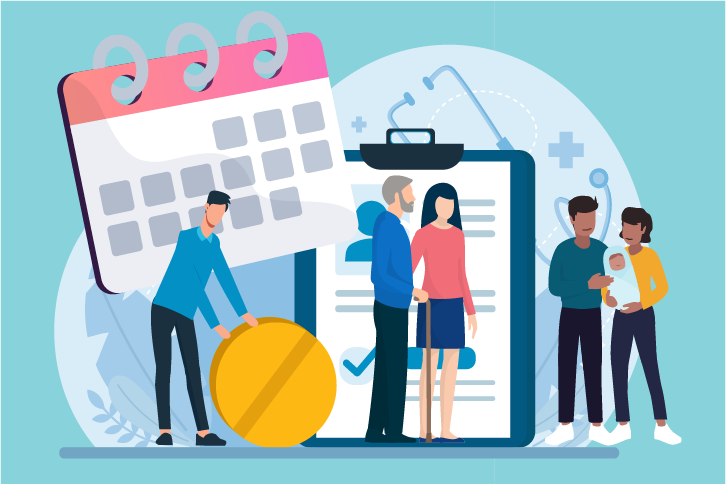
Rules that Work for Workers: Paid Leave Oregon
Webinar
Tuesday, March 18, 2025
Noon - 1:00 p.m.
In September 2023, Oregon implemented a paid family and medical leave program. Paid Leave Oregon provides 12-14 weeks of job-protected paid leave for Oregon workers who need to take time away from work for qualified family, medical, or safe leave. In this webinar conversation we seek to understand the implications of this program for worker health, safety, and wellbeing. We will talk to researchers evaluating the use and effectiveness of paid family and medical leave programs for diverse groups of workers and program administrators overseeing implementation of Paid Leave Oregon. A few questions we will explore: 1) How is the Paid Leave Oregon program working, 2) how does it compare other programs of its type in other states, and 3) what are the documented outcomes for workers and employers?
Overtime Pay for Agricultural Workers: Policy to Practice
Webinar
Tuesday, February 18, 2025
Noon - 1:00 p.m.
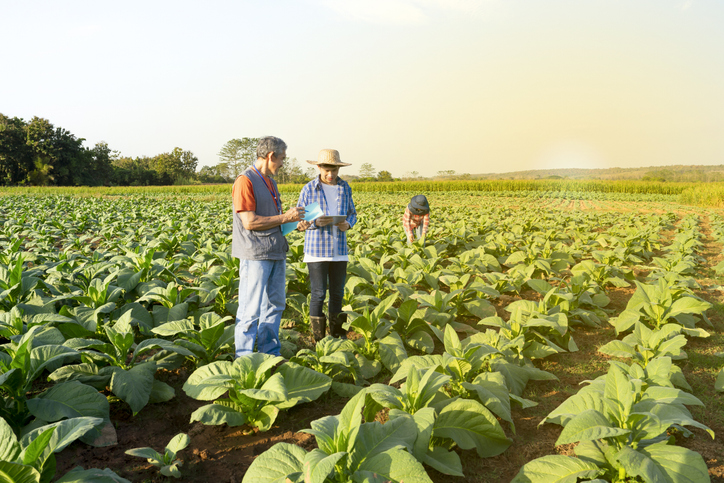
Starting January 1, 2023, Oregon employers were required to pay overtime to agricultural workers after they worked 55 hours in one workweek. As of January 1, 2025, agricultural workers are eligible for overtime pay after 48 hours in a workweek. How is agricultural worker defined? What defines a work week? What are the implications of this new law for workers and employers? In the 2 years since its gradual implementation with full implementation in 2027, what do we know about how this law is working? How has this innovation in worker focused legislation supported the health, safety, wellbeing of those who work in this industry?

Protecting Oregon's Workforce: Policy Landscape for Workers and Employers
Webinar
Tuesday, December 17, 2024
Noon - 1:00 p.m.
Oregon is recognized as a national leader in developing innovative legislation and policies that protect the health and safety rights of workers. This webinar will kick off a series of focused discussions that will explore the intended and unintended consequences of recent Oregon laws such as paid family leave, hospital staffing requirements, and overtime for agriculture workers.
Participants will learn about the legal landscape for workers and employers in Oregon from local and national experts. Oregon is consistently recognized by Oxfam’s Best States to Work Index. Learn from the lead researcher on the Oxfam team about how these rankings are established and tested. Learn from Oregon’s Deputy Labor Commissioner about how Oregon balances the safety and rights workers and employers in innovative ways. Download Oxfam's Best and Worst States to Work in the US 2024.

Too hot to work: How to protect workers from extreme heat and poor air quality
Virtual Webinar
Tuesday, October 15, 2024
Extreme heat events have claimed more lives in the United States over the past 10 years than any other weather-related event. Climate models predict that climate change will lead to an increase in extreme heat events and associated air pollution episodes. During wildfire smoke or extreme heat events, people may also be exposed to increased levels of harmful air pollutants such as ozone, particulate matter, and allergens such as pollen. Heat and air pollution tax human health in distinct ways and the ways we protect workers during heat and air pollution events are also distinct.
In this session, participants will explore what science tells us about the synergistic effects of extreme heat and poor air quality and how to prevent exposure to these hazards effectively.
Learn more about our work

Newsletter
Explore professional development opportunities, the latest updates from the Oregon Healthy Workforce Center and the Occupational Public Health Program, a research snapshot, and upcoming occupational health-focused events.

Blog
The Oregon and the Workplace blog features the latest from OccHealthSci research, professional development opportunities, and valuable insights from disciplines associated with occupational health, safety, and well-being.
Podcast
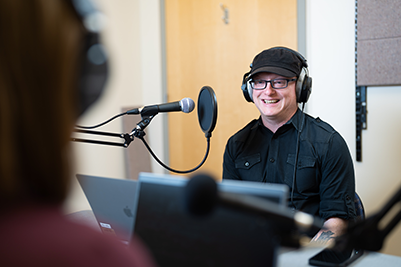
The What's Work Got to Do with It podcast, produced by OccHealthSci, brings together occupational health, safety, and well-being experts to discuss the latest topics relating to worker health, well-being, and safety in Oregon and beyond.