Recovery and Work
Building Recovery Supportive Workplaces
The Recovery Friendly Workplace is a growing initiative that equips employers with tools and resources to create recovery-supportive environments and strengthen workplace health, safety, and well-being. According to the 2023 National Survey of Drug Use and Health, 17.9% of people aged 18 and older have a substance use disorder (SUD), and nearly two-thirds are employed. This makes SUD not only a public health challenge but also a workplace concern that touches all industries, organizations, and communities.
The Oregon Institute of Occupational Health Sciences at OHSU over the coming months will host a two-part series on RFW approaches designed to support individuals affected by substance use, with a focus on people in recovery.
Upcoming Recovery Friendly Workplace events
One-in-ten American workers is in recovery from a substance use disorder—yet, most workplaces are unaware of how to support them. This virtual workshop series provides professionals, managers, and workplace leaders with knowledge, tools, and frameworks to build environments where recovery is not only possible but supported.
Each 90-minute session is designed to stand alone or be taken together. The first focuses on the human side—understanding people, culture and the foundations of a recovery-friendly workplace. The second focuses on the nuts and bolts: the policies, practices and programs that can help organizations establish a recovery friendly workplace.
Recovery Friendly Workplaces Work
Tuesday, March 31, 2026
Noon - 1:30 p.m. PDT
Webinar
Get your tickets today
Recovery Friendly Workplace is a practical framework for building the kind of culture where people and companies can do their best work.
Most workplaces already have employees in recovery. The question isn't whether recovery touches your organization -- it's whether your organization is prepared to handle it well.
This 90-minute session cuts through the noise around Recovery Friendly Workplace and gets to what actually matters: the worker trying to stay employed while managing their recovery, the employer who has more influence than they realize, and the colleagues and peers who shape the culture every single day.
You'll leave with a clear picture of what a Recovery Friendly Workplace actually looks like, why it matters to your bottom line and your people, and practical first steps you can take before your next team meeting.
Meet the speakers
-
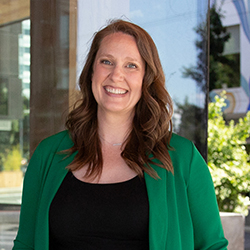
Kristina Ewing, DIRECTOR OF HEALTH & WELLBEING leads health and wellbeing strategy for Andersen Construction, overseeing the company’s self-funded benefits programs with a focus on sustainability and access to care.
She is a strong advocate for recovery-friendly workplaces, believing mental wellbeing must be integrated into workplace design through reduced stigma, clear policies, and practical support. Her work centers on building systems that recognize the realities employees face and support both individual recovery and organizational strength. -
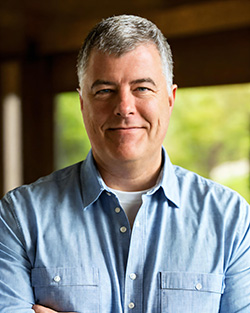
Brett Lovins is the founder of Sober Curious Consulting and a leading voice on Recovery Friendly Workplaces. A person in long-term recovery since 2013, he spent over a decade at Cisco Systems, where he launched the Employee Resource Group: Sober Curious at Cisco, helped reshape how their large corporate events were planned, and built resources that made it easier for employees to get for help.
Today, Brett partners with HR leaders, safety teams, and business owners to assess risk, train managers, and implement practical Recovery Friendly strategies that improve retention, performance, and job-site safety. He’s a CFAA-HR certified facilitator in Addiction Awareness for HR and Managers, a Crucial Conversations facilitator, Dare to Lead™ trained, and a Certified Recovery Coach (CCAR). Brett serves on the Board of Directors for Recovery Beyond and hosts the podcast Addiction & Recovery Conversations, where he spotlights real stories and works to normalize conversations about substance use disorder.
-
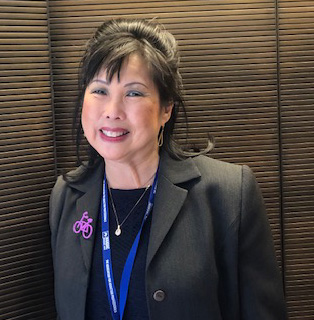
Terry Leckron-Myers is a seasoned executive leader with over 20 years of experience driving strategic innovation and operational excellence across the nonprofit and social services sectors. She is known for building high-performing teams, forging cross-sector partnerships, and leading transformative initiatives that advance equity, healthcare access, and criminal justice reform.
As Senior Director of Peer Delivered Services at the Peer Company, Terry oversees 45 diverse programs and leads a multidisciplinary team with a focus on performance accountability, contract compliance, and data integrity. Her leadership is rooted in trauma-informed, peer-delivered care and a commitment to progressive, community-based solutions.
Terry has successfully aligned complex funding streams, strengthened stakeholder relationships, and directed large-scale service coordination efforts. Her executive acumen was further demonstrated at Bridges to Change, where she led a team of 70 and collaborated with county and healthcare partners to streamline operations and improve outcomes.
Substance Use Disorder is in the workplace--Now what?
Tuesday, April 14, 2026
Noon - 1:30 p.m. PDT
Webinar
Get your tickets today
In this Recovery Friendly Workplace event we will learn about the policies, practices, and programs that work.
Good intentions aren't enough. Without the right policies, practices, and programs in place, even the most well-meaning workplace can unintentionally create barriers for employees in recovery. This session takes a practical look at the structural side of recovery-friendly workplaces — examining what's working, what isn't, and what needs to change. We will consider how peer support transforms outcomes, and how to begin the critical work of reducing stigma within organizations.
Participants will audit their current environment, explore best-in-class programs and practices, and leave with actionable tools they can implement immediately to create lasting, systemic change.
Meet the speakers
-
Brett Lovins is the founder of Sober Curious Consulting and a leading voice on Recovery Friendly Workplaces. A person in long-term recovery since 2013, he spent over a decade at Cisco Systems, where he launched the Employee Resource Group: Sober Curious at Cisco, helped reshape how their large corporate events were planned, and built resources that made it easier for employees to get for help.
Today, Brett partners with HR leaders, safety teams, and business owners to assess risk, train managers, and implement practical Recovery Friendly strategies that improve retention, performance, and job-site safety. He’s a CFAA-HR certified facilitator in Addiction Awareness for HR and Managers, a Crucial Conversations facilitator, Dare to Lead™ trained, and a Certified Recovery Coach (CCAR). Brett serves on the Board of Directors for Recovery Beyond and hosts the podcast Addiction & Recovery Conversations, where he spotlights real stories and works to normalize conversations about substance use disorder.
-
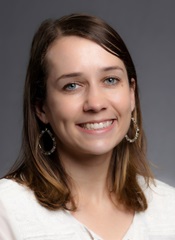
Claire Bryant, Senior Program Manager III, Workplace Safety Programs, National Safety Council
-
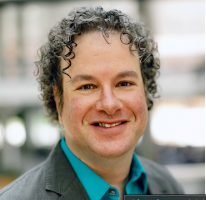
As the Assistant Director of Programs and Partnerships at the Centers for Health, Work & Environment at the Colorado School of Public Health, David Shapiro leads Health Links® and the Colorado Recovery Friendly Workplace Initiative™, two nationally recognized programs helping employers implement Total Worker Health® strategies and enhance workplace mental health, safety, and well-being. David is a seasoned advisor to public health and business leaders, providing technical assistance to over 250 employers across high-risk industries and underserved communities each year.
David Shapiro is a highly respected figure in the field of workplace-supported recovery. He co-chairs the Colorado Recovery Friendly Workplace™ Employer Workgroup and played a pivotal role in securing the passage of Colorado SB24-048, which established the state's Recovery Friendly Workplace certification. His expertise in employer-driven behavioral health innovation has been shared at prestigious platforms such as the White House Office of National Drug Control Policy, the National Academies of Sciences, Engineering, and Medicine, and other national forums.
David holds a Certificate in Total Worker Health® and will complete a master’s in public health (MPH) in Leadership and Public Health Practice at the Colorado School of Public Health in Spring, 2026. His current research explores how workplace characteristics such as job autonomy and organizational support influence well-being, job satisfaction, and retention among employees in recovery from substance use disorder. He brings a collaborative spirit, grounded expertise, and a deep belief in the power of healthy workplaces to transform lives.
Learn more about what we do

Newsletter
Explore professional development opportunities, the latest updates from the Oregon Healthy Workforce Center and the Occupational Public Health Program, a research snapshot, and upcoming occupational health-focused events.

News
The Oregon and the Workplace news feed features the latest from OccHealthSci research, professional development opportunities, and valuable insights from disciplines associated with occupational health, safety, and well-being.
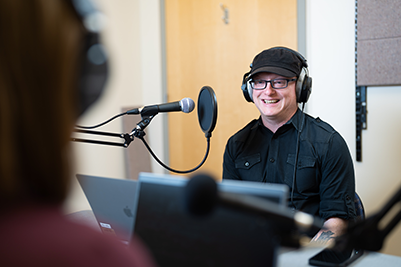
Podcast
The What's Work Got to Do with It podcast, produced by OccHealthSci, brings together occupational health, safety, and well-being experts to discuss the latest topics relating to worker health, well-being, and safety in Oregon and beyond.