Division of Gastroenterology and Hepatology Research
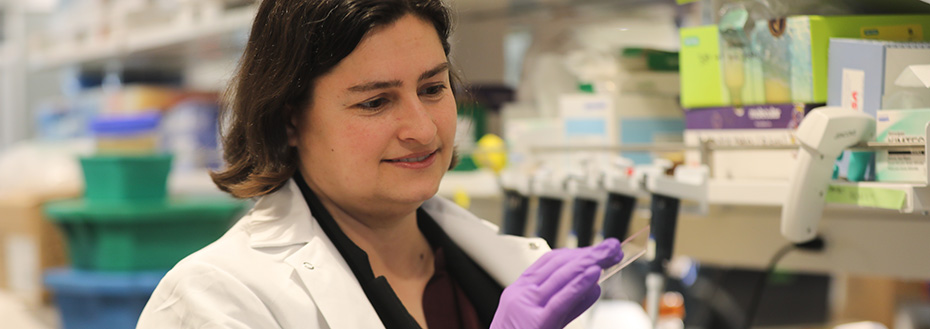
Advancing GI and hepatic research
The Division of Gastroenterology and Hepatology conducts research to understand the effectiveness of treatments, develop biomarkers to improve disease detection, optimize surveillance and increase health care access for vulnerable populations.
What sets us apart
As the state’s only academic health center, OHSU conducts research that leads to new cures, new standards of care and a better understanding of the basic science that drives biomedical discovery. OHSU researchers are exploring new frontiers in basic, clinical and applied research
Our faculty investigate:
- Pancreatic conditions (pancreatic cancer detection, pancreas divisum, pancreatitis, pancreatic cysts)
- Liver diseases (cirrhosis, metabolic dysfunction-associated steatotic liver disease, hepatocellular carcinoma)
- Esophageal conditions (esophageal cancer detection, Barrett’s esophagus, esophageal strictures)
- Inflammatory bowel diseases (Crohn’s disease, ulcerative colitis, immune checkpoint inhibitor colitis)
- Colorectal cancer detection
Gastroenterology and hepatology breakthroughs and news
Our research teams include doctors, scientists, fellows, residents, nurses and research staff. We conduct clinical trials and make important advancements in the treatment of gastroenterological and hepatic diseases.
Faculty careers
Find professor, physician and APP faculty jobs at OHSU.
Earning international recognition
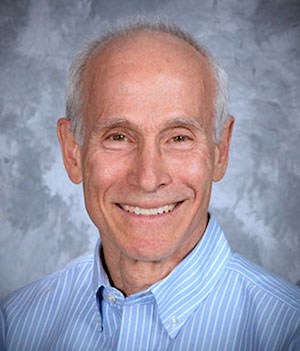
OHSU gastroenterologist David Lieberman, M.D., received the 2025 Julius Friedenwald Medal. The American Gastroenterological Association awards its highest honor annually to individuals who have made lifelong contributions to the field.
Transforming how we treat acute pancreatitis
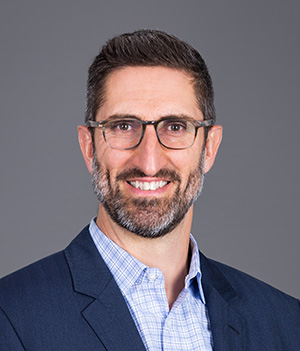
OHSU’s Gregory Coté, M.D., M.S., published findings in JAMA showing that endoscopic retrograde cholangiopancreatography (ERCP) with minor papillotomy does not reduce the risk of acute pancreatitis in patients with pancreas divisum.
Research partnerships
We work with industry, government and nonprofit partners on our research, including:
- GIE Medical
- Sanofi
- AstraZeneca
- Collins Medical Trust
- Kuni Foundation
- Patient-Centered Outcomes Research Institute (PCORI)
- National Institutes of Health (NIH)
- National Institute of Diabetes and Digestive and Kidney Diseases
- National Cancer Institute
We also partner with centers and programs within OHSU, including:
- Brenden-Colson Center for Pancreatic Care
- Cancer Early Detection Advanced Research Center
- Knight Cancer Institute’s Cancer Population Science program
- Department of Cell, Developmental & Cancer Biology
- Oregon Clinical and Translational Research Institute
Partnerships outside of OHSU include:
- Vanderbilt University
- University of Michigan
- MD Anderson
- Kaiser Permanente
- Pacific Northwest National Laboratory
- Massachusetts General Hospital
- Northwell Health
- University of Cambridge
- UNC School of Medicine
- University of Pittsburgh
Questions?
Email gastrohepresearch@ohsu.edu.
Continuing medical education
Attend grand rounds and more.
Make a gift
Support our next breakthrough.
Gastroenterology and hepatology research studies
Checkpoint inhibitor colitis and hepatitis
Goal: To understand the basic immune mechanisms that cause inflammatory colitis and hepatitis associated with immune checkpoint inhibitors, and the factors that predict which patients are likely to develop these immune toxicities.
Who is eligible: Patients ages 18-80 who are on checkpoint inhibitors or are about to start them.
Principal investigator: Molly Thomas, M.D., Ph.D.
Colorectal cancer screening
Title: Five or Ten Year Colonoscopy for 1-2 Non-Advanced Adenomatous Polyps (FORTE)
Goal: To determine the appropriate surveillance for patients who had one to two small benign polyps (adenomatous polyps/adenomas) removed during colonoscopy.
Who is eligible: Patients ages 45-70 with a first-time diagnosis of one to two non-advanced polyps removed by colonoscopy.
Principal investigator: Seth Crockett, M.D., M.P.H.
Esophageal strictures
Title: Paclitaxel Coated Balloon for the Treatment of Chronic Benign Stricture – Esophagus (PATENT-E)
Goal: To see whether GIE Medical’s new ProTractX3™ TTS drug-coated balloon can treat esophageal strictures and reduce the rate of recurrence.
Who is eligible: Patients with a diagnosis of a benign esophageal stricture with at least two previous dilations.
Principal investigator: Fouad Otaki, M.D.
Inflammatory bowel disease
Goal: To evaluate the efficacy and safety of duvakitug in participants with moderately to severely active ulcerative colitis.
Who is eligible: Patients ages 16-80 who have been diagnosed with moderate to severe ulcerative colitis at least three months ago and have not responded to or could not tolerate previous ulcerative colitis treatments.
Principal investigator: Elisa Boden, M.D.
Metabolic dysfunction-associated steatotic liver disease (MASLD)
Title: Metabolic Dysfunction-Associated Steatotic Liver Disease (MASLD) Patient Registry
Goal: To monitor trends in patient risk and outcomes and the impact of health care practices and interventions.
Who is eligible: Patients ages 18-99 with a diagnosis of MASLD who are seen at the OHSU MASLD clinic for evaluation or follow-up.
Principal investigator: Manida Wungjiranirun, M.D.
Pancreatic cancer screening
Title: Validation of Novel Imaging and Molecular Tests for Early Detection of Pancreatic Cancer Through Risk-stratified Community Engagement Programs (PCDC)
Goal: To evaluate the dynamics of blood and imaging biomarkers for pancreatic cancer in high-risk patients.
Who is eligible:
- Patients undergoing MRI/MRCP for either:
- A known diagnosis of chronic pancreatitis
- Abdominal pain without a known history of pancreatitis but with a concomitant diagnosis of diabetes
- Patients with a suspected diagnosis of intraductal papillary mucinous neoplasms
- Patients with a known or suspected diagnosis of pancreatic ductal adenocarcinoma
Healthy volunteers will also be recruited as a comparison group.
Principal investigator: Gregory Coté, M.D., M.S.
Colorectal cancer biomarkers
Title: Evaluation of Stool Based Markers for the Early Detection of Colorectal Cancers and Adenomas (GLNE)
Goal: To determine whether stool or blood can be used to detect colon cancers as early or earlier than colonoscopy.
Who is eligible: Patients scheduled for a colonoscopy for colon cancer surveillance or patients with colon cancer who have not yet had surgery, chemotherapy or radiation.
Principal investigator: Seth Crockett, M.D., M.P.H.
Colorectal cancer screening
Title: Colonoscopy Versus Stool-based Testing for Older Adults With a History of Colon Polyps (COOP)
Goal: To compare the effectiveness of annual fecal immunochemical testing versus colonoscopy in older adults with a history of low-risk colorectal polyps.
Who is eligible: Patients ages 65-82 with one to two non-advanced polyps on their most recent colonoscopy OR a personal history of colorectal polyps (≥1 lifetime adenoma, sessile serrated polyp).
Principal investigator: Seth Crockett, M.D., M.P.H.
Fecal microbiota transplant
Title: Fecal Microbiota Transplant National Registry
Goal: To understand the safety and effectiveness of fecal microbiota transplant as a treatment for C. diff and other health conditions, as well as its impact on patients over the years.
Who is eligible: Patients receiving FMT or other gut-related microbiota products.
Principal investigator: Melissa Hershman, M.D., B.S.N.
Inflammatory bowel disease
Goal: To evaluate the efficacy and safety of duvakitug in participants with moderately to severely active Crohn’s disease.
Who is eligible: Patients ages 16-80 who have been diagnosed with moderate to severe Crohn’s disease at least three months ago and have not responded to previous Crohn’s disease treatments or could not tolerate them.
Principal investigator: Elisa Boden, M.D.
Pancreatic cysts
Goal: To determine if biomarkers from blood and imaging predict the development of worrisome features or signs of pancreatic cancer.
Who is eligible: Patients ages 50-75 with a pancreatic cyst ≥1 cm with imaging (CT, MRI or EUS) in the past six months.
Principal investigator: Kaveh Sharzehi, M.D., M.S.