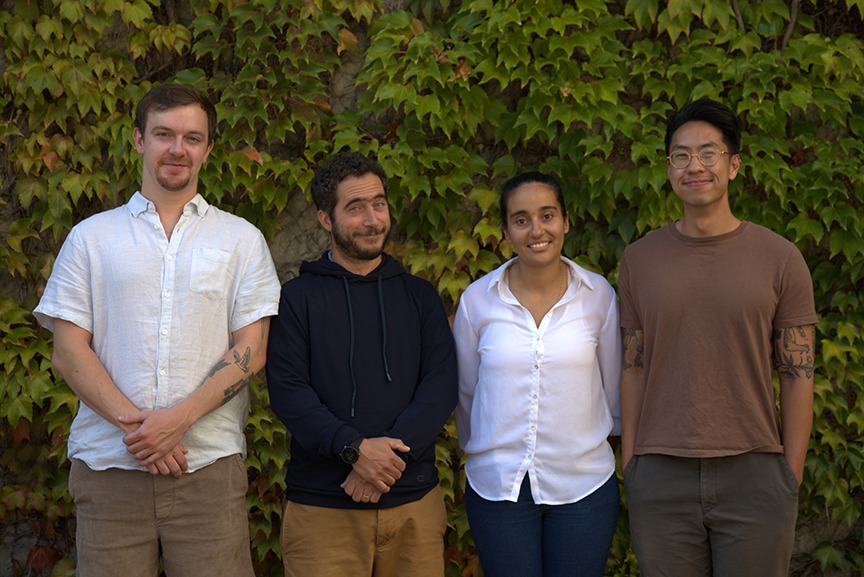
Arpy Saunders, Ph.D., assistant scientist at the OHSU Vollum Institute, and colleagues have discovered that the rabies virus interacts with human brain cell types in unexpected ways. Using single-cell molecular analysis, they found that rabies normally stays “stealthy” by blocking the brain’s innate immune defenses. When this ability was removed, infection spiked in a rare group of astrocytes — support cells that play vital roles in brain function. The findings reveal how the brain balances protection and vulnerability during viral attack and highlight astrocytes as key players in future efforts to understand and treat brain infections. Their findings were just published in Cell Reports.