2026 Fall Trauma Nursing Conference

Learn from local, regional, national, and international trauma experts.
Virtual Event
Saturday, October 24, 2026
8:00 a.m. - 5:00 p.m.
Live attendance includes:
- Access to all presentations
- Live Q&A with speakers
- On-demand access to conference recordings
Trauma care is constantly evolving, and so are the challenges facing the patients, families, and healthcare professionals we serve. Join us live on Saturday, October 24, 2026, for the 31st Annual Fall Trauma Nursing Conference and spend the day learning from nationally and internationally recognized experts addressing some of the most important issues in trauma care today.
This year's program features a dynamic mix of clinical, operational, and human-centered topics, including moral injury in healthcare, emotional first aid, trauma quality improvement, prehospital trauma care, pediatric injury prevention, discharge planning, adolescent mental health, behavioral health, substance use disorder, and the care of vulnerable patient populations.
Highlights include internationally recognized pediatric trauma leader Helen Jowett (Melbourne, Australia), who will present on Four Perspectives of Patient Care: Nurse, Advocate, Mother, Patient and Non-Accidental Trauma in Children: Recognizing the Injury, Protecting the Child.
Featured speaker Diana Clapp will present on Integration of AI-Generated Standardized Patients into a Nurse Practitioner Simulation Curriculum and the interactive case-learning experience Choose Your Own Adventure: Critical Decisions in Trauma Care.
Whether you practice in emergency, critical care, trauma, acute care, pediatrics, perioperative services, rehabilitation, or a rural hospital setting, you will leave with practical strategies, new perspectives, and knowledge you can immediately apply to the care of your patients and families.
Why Attend Live?
- Participate in live Q&A with expert speakers
- Learn from local, regional, national, and international trauma leaders
- Explore adult and pediatric trauma topics relevant to bedside practice
- Discover practical tools you can immediately apply in your clinical setting
- Earn continuing education credit
- Connect with colleagues from across Oregon and the Pacific Northwest
Featured Topics:
- Moral Injury in Healthcare
- Trauma Patient Care & Prehospital Perspectives
- Behavioral Health & Substance Use Disorder
- Adolescent Mental Health
- AI in Simulation
- Non-Accidental Trauma in Pediatrics
- Pediatric Injury Prevention
- Emotional First Aid
- Care Management & Transitions of Care
- Trauma Quality Improvement
- Trauma Resuscitation & Ventilator Emergencies
- Older Adult Trauma & Fall Prevention
Registration
Join healthcare professionals from across Oregon and the Pacific Northwest for a full day of practical, evidence-based trauma education.
Live Virtual Conference
Saturday, October 24, 2026
8:00 a.m. - 5:00 p.m.
Registration Fee: $85.00
Can't Attend Live?
No problem! The conference will be recorded and made available to registered attendees as an asynchronous learning opportunity. Registered participants will receive access to the conference event portal prior to the event, where they can view the live stream, access presentation materials, and later watch the conference recordings. Recordings are expected to be available beginning the week of November 23, 2026.
Agenda
MORNING PLENARY SESSIONS
7:55 a.m.
Welcome & Introductions
8:00-8:40 a.m.
Trauma Patient Care and Hand-off: A Prehospital Perspective | EMS Captain Justin Colvin
Occasionally there is a disconnect between prehospital and Emergency Room trauma care of critically injured patients. There are many factors that contribute to this, but much of it comes down to miscommunication, differing expectations, and a lack of understanding of capabilities on either side of the ER doors. The goal of this presentation is to address a few of the common challenges found and start a dialog to improve the transfer of care from the prehospital environment to the trauma bay.
8:40-9:20 a.m.
Moral Injury in Nursing | Adrian Ramos, AGACNP-BC, FNP-C
Healthcare professionals often describe experiences as burnout when something deeper is occurring. Moral injury is the lasting psychological, emotional, and professional impact that can occur when clinicians participate in, witness, or feel unable to prevent actions that conflict with their core values. Using a trauma resuscitation case as a framework, this session explores the origins of moral injury, how it differs from burnout and post-traumatic stress disorder, and the factors that contribute to its development in healthcare settings. Attendees will gain practical insight into recognizing moral injury and fostering healthier team environments that support resilience and professional well-being.
9:20-9:40 a.m.
Break
9:40-10:20 a.m.
Emotional First Aid – What to do and how to help with Sudden Grief and Loss | June K. Vining, Executive Director & CEO
When families experience sudden death, traumatic injury, or unexpected crisis, healthcare professionals are often called upon to provide support during some of life's most difficult moments. This session explores practical strategies for offering emotional first aid to patients, families, and coworkers in the immediate aftermath of trauma and loss. Participants will learn how to communicate with compassion, what to say and what not to say during a crisis, and how to provide meaningful support while recognizing the importance of self-care, resilience, and preventing compassion fatigue among healthcare professionals.
10:20-11:00 a.m.
Integration of AI-Generated Standardized Patients into a Nurse Practitioner Simulation Curriculum | Diana Ball, DNP, AGACNP-BS, AGACCNS-BS
What happens when artificial intelligence becomes part of simulation-based healthcare education? This session explores the creation and implementation of AI-generated virtual patients within a nurse practitioner curriculum, examining both the opportunities and challenges of this emerging technology. Participants will learn how AI can be used to create realistic patient encounters, enhance learner engagement, and support clinical education, while also discussing the limitations, risks, and practical considerations of integrating generative AI into simulation programs.
11:00-11:40 a.m.
Four Perspectives of Patient Care: Nurse, Advocate, Mother, Patient | Helen Jowett, BSN, RN
What happens when a healthcare professional experiences care from the other side of the bedside?
Drawing on both personal and professional experience, this reflective session explores healthcare through four interconnected perspectives: nurse, advocate, family member, and patient. Participants will examine how trauma affects not only the injured patient, but also the families and caregivers surrounding them, often bringing feelings of grief, guilt, shame, vulnerability, and loss of control.
Through storytelling and the principles of compassionate, trauma-informed care, this session explores how communication, empathy, kindness, and human connection can shape the healthcare experience. Attendees will reflect on how everyday interactions influence trust, dignity, and healing, and how trauma nurses can help ensure that healthcare becomes part of the recovery process rather than an additional source of distress.
11:40-12:45 p.m.
Lunch
AFTERNOON BREAKOUT SESSIONS
ADULT TRAUMA MANAGEMENT
12:45-1:15 p.m.
Improving Care for the Older Adult Before and After the Fall | Jennifer Brusca, EdD, RN, ONC & Johnathan Jones, RN, BSN
As the population ages, trauma programs are caring for increasing numbers of older adults affected by fall-related injuries. This session explores the continuum of care before and after the fall, examining evidence-based prevention strategies, trauma system requirements, and quality improvement initiatives aimed at improving outcomes for patients with femur fractures requiring surgical repair. Attendees will gain practical insights into injury prevention, performance improvement, and multidisciplinary approaches to caring for one of the fastest-growing populations in trauma care.
1:15-1:45 p.m.
The Crashing Ventilated Patient | Adrian Ramos, AGACNP-BC, FNP-C
Every nurse caring for a mechanically ventilated patient will eventually face a moment when a patient suddenly deteriorates and immediate action is required. This session provides a practical, step-by-step approach to assessing and stabilizing the crashing ventilated patient during those critical first moments before additional help arrives. Using an unfolding trauma case, participants will review ventilator alarms, basic ventilator mechanics, common causes of acute decompensation, and the DOPES troubleshooting framework. Attendees will leave with practical assessment skills and communication strategies they can apply when caring for critically ill trauma patients.
1:45-2:15 p.m.
Urban, Rural, and Everywhere Between: Trauma Care for Patients Experiencing Homelessness, Substance Use Disorder, and Behavioral Health Challenges | Lacey McCarley, ARNP
Patients experiencing homelessness, substance use disorder, and behavioral health challenges face significantly higher rates of injury, poorer health outcomes, and substantial barriers to recovery after trauma. This session will explore the unique challenges these patients encounter across urban, rural, and resource-limited settings, while examining the impact of housing instability, addiction, and mental health conditions on trauma care and recovery. Attendees will learn practical, nurse-driven strategies to improve patient engagement, reduce barriers to care, decrease against-medical-advice (AMA) discharges, and support better outcomes for some of the most vulnerable patients in our healthcare system.
PEDIATRIC TRAUMA MANAGEMENT
12:45-1:15 p.m.
Non-Accidental Trauma in Children: Recognizing the Injury, Protecting the Child | Helen Jowett, BSN, RN
Non-accidental trauma in children presents unique challenges for trauma nurses, requiring careful assessment, clinical judgment, and compassionate intervention. This session explores the recognition of suspected child abuse, including injury patterns, risk factors, and circumstances that should raise concern. Participants will examine the trauma nurse's role in assessment, documentation, multidisciplinary collaboration, and advocacy while applying trauma-informed principles that support the safety, dignity, and well-being of both children and families. Ultimately, the session will focus on helping clinicians recognize what others may miss and ensure vulnerable children receive the protection and support they need.
1:15-1:45 p.m.
Hospital-Based Medication and Firearm Safe Storage Resources: Supporting Families During Mental Health Crises | Adrienne Gallardo, MA, CPST-I
Children and adolescents experiencing a mental health crisis are often at increased risk for self-harm, making safe access to medications and firearms an important component of discharge planning and caregiver education. This session explores practical hospital-based strategies for supporting families during these critical moments, including safe-storage resources, injury prevention education, and safety-focused conversations. Using lessons learned from a pediatric injury prevention program, attendees will examine approaches to lethal means safety, caregiver engagement, and resource distribution that can be adapted across a variety of healthcare settings. Participants will leave with practical ideas for strengthening patient safety and supporting families facing complex behavioral health challenges.
1:45-2:15 p.m.
Little Airways, Big Challenges: Pediatric Airway Emergencies | Sue Steen, MSN, RN, NEA-BC
Children can deteriorate quickly when airway compromise occurs, making early recognition and intervention critical. This session explores the unique anatomy and physiology of the pediatric airway, common predictors of difficult airways, and practical strategies for assessment, escalation, and rescue. Through case-based examples and real-world clinical scenarios, attendees will learn how to recognize early warning signs, support oxygenation, and confidently respond to pediatric airway emergencies before a crisis develops. Based on evidence-based pediatric airway management principles, this presentation emphasizes the vital role nurses play in improving patient safety and outcomes.
AFTERNOON PLENARY SESSIONS
2:15-2:30 p.m.
Break
2:30-3:00 p.m.
The Good, The Bad, and the Ugly: Transference and Counter Transference in Adolescent Mental Healthcare | Jessica Strafford, M.D.
Why do some patient encounters stay with us long after a shift ends, while others leave entire care teams feeling frustrated, protective, or emotionally exhausted? This session explores the often-unseen dynamics of transference and countertransference and how they shape interactions between adolescents, caregivers, and healthcare professionals. Participants will learn how these processes affect patient care, influence team dynamics, and impact clinical decision-making, while gaining practical tools for recognizing and managing these challenges in everyday practice.
3:00-3:30 p.m.
Care Management: A Team Sport | Niki Kinunen, RN
Effective discharge planning begins long before the day a patient leaves the hospital. This session explores the role of the RN Case Manager within the interdisciplinary care team and how early collaboration can help improve patient outcomes, reduce barriers to discharge, and support safe transitions of care. Participants will gain a better understanding of case management responsibilities, common discharge planning challenges, and practical strategies for partnering with case managers to meet the complex needs of trauma patients and their families.
3:30-4:00 p.m.
The Clock is Hemorrhaging: When Minutes Matter Most | Heather Wong, RN, MSN
Uncontrolled hemorrhage remains one of the leading causes of preventable death in trauma patients, making rapid access to definitive hemorrhage control critical. This session explores a multidisciplinary quality improvement initiative focused on reducing time to Interventional Radiology (IR) for trauma patients requiring emergent embolization. Attendees will learn how collaboration between trauma, interventional radiology, nursing, and quality teams led to substantial reductions in treatment delays through workflow redesign, performance improvement processes, and real-time case review. Participants will gain practical insights into identifying system barriers, improving interdisciplinary communication, and using data-driven approaches to improve outcomes for critically injured trauma patients.
4:00-5:00 p.m.
Choose Your Own Adventure: Critical Decisions in Trauma Care | Diana Ball, DNP, AGACNP-BS, AGACCNS-BS
The patient has arrived. The history is limited. The clock is ticking. What happens next is up to you.
In this highly interactive session, participants will take the lead in a series of evolving trauma cases, making real-time decisions about assessment, diagnostics, treatment, and escalation of care. Each choice influences the direction of the case, revealing new information, unexpected challenges, and critical decision points along the way. Through audience participation and discussion, attendees will strengthen clinical reasoning skills, evaluate alternative management strategies, and explore how seemingly small decisions can significantly impact patient outcomes.
5:00 p.m.
Evaluation & Adjourn
Speakers
Featured Speakers
National and international experts bringing unique perspectives to trauma care, pediatric trauma, healthcare education, and simulation.

Helen Jowett, RN, BN, MSc Trauma (Candidate)
Trauma Program Manager & Clinical Nurse Consultant
The Royal Children's Hospital, Melbourne, Australia
Helen Jowett is an internationally recognized trauma nurse leader with nearly 30 years of experience advancing pediatric trauma care, trauma systems, quality improvement, injury prevention, and trauma education. She serves as Trauma Program Manager and Clinical Nurse Consultant at The Royal Children's Hospital Melbourne, one of Australia's leading pediatric major trauma centers.
Helen is the Immediate Past International Director of the Society of Trauma Nurses and Immediate Past Chair of the STN International Council. She is also a Past President of the Australian and New Zealand Trauma Society and serves on the Royal Australasian College of Surgeons Trauma Verification Committee.
An experienced educator and international speaker, Helen coordinates Advanced Trauma Life Support (ATLS), Emergency Trauma Management (ETM), and Paediatric Trauma Management (PTM) programs and is Australia's only Trauma Outcomes and Performance Improvement Course (TOPIC) instructor. She is passionate about strengthening trauma systems, improving outcomes for injured children, and ensuring equitable access to high-quality trauma care.

Diana L. Clapp, DNP, AGACNP-BC, AGACCNS-BC, CHSE
Faculty, Adult-Gerontology Acute Care Nurse Practitioner Program
OHSU School of Nursing
Diana Clapp is an Adult-Gerontology Acute Care Nurse Practitioner, Certified Healthcare Simulation Educator, and faculty member in the OHSU School of Nursing Adult-Gerontology Acute Care Nurse Practitioner Program. She began her healthcare career as an EMT and paramedic before earning her BSN and Doctor of Nursing Practice from the University of Maryland.
Prior to relocating to Oregon, Diana spent 14 years caring for critically injured patients at Johns Hopkins Bayview Medical Center and the R Adams Cowley Shock Trauma Center in Baltimore, where she developed extensive expertise in trauma and critical care. She joined the OHSU Trauma Acute Care Surgery team in 2018 and currently practices with the Adult Pain Service.
As a nursing faculty member, Diana leads simulation initiatives within the School of Nursing and is passionate about preparing clinicians for real-world patient care through innovative, simulation-based learning. Her professional interests include trauma care, healthcare education, emerging technologies in simulation, and promoting clinical excellence through experiential learning.
Conference Faculty
Clinical experts, educators, and trauma leaders sharing practical knowledge to support adult and pediatric trauma care across the continuum.
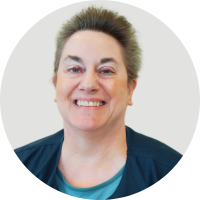
Jennifer Brusca, EdD, RN, ONC
Program Manager, Spine & Orthopaedics
Providence Medford Medical Center
Jennifer Brusca is the Program Manager for Spine and Orthopaedics at Providence, where she leads initiatives focused on orthopedic care, quality improvement, and program development, including geriatric hip fracture care. With more than 30 years of experience in healthcare, she has served in a variety of clinical, leadership, and management roles. Jennifer holds a Doctor of Education in Leadership and Management and is nationally certified in orthopedic nursing. She is committed to advancing patient outcomes through education, innovation, and evidence-based practice.
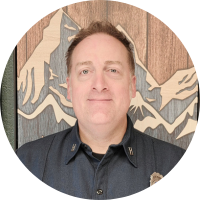
Justin Colvin
EMS Captain / Paramedic • EMS Instructor • Firefighter
Clackamas Fire
Justin Colvin is an EMS Captain, Paramedic, Firefighter, and EMS Instructor with more than 30 years of prehospital experience across private and public EMS agencies. His career includes frontline paramedicine with both private ambulance and career Fire District first response, Field Training Officer for both agencies, EMS education and training for the Fire District, supervision of private paramedics, paramedic school curriculum development and instruction, and coordinating multi-agency EMS trainings. As EMS Captain with Clackamas Fire, Justin manages EMS training and recertification for the third-largest structural fire agency in Oregon, oversees EMS academy instruction and the FTO program, contributes to local EMS protocol development, and coordinates EMS education and conferences. He is known for practical, field-focused instruction for both new and experienced EMTs and paramedics and received the Oregon State Professional Achievement Award – EMS Commitment to Quality Award in 2015.

Adrienne Gallardo, MA, CPST-I
Program Manager, Injury Prevention Program
OHSU Doernbecher Children's Hospital
Adrienne Gallardo is the Program Manager for the Injury Prevention Program at OHSU Doernbecher Children's Hospital, where she leads injury prevention initiatives benefiting patients, families, and communities throughout Oregon and Southwest Washington. With a background in social work and organizational management, Adrienne has dedicated her career to pediatric injury prevention and child safety advocacy. She is a nationally certified Child Passenger Safety Technician Instructor and has led the development of innovative injury prevention and outreach programs focused on reducing preventable childhood injuries. Adrienne has contributed to multiple research studies and publications related to child passenger safety, firearm safety, and injury prevention, and regularly presents at local and national conferences on topics affecting children's health and safety.

Johnathan Jones, RN, BSN
Clinical Trauma Coordinator
Providence Medford Medical Center
Johnathan Jones is the Clinical Trauma Coordinator at Providence Medford Medical Center and has more than 20 years of experience in trauma systems development, quality improvement, and trauma program leadership. Throughout his career, he has supported healthcare organizations across the Pacific Northwest and California in advancing trauma care through education, performance improvement, and systems-based approaches to patient care. Johnathan serves as a trauma surveyor and consultant for multiple organizations, including the Oregon Health Authority and Idaho Time Sensitive Emergency Systems. He is passionate about using data, benchmarking, and performance improvement to strengthen trauma systems and improve patient outcomes.

Niki Kinunen, RN
Case Manager
OHSU
Niki Kinunen is a registered nurse and case manager at OHSU with more than 23 years of acute care experience at a Level I trauma center. Prior to transitioning into case management in 2017, she spent 14 years caring for trauma, orthopedic, and emergency general surgery patients, serving in roles that included Charge Nurse and Wound/Ostomy Unit Educator. Her expertise includes rapid assessment, crisis intervention, interdisciplinary care coordination, and discharge planning for patients with complex medical and social needs. Niki is passionate about trauma-informed care and helping patients and families navigate the transition from hospital to home through patient-centered, team-based care alongside nurses, providers, therapists, and her favorite social worker, Steve, who may or may not have requested inclusion in this biography. A native Oregonian, Niki enjoys spending time with her family, hiking, yoga, and spoiling her poodle Yoshi.

Lacey McCarley, FNP-C
Family Nurse Practitioner, Street Medicine & Behavioral Health
Central City Concern | Unity Center for Behavioral Health
Lacey McCarley is a Nurse Practitioner who has dedicated her career to advancing health equity for unhoused populations. She first entered the field as an administrator at a clinic serving homeless individuals before transitioning into clinical work as an ED RN. While working in the ED and attending NP school, she co-founded Portland Street Medicine. She then went on to build a second street medicine initiative and consult on a third. Today, Lacey splits her time between a mobile medical unit/street medicine and inpatient psychiatric internal medicine, bringing deep frontline and administrative expertise to improving outcomes for unhoused patients.

Adrian Ramos, AGACNP-BC, FNP-C
Division Lead Advanced Practice Provider, Trauma, Critical Care & Acute Care Surgery
OHSU
Adrian Ramos is an advanced practice provider specializing in trauma and critical care at OHSU, where he serves as Division Lead APP for Trauma, Critical Care, and Acute Care Surgery. He brings extensive experience from high-acuity trauma centers and medical intensive care units, including frontline critical care during the COVID-19 pandemic. Adrian is passionate about clinician education, mentorship, and fostering resilience within healthcare teams. A returning FTNC faculty member, he is known for delivering practical, thought-provoking presentations that connect clinical expertise with the realities of caring for patients and healthcare professionals alike.

Jessica Strafford, MD
Assistant Professor, Child & Adolescent Psychiatry
OHSU | Unity Center for Behavioral Health
Jessica Strafford is a board-certified Child and Adolescent Psychiatrist and Assistant Professor in the Division of Child and Adolescent Psychiatry at OHSU. She received her medical degree from The Ohio State University College of Medicine and completed residency training in Psychiatry followed by fellowship training in Child and Adolescent Psychiatry at Ohio State University. Dr. Strafford has been practicing Child and Adolescent Psychiatry since 2009 and currently provides inpatient psychiatric care at Unity Center for Behavioral Health, one of only two acute psychiatric inpatient units for youth in Oregon. In addition to her clinical work, she supports pediatric behavioral healthcare across the state through the Oregon Psychiatric Access Line about Kids (OPAL-K). Her professional interests include adolescent mental health, behavioral health crises, therapeutic relationships, and improving outcomes for young people through compassionate, evidence-based psychiatric care.
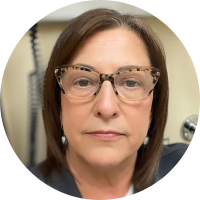
Susan Steen, MSN, RN, CNOR
Pediatric Trauma Program Manager
OHSU/Doernbecher Children's Hospital
Susan Steen, MSN, RN is the Pediatric Trauma Program Manager at OHSU Doernbecher Children’s Hospital and a nursing leader with more than 35 years of experience in trauma care, perioperative services, and healthcare administration. Her career has included clinical and leadership roles at leading healthcare organizations, including Los Angeles County-USC Medical Center, Loma Linda University Medical Center, UCLA Medical Center, Kaiser Permanente, and Shriners Hospitals for Children-Portland. Susan holds a Master of Science in Nursing from the University of Texas at Arlington and a Post-Master’s Certificate in Nursing Education. She is actively involved in advancing trauma care through her service on the Multidisciplinary Education Committee of the Pediatric Trauma Society and the Pediatric Committee of the Society of Trauma Nurses. Her professional interests include pediatric trauma systems development, trauma quality improvement, nursing education, and advancing trauma care across the continuum.

June Vining
Executive Director & CEO
Trauma Intervention Program Northwest (TIP NW)
June Vining is the Executive Director and CEO of Trauma Intervention Program Northwest (TIP NW), where she has spent more than 25 years supporting individuals, families, and communities in the immediate aftermath of traumatic events. Under her leadership, TIP NW has grown into one of the largest and busiest trauma intervention programs in the United States, serving communities throughout Oregon and Southwest Washington through a network of trained volunteers. Nationally recognized for her expertise in crisis response, emotional first aid, grief support, and volunteer development, June regularly teaches and presents on trauma-informed support and compassionate care during times of crisis.

Heather Wong, MHS, BSN, RN, TCRN
Trauma Program Director
OHSU
Heather Wong is the Trauma Program Director at OHSU and brings more than 24 years of experience in emergency, critical care, and trauma nursing. Throughout her career, she has served in a variety of clinical and leadership roles, including Emergency Department staff nurse, Intensive Care Unit nurse, Patient Care Coordinator, Trauma Program Clinician, and Trauma & Emergency Clinical Nurse Specialist. Heather holds degrees from Athabasca University, the University of Victoria, and the British Columbia Institute of Technology, where she specialized in Critical Care and Emergency Nursing. She is a published author, international speaker, and dedicated trauma educator who continues to serve as an instructor for Trauma Nursing Core Course (TNCC), Rural Trauma Team Development Course (RTTDC), Stop the Bleed, Advanced Trauma Life Support (ATLS), and Definitive Surgical Trauma Care (DSTC). Heather is passionate about trauma systems, quality improvement, injury prevention, and advancing trauma care through education and collaboration. Outside of work, Heather enjoys reading, cycling, golf, traveling with her daughter, and continually learning new skills, including artisan bread making and chocolate crafting.