Dotter Department of Interventional Radiology Sections and Programs
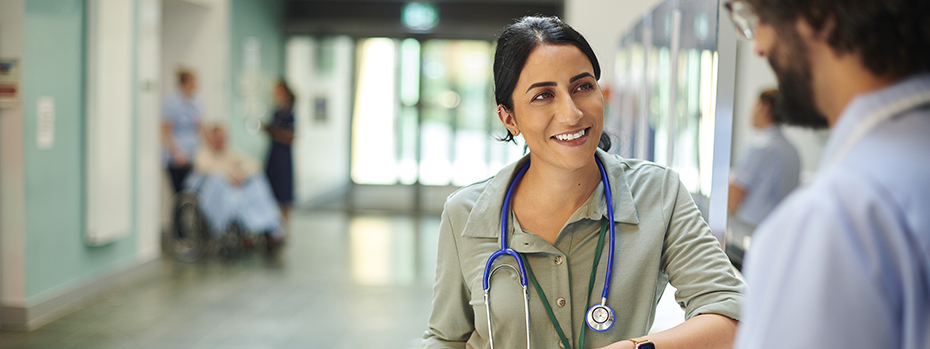
Driving the future of image-guided care
Our interventional radiology sections and programs apply research-backed discoveries to advance clinical IR care at OHSU and Portland-area hospitals. We work together to improve image-guided treatment for complex vascular and nonvascular conditions through these sections and programs:
What sets us apart
Built on the groundbreaking work of Charles Dotter, our programs continue to push the boundaries of interventional care.
We work with multidisciplinary teams to innovate and improve clinical care locally and nationally. Rather than bench science, we lead clinical trials and translate research discoveries into breakthrough IR treatments across all medical specialties. Our work is:
- Expanding treatment options by bringing advanced minimally invasive therapies to more patients
- Redefining the role of image-guided intervention in treating vascular and nonvascular disease
- Advancing the next generation of image-guided therapies through nationally recognized faculty and research at OHSU
Interventional radiology sections
Our department's sections provide advanced clinical care across outpatient and inpatient settings. We offer a full range of procedures, using state-of-the-art image-guided therapies for patients.
We’re the third most consulted service at OHSU, working directly with 75% of OHSU’s medical specialties to provide IR treatment in the ED and inpatient settings. The team-based approach has led to steady year-over-year increases in patient volume since 2021, with over 12,000 IR cases annually.
Questions?
Email us at dotter@ohsu.edu.
Faculty careers
Find professor, physician and APP faculty jobs at OHSU.
Make a gift
Support the Dotter Department of Interventional Radiology in advancing the future of minimally invasive care.
Annual interventional radiology patient cases
5K+
Annual Body/Vascular IR cases
1K+
Annual Neuro IR cases
5K+
Annual Metro IR cases
Body/Vascular Interventional Radiology Section
Our Body/Vascular IR Section provides image-guided treatment for patients from head to toe. We work with specialists in cardiovascular, cancer and pulmonary to give high-quality IR care. You’ll find:
- About 5,000 IR patient cases annually, covering full-spectrum IR treatment.
- Complex care referrals from across Oregon and the Pacific Northwest
- Trainees deeply involved inpatient care and decision-making
- A culture of rapid innovation that translates new ideas into clinical practice
Clinical programs
Our faculty treat critically ill patients referred across the region, often when other treatments have failed. We apply advanced IR interventional, surgical and complex drainage procedures for oncology, vascular and trauma patients.
We perform procedures at OHSU Hospital and at the Center for Health and Healing, including:
- Abscess drainage
- Biliary and genitourinary interventions
- Complex venous interventions
- Dialysis interventions
- Interventional oncology
- Interventional pain management
- Pediatric interventions
- Peripheral arterial disease
- Portal hypertension
- Pulmonary embolism management
- Trauma interventions
- Vascular malformations treatment
- Venous access
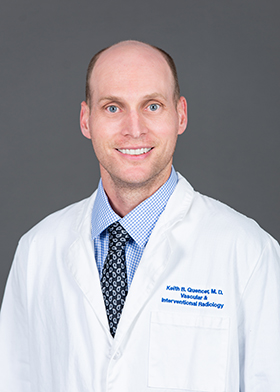
"We’re treating very sick patients, often the ones who have failed conventional therapy. Staying nimble and continually innovating allows us to provide leading-edge, life-saving treatment.”
Metro Interventional Radiology Section
The Metro IR Section provides complex, comprehensive interventional radiology care throughout several hospitals in the Portland metro area. The work is redefining how academic medicine serves the community.
We bring academic-level IR care to patients in hospitals in our community. Our innovative model means patients get the right level of care, in the right place, at the right time by:
- Treating more than 5,000 patients annually
- Offering image-guided care to patients who would not otherwise have it
- Making advanced minimally invasive and image-guided therapies available to more doctors, fellows and residents
- Preserving OHSU’s capacity for complex cancer, neurosurgical and cardiovascular care
- Recognizing complex conditions early and referring patients to specialized teams when necessary
Hospital partners
We work with hospitals across the Portland metro area, including:
- Legacy Good Samaritan Medical Center
- Legacy Emanuel Medical Center
- Legacy Mount Hood Medical Center
- Legacy Meridian Park Medical Center
- Hillsboro Medical Center
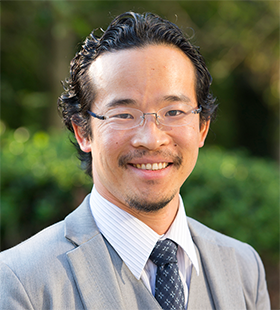
“We work in community hospitals, but we remain deeply rooted in the academic center where Interventional Radiology was born. It’s a powerful combination.”
Associate professor in the Department of Interventional Radiology and heads the Metro IR Section.
Neurointerventional Radiology Section
The Neurointerventional Radiology Section includes neurointerventional radiologists, neurosurgeons and neurologists who collaborate within the Dotter Department of Interventional Radiology.
- We use minimally invasive therapies to treat head, neck and vascular conditions
- We offer complex endovascular diagnostic procedures and therapeutic interventions for neurovascular disease
- We take part in numerous clinical trials to drive innovations in neurointerventional radiology
Clinical programs
Our section treats about 1,000 neuro IR cases each year. We work with the OHSU stroke program, the Northwest’s first certified Comprehensive Stroke Center. We offer interventions for:
- Chronic subdural hematoma
- Head and neck vascular and lymphatic malformations
- Percutaneous neurogenic pain
- Spinal augmentation
- Thrombotic and hemorrhagic stroke
Clinical trials and research
Our faculty participate in research assessing new treatments for stroke, aneurysms, chronic subdural hematoma and other neurovascular conditions. We run clinical trials and use data from day-to-day patient care to improve patient outcomes.
We’re also an early adopter of new IR technologies and techniques. We aim to accelerate breakthrough neurovascular care. Recent and current studies investigate:
- Aneurysm treatment studies using new devices and techniques
- Stroke treatment studies, including clot removal and blood flow restoration
- Embolization treatments for conditions like chronic subdural hematoma
- Venous stenting for idiopathic intracranial hypertension
- Large multicenter studies on carotid artery disease and stroke prevention
- Real-world studies of device safety and outcomes
- Comparisons of different endovascular treatments and technologies
Fellowship program
Our Interventional Neuroradiology/Endovascular Neurosurgery fellowship is a joint program with the Department of Neurosurgery.
The intensive two-year training prepares fellows to perform endovascular neurosurgical procedures of all kinds. You’ll train with neurointerventional radiologists, neurosurgeons and neurologists in clinical and research settings.
"Our cases are truly multidisciplinary. Neurosurgeons, neurologists and interventional radiologists work side by side to solve complex problems together. That kind of collaboration is rare in medicine.”
Associate professor in the Department of Interventional Radiology and the section head of Neuro IR.
Be part of something bigger
Portland VA Medical Center IR program
The VA IR program provides comprehensive interventional radiology care for veterans at the Portland VA Medical Center. As a national referral center for complex care, the Portland VA serves veterans across the western United States. You’ll find:
- One of the busiest peripheral arterial disease practices and SpyGlass biliary programs on the West Coast
- Technical innovations, including advanced 4D CT guidance imaging for IR procedures
- Clinical and procedural training for residents, who perform a large volume of complex cases
Clinical programs
We offer advanced oncology, biliary, vascular and trauma IR treatment for veterans. The Portland VA is the only West Coast solid organ transplant center in the VA system. Our clinical expertise includes:
- Interventions for liver cancer and disease prior to transplant
- Treatment for peripheral arterial, cancer, liver and aortic conditions
- Peripheral arterial disease revascularization
- Collaboration with specialists in cancer, cardiology, electrophysiology, OB-GYN, surgery and urology
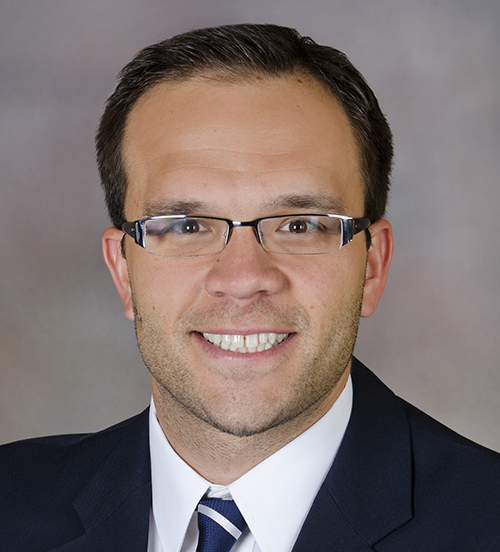
“We’re interfacing almost daily with cardiology, transplant surgery, urology and oncology to solve complex clinical problems for veterans.”