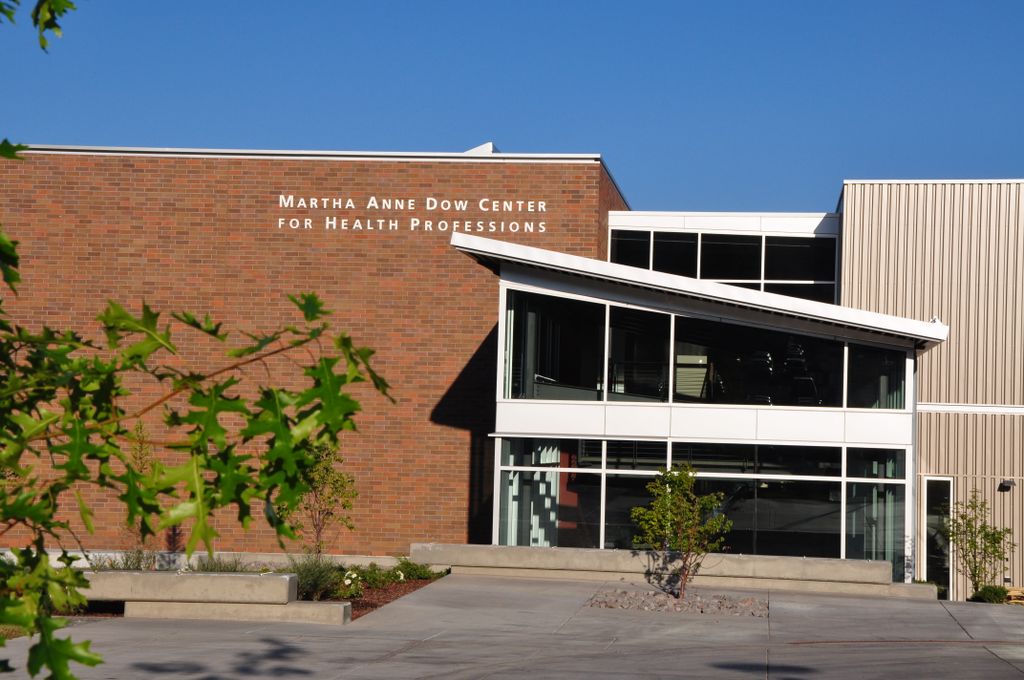
The OHSU Library presents a new oral history interview with Dr. Carol Craig. Dr. Craig discusses her career in nursing, with a focus on rural and community health, nursing education, and program development.
Early life and entry into nursing
Dr. Craig grew up in a military family and attended the University of California, Santa Barbara, where she earned a degree in anthropology. She later became a nurse thanks to the encouragement of nursing faculty while she worked as a science lab technician. She earned her associate degree in nursing from Lane Community College and began her career in a rural hospital in Seward, Alaska.
Rural practice and community health
Craig lived and later worked in a remote Alaskan homesteading community, serving as their school health nurse. She also provided basic health services and organized first responder training for the residents there. These experiences led to her interest in public health and community-based care.
Education and free clinic development
Craig earned a BSN and a master’s degree in psychiatric nursing from the University of Alaska. She later completed a doctorate in ethnography at the University of Colorado, focusing on elder care in rural communities. After relocating to Flagstaff, Arizona, she founded a free clinic, which eventually became a federally funded health center with multiple satellite locations. She also earned a Family Nurse Practitioner (FNP) degree and started an FNP program there.
Move to OHSU
Dr. Craig joined OHSU to help launch its first FNP program in Klamath Falls. She developed clinical sites and worked to keep the campus open during a time of low enrollment. She contributed to the development of the Oregon Consortium for Nursing Education (OCNE), which standardized nursing curricula across multiple campuses and improved access to baccalaureate education in rural areas.
Dr. Craig encourages nursing students to consider careers outside of hospital settings, emphasizing the impact nurses can have in community health. She believes that baccalaureate and advanced-degree nurses are essential for improving healthcare in rural communities.
Read (or watch) the full interview and explore over 150 others in the OHSU Oral History Program’s online collection.