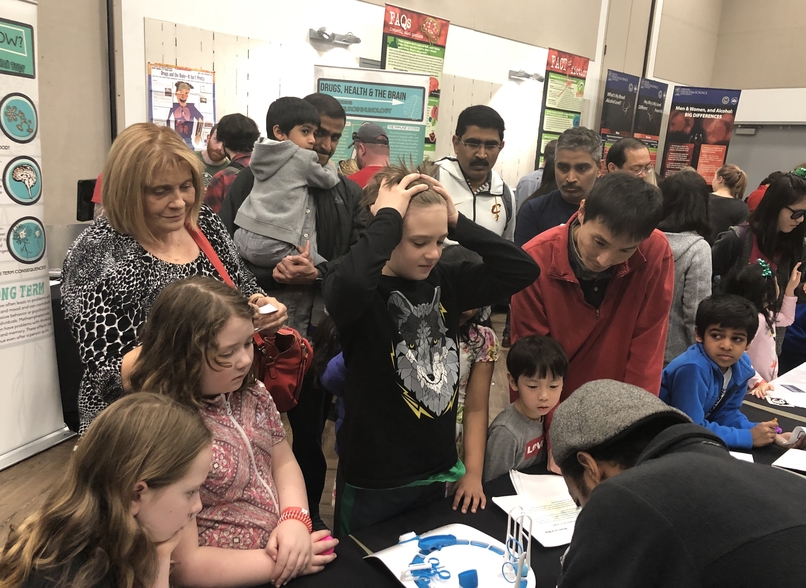
Brain Awareness Season
Brain Awareness Season began in 2000 as Brain Awareness Week. Now the months-long season attracts one of the largest groups of brain care experts, researchers and community members in the U.S. Thousands of participants gather to share information and learn about the power of our most important organ. All events are produced by the OHSU Brain Institute and are free and open to the public. They include:
- The opportunity to hear from global leaders in neuroscience at the Brain Awareness Lecture Series.
- A free workshop for educators of all levels to learn about what role neuroscience plays in the classroom at the Teacher Workshop.
- Interactive neuroscience activities for all ages at the Brain Fair.
Brain Awareness Lecture Series: A Meeting of the Minds
The 2024 Brain Awareness Lecture Series featured conversations – from basic scientists to clinicians to policy makers. This set of talks gave insight into how minds from all aspects of the scientific and societal spectrum can come together to advance what we know about the brain, furthering our quest in human health.
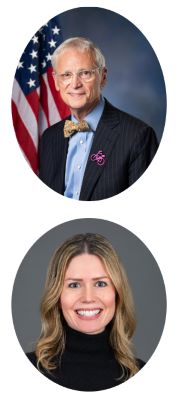
May 13, 2024 | 7 p.m. PT online | Celebrating a Neuroscience Legacy: A Conversation with Congressman Earl Blumenauer
Congressman Earl Blumenauer (D-OR 3rd District) has been a stalwart advocate for neuroscience research for decades. In 2010, he established the Congressional Neuroscience Caucus to enhance policies that support research and dissemination of discoveries. In 2013, the Congressman was a key advocate in establishing the BRAIN Initiative, a partnership between Federal and non-Federal entities to accelerate the development of neurotechnologies.
In this talk, Representative Blumenauer will be joined by Bonnie Nagel, Ph.D., Senior Associate Vice President for Research at OHSU, to reflect on his legacy, the successes of his policy advocacy, and what to expect in the future of federal funding. This event will also be a celebration of his tenure as we bid him best wishes in his retirement. Opening remarks will be made by John Ngai, Ph.D., Director, NIH BRAIN Initiative.
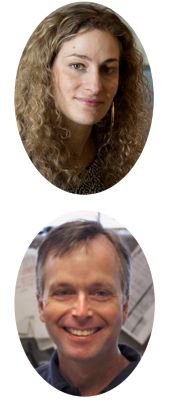
March 11, 2024 | 12 noon PT online | Hearing and the Brain: From Hair Cells to Hearing Restoration
Our amazing ability to hear someone speaking or listen to a violin concerto requires a journey from the outer ear all the way to the cerebral cortex. As we lose hearing, either from age or injury, all steps in this neuroscience journey of sound can be affected. In this talk, we will explore how hearing happens, and how we can address hearing loss using innovative approaches.
Angela Garinis, Ph.D., CCC-A, is Assistant Professor in the Oregon Hearing Research Center and Clinical Audiologist in the OHSU Department of Otolaryngology. She is a Principal Investigator at the VA Portland Health Care System’s National Center for Rehabilitative Auditory Research. Dr. Garinis holds funding from the National Institutes of Health and Cystic Fibrosis Foundation to improve our understanding of hearing and balance loss from aminoglycoside antibiotics.
Laurence Trussell, Ph.D., is Professor in the Oregon Hearing Research Center, and a Senior Scientist at the Vollum Institute, both at OHSU. He is funded by the National Institutes of Health. In 2023, Dr. Trussell was awarded the Discovery Award from the Oregon Medical Research Foundation for his studies of the mechanisms of auditory signaling in the brain.
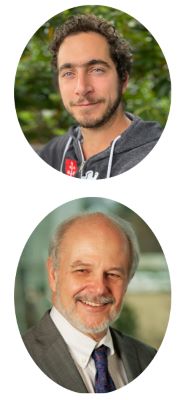
March 18, 2024 | 12 noon PT online | Emerging Insights into the Cellular Causes and Clinical Treatments for Schizophrenia
Schizophrenia is a devastating and heritable neurodevelopmental disorder that impacts around 1 in 100 people worldwide, leaving an immense burden on individuals, families, and society writ large. How do we reconcile emerging data about the genetic causes of schizophrenia with changes in the brain that often emerge around adolescence? How can clinical systems better treat individuals with schizophrenia? In this talk, we will take a deep dive into the basic science and treatment guidelines for this and related psychiatric disorders.
Arpiar “Arpy” Saunders, Ph.D., is Assistant Scientist, Vollum Institute at OHSU. He did his doctoral and postdoctoral training at Harvard Medical School before joining OHSU in 2020. In 2023, Dr. Saunders received the prestigious Rising Star Award from the One Mind Foundation, recognizing his innovative work in developing novel brain mapping technologies to study synaptic “rewiring” that might occur in animal models carrying gene mutations recently associated with schizophrenia.
George Keepers, M.D., is Elda V. Carruthers Professor and Chair of Psychiatry at OHSU. Dr. Keepers is the Chair of the American Psychiatric Association’s writing group that published the most recent edition of the Schizophrenia Treatment Guideline.
April 3, 2023 | 12 noon PT | Mental health and Long COVID: a neuropsychiatry perspective
Jordan Anderson, D.O., assistant professor of psychiatry and neurology, OHSU School of Medicine
In March of 2021, OHSU established one of the first Long COVID clinics in the country in order to better serve patients experiencing post-COVID symptoms for more than four weeks after the acute infection. One important aspect of this clinic is a comprehensive approach to mental health. In this talk, Dr. Jordan Anderson, director of the OHSU Long COVID Neuropsychiatry Clinic, will outline what we know about how the virus impacts cognition and mental health in the long term, and provide tips and strategies for ongoing management.
View the recording. (Password: yU3fGFgu)
April 10, 2023 | 12 noon PT | Is prevention of Alzheimer’s disease possible?
Aimee Pierce, M.D., associate professor of neurology, OHSU School of Medicine
The two strongest risk factors for Alzheimer’s disease are age and genetics, but there is hope for Alzheimer’s prevention, even if we can’t turn back the clock. In fact, many other risk factors for Alzheimer’s disease have been identified, including diet, exercise, and sleep. Novel clinical trials which combine lifestyle interventions or test new pharmacological treatments, such as lecanemab, the newest drug approved on January 6 of this year by the FDA, may provide a basis for the prevention of Alzheimer’s disease in the future. Dr. Aimee Pierce, associate professor of neurology and Director of Clinical Care and Therapeutics in the Layton Aging and Alzheimer’s Disease Center, will give a tour of the landscape of Alzheimer’s disease prevention.
View the recording. (password: aFCCzq8n)
April 17, 2023 | 12 noon PT | Psilocybin and Oregon: what to expect in 2023 and beyond
Atheir Abbas, M.D., Ph.D., assistant professor of behavioral neuroscience and psychiatry, OHSU School of Medicine
In 2020, Oregon was the first state in the nation to approve a regulatory framework for legally providing psilocybin services to the general public. Over two years later, we are at the cusp of the implementation of the rules around how a person can consume psilocybin within a state-level regulatory framework. Dr. Atheir Abbas, member of the Oregon Psilocybin Advisory Board and assistant professor in the Departments of Behavioral Neuroscience and Psychiatry, will provide a review of what is psilocybin and how it can be used, how we got to where we are in Oregon policy, and what to expect in the next year.
View the recording. (Password iGYTs7mt)
May 4, 2022 | 12 noon PT | Watching the fetal brain develop: Can MRI help predict neurological disorders?
Christopher Kroenke, Ph.D., professor, Advanced Imaging Research Center and Oregon National Primate Research Center's Division of Neuroscience, OHSU
In the second half of pregnancy, the brain of a fetus grows dramatically. During this time the outer surface changes from smooth to the folded, wrinkled appearance we typically associate with brains. Meanwhile, the cells inside the brain are growing, dividing and changing shapes. Is there a connection between these two processes, and could such a link help determine whether a person develops a neurological disorder?
In celebration of OHSU Research Week, Christopher Kroenke, Ph.D., will share his research using MRI (magnetic resonance imaging) to observe fetal brain growth and cell changes. Thanks to the safety and advancement of MRI it’s possible to watch these changes over time with the goal of developing new strategies for predicting neurological disorders.
May 12, 2022 | 4 p.m. PT | Micronutrients for mental health: Exploring the impact of vitamins and minerals on ADHD, anxiety, stress and mood disorders
Jeni Johnstone, Ph.D., clinical psychologist and assistant professor of Psychiatry, Division of Child and Adolescent Psychiatry, OHSU
It’s no secret that eating well can improve your physical health, but a good diet is just as important for your mental health, a fact our ancestors knew. Over the decades our diets have deteriorated along with the understanding of how nutrition affects mental health.
Some people can maintain good mental wellness with a healthy diet. But for others, eating a healthy diet is not enough and nutrient supplementation is necessary. Join OHSU assistant professor Jeni Johnstone, Ph.D., for a journey into what we’ve known and are re-learning about nutrition's impact on mental health, and hear the latest research on how vitamin and mineral supplements impact a range of mental health conditions.
May 18, 2022 | 4 p.m. PT | The computer-connected brain: 21st century treatment of epilepsy and brain cancer
Ahmed Raslan, M.D., associate professor of Neurological Surgery; director of Epilepsy and Brain Mapping, OHSU
Join neurosurgeon Ahmed Raslan, M.D., for a fascinating look at the future of awake brain surgery and how new technology promises better results for people with treatment-resistant epilepsy. Raslan and a team of researchers at OHSU and UC San Diego received a $12.25 million NIH grant to develop film-like sensors that show brain activity in resolution that is 100 times higher than what is currently available. A high resolution improves a surgeon’s ability to conduct surgery with greater precision.
The OHSU team brought their expertise with awake brain surgery to the project. In epilepsy surgery, the goal is to remove as much of a tumor or lesion without damaging nearby tissue. Using this new technology, Raslan has identified epileptic brain activity never seen before. The sensors will likely have uses far beyond epilepsy, opening up new understandings of the brain and how it functions.
A recording of this lecture is not available.
May 5, 2021 | 12 noon PT | Zebrafish and the Secret to Brain Development
Kelly Monk, Ph.D., Co-director and Professor, OHSU Vollum Institute
In celebration of Research Week, OHSU is proud to share the ground-breaking research of Professor Kelly Monk, Ph.D.
Zebrafish, a popular aquarium fish, can reveal the inner workings of the nervous system, according to exciting research from OHSU Professor Kelly Monk, Ph.D. Dr. Monk will share insights on her team’s recent discoveries and how they are opening up opportunities to learn more about brain biology and neurological disease.
With their transparent bodies, zebrafish larvae provide a unique opportunity to see a living nervous system in action including all the different cell types that make up a functional brain. Although historically, studies of the nervous system have focused on neurons, neurons only represent about half of the brain. Dr. Monk and her team study the other half – a diverse group of cells called glia. Using sophisticated tools, Dr. Monk’s team is able to capture the birth and behaviors of several different glia in the brain including how they interact with each other and with neurons. Taking advantage of the fact that zebrafish live in water, Dr. Monk and her team are also able to perform large-scale chemical screens to find drugs that impact nervous system development and health. Understanding the role glia play in the brain will be key to understanding devastating neurological diseases like multiple sclerosis, peripheral neuropathies, Alzheimer’s, and autism.
View the recording.
May 12, 2021 | 4 p.m. PT | Psychedelic Therapy: The Science and Safety of Psilocybin
Chris Stauffer, M.D., Assistant Professor of Psychiatry, OHSU
In November 2020, Oregon became the first state to legalize the therapeutic use of psilocybin mushrooms. Join OHSU Assistant Professor of Psychiatry Chris Stauffer, M.D., on a journey through the history, research and modern-day application of psychedelic therapy.
Over the past several years, psilocybin has gained a lot of attention: from ground-breaking research, to Michael Pollan’s best-selling book How to Change Your Mind, to the U.S. Food and Drug Administration granting psilocybin “breakthrough therapy” status. Dozens of scientific reports have demonstrated psilocybin’s effectiveness in treating mental health conditions, like depression and addiction. Dr. Stauffer will describe a course of facilitated psilocybin treatment and the future of psilocybin research and clinical practice.
View the recording.
May 19, 2021 | 4 p.m. PT | COVID-19 and the Brain: What do we know?
Peter Spencer, Ph.D., Professor of Neurology, OHSU
Juliette Preston, M.D., Assistant Professor of Neurology, OHSU
Jacqueline Bernard, M.D., Associate Professor of Neurology, OHSU
Andrew Natonson, M.D., M.S., Assistant Professor of Neurology, OHSU
Some people who contract COVID-19 have no symptoms, while some have serious, long-lasting health issues. Peter Spencer, Ph.D., and Juliette Preston, M.D., will give an overview of what the international and local OHSU communities are doing to track the full-body effects of COVID-19, particularly on the brain.
Following their talks, Jacqueline Bernard, M.D., and Andrew Natonson, M.D., will join this panel discussion on what we know about COVID-19, the nervous system, and what it might do in the brain. Viewers will have the opportunity to ask questions of our expert panelists.
View the recording.
Vaccines: Autism and Other Myths - Solving today’s public health crisis
Peter Hotez, M.D., Ph.D., Baylor College of Medicine
COVID-19 has impacted our lives in ways never thought imaginable. Dr. Hotez virtually joined our Portland community to discuss a history of vaccines, COVID-19 vaccine development, the anti-vax movement, and his personal story as the father of a daughter with autism.
This event was not recorded.
The Neuroscience of Pleasure: How your brain responds to music, love and chocolate
Larry Sherman, Ph.D., Professor, Oregon National Primate Research Center, OHSU
This event was cancelled due to COVID-19.
Machines and the Mind: Advances in brain-computer interface
Leigh Hochberg, M.D., Ph.D., Massachusetts General Hospital
This event was cancelled due to COVID-19.
Good Vibes Only: Treating Addiction with Mindfulness
Katie Witkiewitz, Ph.D., Professor, Department of Psychology, University of New Mexico
Can using mindfulness and meditation techniques help people reduce the intake of harmful substances and prevent relapse? Come hear about intriguing new scientific data on mindfulness and brain stimulation in addiction recovery.
Lifestyle Tweaks for Teen Psychosis
Lynne Shinto, N.D., M.P.H., Professor of Neurology, Oregon Health & Science University
For teens with schizophrenia-spectrum disorders, the medication they need can also lead to an inactive lifestyle, with potentially negative long-term health effects. Can simple activities like yoga, meditation and cooking meals offset medication side effects and reduce psychotic symptoms?
Magic Mushrooms: Easing Depression and Anxiety at End of Life
Anthony Bossis, Ph.D., Clinical Assistant Professor, Department of Psychiatry, New York University
Could the ancient practice of using psychedelic compounds for insight and healing have a legitimate and safe role in today’s health care? For many people, receiving a fatal diagnosis leads to psychological suffering, including anxiety and depression. Discover the intriguing implications of psilocybin-facilitated experiences in offering a sense of connection, meaning and transcendence at the end of life.
Trade Food for Thought to Power 86 Million Neurons
If an elephant has such a large brain, why aren't they smarter than primates? What biologic discovery led some primates to an evolutionary crossroads of cognitive capability? Suzana Herculano-Houzel, Ph.D., Associate Professor of Psychology and Biological Science, Vanderbilt Brain Institute, Vanderbilt, will explain why you may be surprised by the answer.
No presentation is available to view.
The "Secret Sauce" to Honing the Mind
Executive function skills - self-control, perseverance, creativity - are more predictive of success than IQ. What supports and what hinders these skills? Adele Diamond, Ph.D, Canada Research Chair Tier 1 Professor of Developmental Cognitive Neuroscience, University of British Columbia, will discuss the benefits of play and movement.
Anxiety and Learning Problems: Could it be the Fats You Eat?
As essential nutrient our brains need for developing and maintaining our mental muscle and moods has been systematically removed from the modern diet - for convenience and "health food." Without it, we can't think, focus or control ourselves as well. Bita Moghaddam, Ph.D., Ruth Matarazzo Professor and Chair, Department of Behavioral Neuroscience, OHSU, shows how food matters in youth and age.
No presentation is available to view.
The Criminal Brain
Why do some people live lawful lives, while others gravitate toward repeated criminality? Do people choose to be moral or immoral, or is morality simply a genetically inherited function of the brain, like mathematical ability? Research suggests certain regions of the brain influence moral reasoning. Dr. Octavio Choi will explore how emerging neuroscience challenges long-held assumptions underlying the basis—and punishment—of criminal behavior.
Touch: The Science of Hand, Heart and Mind
Dual-function receptors in our skin make mint cool and chili peppers hot. Without the brain's dedicated centers for pleasure and emotional touch, an orgasm would feel more like a sneeze—convulsive, but not especially nice. Dr. David Linden, New York Times-best-selling author of The Compass of Pleasure, delves into how the organization of our body's touch circuits is a complex and often counterintuitive system that affects everything from social interactions to general health and development.
Sleep, Memory and Dreams: Putting It All Together
It's no secret that without a good night's sleep we feel mentally sluggish. But what does our brain do while we sleep? Is there a scientific reason we dream? Dr. Robert Stickgold will explore why dreaming and sleep are key to retaining, strengthening and processing new memories and skills.
Alcohol and the brain
The positive health benefits of red wine have been popular news headlines for many years. In moderation, alcohol has been seen to improve cardiovascular health, immune system response, and even prevent gallstones. On the other hand, the negative health and social impacts of alcoholism are apparent in just as much news coverage. Dr. Kathleen Grant explores how behavioral neuroscience informs how, why, and when the risks of alcohol may outweigh the benefits.
Gaming and the brain
The generation just coming of age has been exposed to more electronic technology than any one prior to it. Video games in particular have drawn scrutiny as influencing the obesity epidemic, attention deficits, and pronounced violence of our youth. They also show promise as educational tools, memory enhancers, and improving high-level thinking. Dr. Adam Gazzaley presents the science behind your brain on games.
Marijuana and the brain
Oregon recently joined only three other states to legalize recreational marijuana. As consumption of the plant's products becomes more a mainstream activity, its health benefits and risks will be at the forefront of policy discussions. Dr. Nephi Stella explains the role marijuana plays in cutting edge neuroscience research.
The quest for consciousness
What is consciousness? What is hiding in our unconscious mind? And how can you harness both for a more fulfilling life? Consciousness is like an orchestra, and our brain is its conductor. Stemming in part from a long-standing collaboration with the late Nobel Laureate Francis Crick, Christof Koch, Ph.D., will be exploring how the flickering of nerve cells in the brain leads to information processing and the unforgettable experiences that make us who we are.
Alzheimer's disease is a world affair
Alzheimer's tops the list as the most feared diagnosis — even more than cancer or heart disease. It's for good reason: One in three people will die with Alzheimer's or some form of dementia. But Nicolas Bazan, M.D., Ph.D. has created a message of exploration and hope: Although Alzheimer's silences the mind, science can help solve the puzzle of the disease. In addition to being a scientist, Dr. Bazan is also the executive producer of the movie Una Vida: A Fable of Music and the Mind, based on his book which has won several film festival awards.
Touching a nerve: the self as brain
Increasingly, philosophers have come to recognize that understanding how the brain works is also essential to understanding the mind. Patricia Churchland, B.Phil., a ground-breaking philosophical neuroscientist, author, educator and MacArthur Award winner will explore the impact of scientific developments on our understanding of consciousness, the self, free will, decision making, ethics, learning and religion.
Breaking the brain: the impact of concussion at any age
Robert Stern, Ph.D.
During collision sports such as football, the developing brain is at particular risk. Nearly 10 percent of athletes in contact sports suffer from concussions: about 135,000 each year for athletes between the ages of five and 18. Concussion rates in the high school game are 78 percent higher than in college, and brain injuries such as concussion lead to structural changes. Concussion may be a risk factor for mood swings, behavioral problems, motor dysfunction and even Alzheimer's disease—especially for football players who start very young. Robert Stern, Ph.D., one of the world's top researchers on the effects of trauma on the brain, will discuss concussion at all ages.
Art and the learning brain
At a critical time in public education, critics are scrutinizing all aspects of curriculum and teaching styles. As it turns out, arts integration actually improves memory, retention and creativity. Mariale Hardiman, Ed.D. has developed a rich exchange between teachers and neuroscientists. The results are showing in teacher and parent satisfaction, classroom atmosphere and student outcomes: Her Brain-Targeted Teaching Model is recognized as a national model for both arts programming and integration.
The brain and concussion: What is the impact of traumatic brain injury on soldiers and society?
While the General Peter Chiarelli, former U.S. Army General and chief executive officer of the non-profit One Mind for Research won't be able to present his lecture in person in Portland, he has prepared a video presentation for the Portland audience. And he has sent One Mind for Research's chief financial officer, Janet Carbary, to speak about their group's work to fund research to treat and cure traumatic brain injuries and other brain injuries and diseases. Congressman Blumenauer, the founder of the Congressional Neuroscience Caucus will be at the lecture and will speak to these issues.
The brain and the heart: Does brain health equal heart health?
Is there such a thing as brain food? What is lifestyle medicine? Brain and heart degeneration can be altered very profoundly, but it needs to happen earlier, before symptoms of decline appear. Learn the very latest on the best ways to improve brain and heart health, along with new research related to the brain/heart connection. Joe Quinn, M.D., and Kent Thornburg, Ph.D., lead a discussion.
The brain and the adolescent mind: Why is it so special and vulnerable at the same time?
Bonnie Nagel, Ph.D.
Associate Professor, Division of Child and Adolescent Psychiatry, OHSU Doernbecher Children's Hospital; member, OHSU Brain Institute
The brain and cancer: How does your brain affect cancer — and its future treatments?
Joe Gray, Ph.D.
Gordon Moore Endowed Chairman, OHSU Department of Biomedical Engineering; Director, OHSU Center for Spatial Systems Biomedicine; associate director for translational research, OHSU Knight Cancer Institute
Creating brain resiliency: What is the secret to healthy aging?
Richard Hodes, M.D.
Director, National Institutes of Health, National Institute on Aging, Bethesda, Maryland
The subconscious mind: What are our deep and secret thoughts?
David Eagleman, Ph.D.
Director, Laboratory for Perception and Action; director, Initiative on Neuroscience and Law; author, Incognito: The Secret Lives of the Brain, Baylor College, Houston, Texas
Deep brain stimulation: What can probing deeply into the brain do?
Kim J. Burchiel, M.D.
Co-founder, OHSU Brain Institute; Raaf chair, OHSU Department of Neurological Surgery; president, Society of Neurological Surgeons, Portland, Oregon
The latest research in autism: Why is autism like a broken mirror?
Eric Fombonne, M.D.
Director, Autism Research Center, OHSU Brain Institute; professor, OHSU Department of Psychiatry, Portland, Oregon
Neuroimaging: How do we peer deeply into the brain?
Marcus Raichle, M.D.
Professor of radiology, neurology, neurobiology and biomedical engineering
Washington University in St. Louis
Nature vs. nurture: A story of adoption, reunion, neuroscience and shock therapy
Larry Sherman, Ph.D.
Senior scientist, Oregon National Primate Research Center, OHSU Brain Institute; professor, OHSU Department of Cell and Developmental Biology; president, Oregon Chapter of the Society for Neuroscience, Portland, Oregon
Alzheimer's and the brain: What can we do?
Gary Small, M.D.
Director, UCLA Center on Aging, Los Angeles
Alzheimer's disease affects five million people in the U.S. It's true that we have no "cure" for the disease, but Dr. Small shows how genetics account for only part of the risk. Multiple, large-scale studies have found healthy lifestyle choices lower risk and may delay the onset of symptoms, sometimes for years. The only "cure" for Alzheimer's is prevention, and the Alzheimer's Prevention Program shows how to take control.
Law, ethics, humanity and the brain: How do they get along?
Henry Greely, J.D.
Director, Stanford Law School Center for Law and Bioscience, Stanford
Neuroscience increasingly allows us to explain, predict, and even control aspects of human behavior. The ethical issues that arise from these developments extend beyond the boundaries of conventional bioethics into philosophy of mind, psychology, theology, public policy and the law. In classrooms, courtrooms, offices and homes around the world, neuroscience is giving us powerful new tools for achieving our goals and prompting a new understanding of ourselves as social, moral and spiritual beings.=
New understandings of the brain: Why do we need them and what do we do with them?
Alan Leshner, Ph.D.
Executive Director, American Association for the Advancement of Science, Washington, D.C.
Advances in neuroscience are raising medical hopes for millions of people. Once futuristic ideas are now becoming reality and improving the lives of soldiers, accident victims and others. But with these benefits come critical social and ethical issues.
Creativity and the brain: What is it, who has it and how do we achieve it?
Jonah Lehrer
Author, Imagine: How Creativity Works and Proust Was a Neuroscientist, Los Angeles
Can we learn how to be more creative? As it turns out, we can, says Jonah Lehrer. Lehrer is the journalist whose writings on neuroscience—for Wired, The New Yorker and The New York Times Magazine, among others—become immediate flashpoints for discussion. In his new book, Imagine: How Creativity Works, Lehrer, the bestselling author, most recently of How We Decide, shows us that creativity is not some near-mystical trait that some people seem to possess, and which others try desperately to capture. We can—all of us—take practical steps to become more creative in everything we do.
Addiction and the brain: What is the toll it can take on the brain and on society?
Nora Volkow, M.D.
Director, National Institute on Drug Abuse, Bethesda
Addiction is both subtle and profound. It sneaks up on individuals and ruins families. Through neuroscience, we know more about addiction today than ever before. One of the country's leading experts on addiction, Dr. Nora Volkow, will explore how addiction starts, what it is and what can be done about it. She will present the most current findings on addiction which could ultimately lead to breakthroughs in preventing it.
The brain on fire: Can inflammation cause diseases that destroy the brain?
Story Landis, Ph.D.
Director, National Institute for Neurological Disorders and Stroke, Bethesda
Inflammation is part of the body's natural immune response to tissue damage. However, chronic inflammation is associated with many diseases. Why does the brain "turn on itself?" What is neuroinflammation? In the brain, it's thought to play a role in aging and neurodegenerative diseases, such as Parkinson's and Alzheimer's.
By linking so many illnesses to inflammation, researchers are now rethinking their assumptions about what makes us sick and looking for ways to treat inflammation—and perhaps avoid these outcomes. Much of the scientific work that is discovering the causes and potential treatments for such neuroinflammatory diseases is being done by The National Institute for Neurological Disorders and Stroke (NINDS).
Window into the brain: a new approach to depression
Helen Mayberg, M.D.
Emory University
Deep Brain Stimulation (DBS) is a revolutionary technology—electrodes implanted in the brain so that low-voltage electrical currents stimulate regions to counteract disease. This relatively new medical technique, already benefitting thousands of Parkinson's disease patients, may one day be employed to treat a wider range of diseases including: depression, obsessive-compulsive disorder, Tourette's syndrome, dystonia, chronic pain and depression.
From genes to brains: a new understanding of autism
Daniel Geschwind, M.D., Ph.D.
UCLA
Autism is a tragic disease, for the patient and for the family. It is a poorly understood disorder. Nevertheless, the frequency among U.S. children is greater than that of pediatric cancers, diabetes and AIDS combined. Even more concerning: the prevalence of autism is increasing—one of every 110 children is diagnosed with the disease. In recent years, few medical conditions of childhood have stoked deeper concern—and ignited greater controversy. What is happening? Where does it come from? What can be done?
Pain and the brain: perception and the pathways to relief
Howard Fields, M.D., Ph.D.
UCSF
Pain is both a sensation and a motivation. Our expectations, mood and perspective on pain powerfully influence how much something actually hurts—and the decisions we make every day. The relief of pain and production of pleasure are closely related functions in the brain. Both have strong influences upon and are influenced by learning. Most people think of pain as a result of physical injury or disease, but psychological factors also play a huge role in pain perception. Pain is intimately tied to brain functions that govern behavior and decision making, including expectation, attention and learning. Pain competes for our attention and reaches far into our psyches. Neuropathic pain is especially difficult to live with and to treat. It is the result of damage to the body's nervous system and can cause excruciating pain.
The brain and the immune system: How the body can turn on itself and cause such problems as M.S., Alzheimer's, Parkinson's, stroke and other disorders
Stephen Hauser, M.D.
UCSF
Sometimes our bodies turn on us. The immune system becomes our own worst enemy. This can especially happen with the brain and nervous system causing a neuro-inflammatory response that can lead to such diseases as MS, Alzheimer's, Stroke, and Parkinson's. Neuroinflammation is a new and rapidly expanding field that has revolutionized our understanding of chronic neurological diseases. This field has grown to encompass researchers with backgrounds in many diverse fields, including pathology, biochemistry, molecular biology, genetics, clinical medicine, and epidemiology. Important contributions to this field have come from work with populations, with patients, with postmortem tissues, with animal models, and with in vitro systems.
How we decide: from brains to behavior
Jonah Lehrer
Author, "How We Decide"
At times, man is faced with life or death decisions or forced to make choices that have lifelong impacts. But how exactly does the brain make decisions when faced with complex problems? Are our brains efficient and well equipped to make choices? At what age do we develop good decision making abilities and why are some of us better equipped to make tough choices? Does reason or emotion rule?
Battling brain disorders: the critical importance of mental health advocacy for the individual and for society
Congressman Patrick Kennedy, Rhode Island
Congressman Earl Blumenauer, Oregon, filled in when Congressman Patrick Kennedy was not able to attend
The mercurial mind: bipolar disorder and creativity
Kay Redfield Jamison, Ph.D.
Psychiatrist and author
How can one survive if their brain is constantly riding an emotional rollercoaster? That is a question faced by those who suffer from bipolar disease, otherwise known as manic-depressive illness.This relatively common mental disorder can cause unusual shifts in mood, energy, activity levels, and even influence one's ability to carry out day-to-day tasks. It can also lead to unbridled exuberance and creativity. What does make the artistic temperament so unique and so volatile?
The emotional brain: the mysterious underpinnings of emotional life
Joseph LeDoux, Ph.D.
Henry and Lucy Moses Professor of Science and Professor of Neuroscience and Psychology
New York University
We know our emotions by their intrusions (welcome or otherwise) into our conscious minds. Understanding emotion in the human brain is clearly an important quest, as most mental disorders are emotional disorders. Emotions become powerful motivators of future behaviors. Mental health is maintained by emotional hygiene and mental problems, and to a large extent reflect a breakdown of emotional order.
The executive brain: the frontal lobes and the civilized mind
Jordan Grafman, Ph.D.
Chief of the Cognitive Neuroscience Section
National Institute of Neurological Disorders and Stroke
Can the characteristics of leadership be defined and mapped in the brain? Can we change our own brains to resemble those of outstanding leaders? Are there training programs for more "leader-like' brains? Is there such a thing as "executive intelligence"?
Neuroplasticity: The amazing adaptability of the brain
Mike Merzenich, Ph.D.
University of California, San Francisco
The arts and cognition panel
Featuring: Helen Neville, Ph.D. (University of Oregon), Chris Coleman (Portland Center Stage), Dan Wieden (Wieden + Kennedy), Mike Posner, Ph.D., (University of Oregon)
Aging brain plasticity: It's never too late to learn or improve
Carl Cotman, Ph.D.
University of California, Irvine
10th anniversary celebration of OHSU Brain Awareness: Brain Chemistry for Lovers
Valerie Day, with Portland Chamber Orchestra, Pianist Darrell Grant and Larry Sherman, Ph.D., Oregon National Primate Research Center
In search of memory
Eric Kandel, M.D.
Many adults can easily recall their childhood phone number or school locker combination. Where are these memories stored in the mind and how can we hold on to them for so many years? Answering questions like these earned neuroscientist Dr. Eric Kandel the Nobel Prize. Hear how his memory research helped form the basis of modern neuroscience. You may also learn why you always forget where you left your car keys.
The developing human brain
Pat Levitt, Ph.D., Vanderbilt University
Do our childhood experiences affect the development our brains? Is it possible to prevent depression or disability by addressing these problems early in life? Dr. Pat Levitt is an expert in diagnosing and disrupting abnormal brain development. As a parent, learn what you can do to spot early warning signs and attack brain disorders head on.
55 minutes
Gender and the brain
Larry Cahill, Ph.D.
Men may be from Mars and women may be form Venus, but sometimes it feels like we're from different solar systems entirely. Dr. Larry Cahill is an expert on gender and the brain. His research has identified the many differences and similarities between the male and female brains and has resulted in some mind-boggling findings. Hear how our brains can sometimes cause conflict but often compliment one another.
The sleeping brain
Al Lewy, M.D., Ph.D.
Oregon Health & Science University
Can sleep improve your memory and your mood? What's more important when it comes to sleep, quantity or quality? Distinguished sleep neuroscientist and body clock expert, Dr. Al Lewy reveals the silence of sleep in a lively lecture guaranteed not to make you drowsy.
2007
Hearing and the brain
Teresa Nicolson, Ph.D., OHSU Daniel J. Levitin, Ph.D., McGill University
The senses and substances
Martin Paulus, M.D., University of California, San Diego
Vision and the brain
David Wilson, M.D., Casey Eye Institute, OHSU
Pain and the brain
Alan Basbaum, Ph.D., University of California, San Francisco
Our sense of self
John Frohnmayer, former chairman of the National Endowment for the Arts
Behavior and addiction and the brain
Bob Hitzemann, Ph.D., Oregon Health & Science University
John Crabbe, Ph.D., Oregon Health & Science University
The bard on the brain: Understanding the mind through the art of Shakespeare and the science of brain imaging
Paul Matthews, M.D., Oxford University
2003
The brain/body connection: Inside the mind of Ira Flatow
Ira Flatow, award-winning host of NPR's "Talk of the Nation: Science Friday", shares his passion for all things scientific.
Teacher Workshop
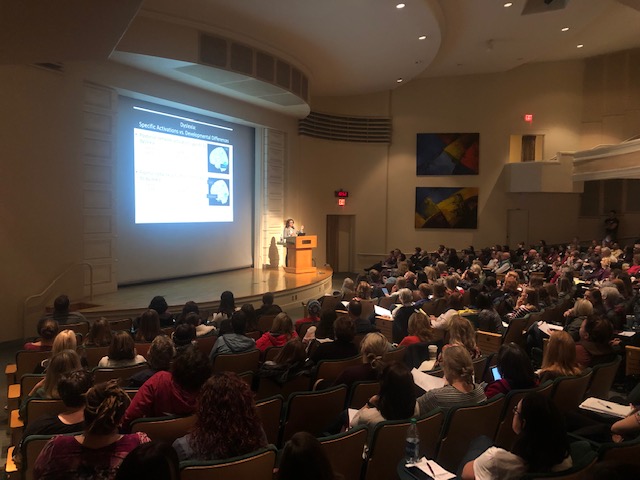
Sponsored in partnership with OHSU's Office of Science Education Opportunities, The Moore Institute for Nutrition and Wellness and the OHSU Brain Institute, the annual Teacher Workshop is a unique opportunity designed to give teachers an insight into what role neuroscience and early life nutrition and wellness play in the classroom.
Participants will receive a certificate of completion for three hours of education. Some states accept this as continuing education units.
This event took place Saturday, Mar. 16 | View the recording Passwword: eW4NWBfg
Understanding Medical Autism Diagnosis and Setting Up Success for Autistic Students
View the slides
Medical diagnostic evaluations for autism cover a broad range of functioning across settings, including schools. Findings from those evaluations can be used to develop or refine educational support plans for students. However, educators, administrators, parents and the learners themselves may still find it difficult to navigate systems that do not typically cater to all perspectives. In this talk, Drs. Greene and Kivel will outline what is involved in autism evaluations, and provide tools to create a successful support system for the learner, their social circles and families.
Rachel Greene, Ph.D., is assistant professor of pediatrics at OHSU’s Doernbecher Children’s Hospital where she assesses and treats children and teens with complex developmental and medical needs. She has advanced training in assessing children for autism. She specializes in evaluating how children and teens: develop, understand their environment and learn, behave, express and manage emotions, and interact with other people.
Matt Kivel, Psy.D., is assistant professor of pediatrics at OHSU’s Child Development and Rehabilitation Center. Dr. Kivel is an expert in helping families understand their child’s strengths and areas of growth. He provides assessments to help families understand if autism or other neurodevelopmental differences are contributing to any of their child’s struggles. He also helps children and teens with chronic medical conditions understand how to better manage these conditions to allow them to do the things that they want to do.
Micronutrients for Attention Deficit/Hyperactivity Disorder in Youth
Micronutrients formula has demonstrated to be effective in managing symptoms, like emotional dysregulation, in children with attention deficit/hyperactivity disorder. Drawing from her expertise as a Naturopathic Doctor and postdoctoral researcher at Oregon Health & Science University, Hayleigh Ast, N.D., explores the intricate connections between nutritional factors and ADHD. In this talk, Dr. Ast will elucidate the latest research findings on specific micronutrients and their impact on cognitive function, emphasizing their potential as modifiable factors in managing ADHD symptoms. The talk will further addresse the identification of crucial biomarkers, such as those found in gut bacteria, metabolites, and immune markers, providing educators with insights into the biological underpinnings of ADHD. Dr. Ast's presentation will empower teachers and administrators with valuable knowledge to support the well-being of their students, fostering a deeper understanding of the intersection between nutrition, micronutrients, and ADHD.
Hayleigh Ast, N.D., is a naturopathic doctor and postdoctoral research in the Science of Nutrition, Affect, and Cognition in Kids (SNACK) Lab. She received her B.S. in Neuroscience from Allegheny College in Meadville, PA and her naturopathic doctor degree from the National University of Natural Medicine in Portland, OR. She joined the SNACK Lab during medical school as a volunteer and has continued working with the lab throughout her residency, which she completed at the University of California Irvine - Susan Samueli Integrative Health Institute. Her clinical research for her post-doc focuses on gut microbial health and integrative analyses such as organic acid testing in the ADHD youth populations. Dr. Ast holds a clinical practice at Neurotherapeutic Pediatric Therapies Inc. in Oregon City.
2023: "The pandemic's persistent effects on our children and ourselves: A child psychiatrist's perspective for schools" (Password: xEqVQsn2)
View Dr. Jetmalani's slides.
"From evidence to action: How can we build systems to promote children’s nutritional health with a focus on equity?" (no recording is available)
View Dr. McLoughlin's slides.
2022
"Concussion and the classroom"
2021
"Teaching in the Age of Social Media"
"Be Physically Active 2Day!"
"Live Questions and Answers"
2019
"Dyslexia: Connecting the Science of Reading to the Practice of Reading"
2017
"Your Racist Brain" and "The Transmission of Harmful Psycho-social Experience across Generations"
2015
"How Children Learn"
Teacher Workshop
When: Stay tuned for the date in 2025
Where: Online
Cost: This event is free and all are welcome.
Brain Fair
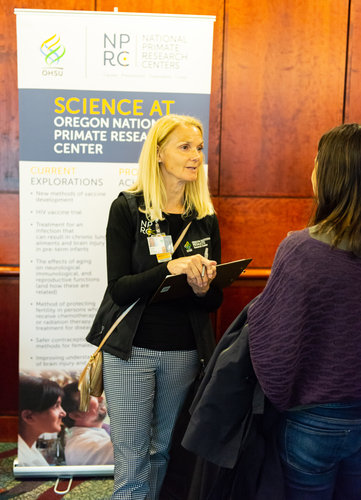
Discover the amazing things our brains can do at our free Brain Fair. Science fans of all ages will be fascinated by hands-on exhibits, displays and more.
This event took place Saturday, April 6, 2024. Stay tuned for the 2025 event!
Past interactive booths:
- Youth Engaged in Science (YES!)
- NW Noggin
- Methamphetamine Abuse Research Center
- Portland Alcohol Research Center
- Oregon Poison Center
- Translational Research of Adolescent Change Lab
- OHSU Library
- OHSU Sleep Program
- Neurosciences Intensive Care Unit
- Assistive Technology Research Group
- Women in Science Portland
- Oregon National Primate Research Center
- National Multiple Sclerosis Society
- Balance Disorders Lab
- Epilepsy Foundation Oregon
- Alzheimer's Association Oregon Chapter
- Hydrocephalus Association
- Department of Neurological Surgery
- ... and more!
Fair information
When: Stay tuned for the date in 2025
Where: Oregon Museum of Science and Industry, 1945 SE Water Street, Portland, OR
Cost: This event is free and no museum admission is required.
Questions: Email orbrains@ohsu.edu