Neonatal-Perinatal Medicine Fellowship
Message from program leadership
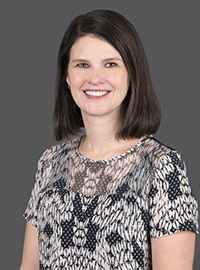
Welcome to the Doernbecher Children’s Hospital at Oregon Health & Science University (OHSU) Neonatal-Perinatal Medicine Fellowship.
We are excited that you are interested in exploring our fellowship program and considering joining us at OHSU!
We are committed to training leaders in Neonatology. We believe that the best method to achieve this is to create an individualized educational and scholarly experience for each fellow. Starting soon after match, our leadership team begins thinking about each fellow's interests and individual trajectory and how we can best support this during fellowship. At the core of neonatal-perinatal medicine training is a strong clinical foundation. Our fellows graduate with the ability to manage infants with complex neonatal pathophysiology, including extreme prematurity, complex surgical problems, outcomes of fetal surgery and congenital heart disease. As the only academic medical center in the state of Oregon, we serve as a regional quaternary referral center for both maternal and neonatal health. In addition to clinical training, our fellows spend approximately half of their three years with us focused on individualized academic pursuits including basic science, translational, clinical, medical education, health services, bioinformatics and quality improvement work.
Beyond the educational opportunities you will find at OHSU, our strength in training is fostered by the strong sense of community within the fellowship, division, institution and region at large. We believe when your feel connected to you community you are able to learn more successfully and provide superior care. We encourage our fellows to spend time together through both educational and social events sprinkled throughout the year. Fellowship is a time to build knowledge, skills, mentorship, and practice work-life integration that will support a long, successful and well-balanced career.
We hope you find our website informative and helpful as you begin your exploration of neonatology programs and how we can best support you in your transition from pediatrician to neonatologist. We look forward to the opportunity to get to know you and welcome any questions you may have about our program.
Sincerely,
Emily Carter, M.D., M.P.H.
Fellowship Director
Program aims
- Foster a collaborative learning environment in order to develop superb clinicians
- Develop superb clinicians with a strong backbone of clinical experience, physiology/embryology and evidence based medicine in order to practice high quality, family centered and equitable care.
- Provide the ability to excel in any practice setting (i.e. Level I to IV, from primarily a delivery center to a children’s hospital) and maintain the flexibility and curiosity to adapt and integrate new technologies to improve outcomes and advance quality of care
- Cultivate teaching skills to promote a lifelong commitment to education
- Provide a rigorous scholarly experience
- Align scholarly endeavor with both short and long term career goals
- Use the combination of strong mentorship and career development to produce AT LEAST one contribution to the field at large
- Develop future leaders in Neonatology
- Provide a comprehensive toolbox that will allow fellows to begin to develop as regional/national/international leaders in Neonatology spanning the spectrum of Academics, Research, Education, Innovation, Quality Improvement and Patient Safety, Public Health and Global Health
- Capitalize on distinctive aspects of OHSU as an institution and Pacific Northwest as a region in order to enrich the fellowship experience and provide skills unique to the program
- Provide exceptional clinical training at OHSU, a large referral center for fetal anomalies, and the only academic center in state of Oregon
- Current examples of unique experiences that are part of all fellow training include telemedicine, medical control for transports, simulation education, Simulation Boot Camp and Certificate in the Human Investigations Program
- Current examples of unique experiences that are optional for fellows to be involved with include Oregon National Primate Research Center, School of Public Health, Oregon Perinatal and Neonatal Network Regional Quality Improvement Collaborative
- Provide a rigorous experience in training while nurturing personal well being
- Foster a program mindful and proactive about being family friendly, building resilience and work-life integration through use of institutional resources and skill building to create a lifelong path of well-balanced career
- Create a work in an environment that is supportive of diversity and inclusion
Benefits
Please see the Department of Pediatrics fellowship page for departmental benefits available to all pediatric fellows, and the OHSU GME page for Employment and Benefits information, including salary, transportation, and insurance.
Curriculum
The OHSU Neonatal-Perinatal Medicine Fellowship Program educational curriculum is robust and based on an in-depth knowledge of the science and literature underpinning neonatology. The experience is learner-centered; the fellows have an active role in shaping the design and implementation each year through continuous feedback. Through a competency-based, needs driven curriculum, we utilize didactic teaching, experiential learning, and simulation-based training to achieve the learning objectives set forth by the American Board of Pediatrics for NPM fellowship training.
Didactics
There are many educational conferences that are geared toward fellow education. Some are specific for only fellows, while others are inclusive of faculty and other professionals.
Fellowship Core Curriculum
The core curriculum takes place on Tuesday and Wednesday mornings from 8 to 9am. Content is organized by organ system, is driven by objectives outlined by the American Board of Pediatrics, and is completed over the three years of training. The sessions are taught by faculty and fellows both within and outside of the division. There is a focus on neonatal physiology, evidence-based medicine, seminal papers in neonatology, as well as discussion of board questions. This is a dialectic educational experience that incorporates readings from a neonatal text, seminal papers, and board review questions. A key set of lectures are repeated every summer in order to help on board the new fellows. The core curriculum at OHSU integrates two key subtopics designed especially by faculty within the division to help to create a well-rounded experience for our fellows:
- Ethics Curriculum – designed by Dr. Gievers to help augment the clinical experience and best prepare fellows of how to approach challenging ethical situations.
- Quality Improvement/Patient Safety – designed by an inter-professional group, this 3 year longitudinal curriculum integrates active participation with didactics and self-directed learning through the Institute of Healthcare Improvement Open School. Additional opportunities are available for those fellows interested in QI/PS as their primary form of scholarship.
Neonatal-Perinatal Conference
A joint quarterly conference between the Divisions of Neonatology and Maternal-Fetal Medicine involving didactic and dialect learning sessions, as well as discussions of perinatal cases, including clinical and management plans for upcoming deliveries.
Fetal Therapy Conference
Fetal therapy conference is a high-yield multidisciplinary conference held weekly. The conference brings together a multidisciplinary team of caregivers dedicated to developing comprehensive care plans for complex fetuses and their families. In this meeting, neonatologists, cardiologists, pediatrics surgeons, pediatric urologists, cardiothoracic surgeons, maternal-fetal medicine specialists, and radiologists review complex fetal cases, analyze ultrasounds, echocardiograms and MRIs to determine optimal management strategies.
Evidence-based Journal Club
Neonatologists must develop an ability to rapidly find, evaluate, and digest published reports to practice life-long evidence-based medicine. The monthly Journal Club is a venue for the presentation and in-depth analysis of classic, must-read papers interweaved with recent or current journal articles that challenge current clinical practice or scientific knowledge. Fellows and faculty learn the essentials of critical literature appraisal, identify strengths and weakness of the data, and interpret the meaning of the results as applied to their practice.
Critical Care Core Physiology Series
This physiology seminar, conducted in conjunction with the Divisions of Pediatric Critical Care, Cardiology, and Emergency Medicine, occurs monthly and reviews in detail essentials of physiology relevant to critical care.
Clinical consensus guidelines
Clinical Consensus Conference occurs biweekly, and contributes to the core of the quality improvement (QI) experience for fellows. Fellows, faculty, advanced practice providers, nursing, and other support professionals formulate practice changes and guidelines based on the latest evidence-based literature, with input from participants. Fellowship scholars are integrated into the process and expected to participate in some of these efforts, and to contribute to all aspects of the process.
Morbidity and Mortality Conference
A monthly quality review of morbidity and mortality cases from our practice to identify systems and/or practice issues in need of improvement or of particular educational value. Integrated into these sessions include teaching from the pathologist.
Research in Progress (RIP)
RIP is held monthly and is dedicated to reviewing current research progress, both within and outside of the Division of Neonatology. The series is designed to expose fellows to research at OHSU as well as to provide a venue for the presentation of their individual work as it progresses through their fellowship.
Division meeting
This meeting is focused on systems issues within the division, and while serving to conduct ongoing division business, serves to introduce fellows to the systems that underlie the practice of medicine.
Cardiology Morbidity and Mortality Conference
A monthly conference to discuss management of neonates and pediatric patients with congenital heart disease and cardiac issues; this is a formal and productive review of difficult cardiac cases.
Oregon Perinatal-Neonatal Network Webinar
A bimonthly conference where expert clinicians and researchers from the majority of Level III/IV NICUs in the states of Oregon and Southwest Washington present current hot topics, collaborative quality improvement work, and controversies in neonatology in a regional forum.
Simulation opportunities
Simulation is part of the core experience for NPM Trainees at OHSU. Every summer, the first year fellows (and sometimes additional years) participate in a simulation boot camp that is run through a joined effort by NPM programs at OHSU, University of Washington, and British Columbia Women's Hospital &Health Centre. The boot camp rotates between the 3 sites. In addition, simulations are conducted with fellow, faculty, transport team, and nursing leadership. OHSU houses a 20,000 square foot simulation center where a majority of such activities take place. The fellows also have the opportunity to become a Neonatal Resuscitation Program (NRP) Instructor as part of their training. Finally, the fellows use simulation to teach the residents rotating through the NICU as part of their core experience.
Teaching opportunities
It is often said, if you really know the material, you can teach it. We take teaching seriously in the Division of Neonatology.
As medical educators we are responsible for creating transformative learning experiences; we should be held accountable for the outcomes of our interventions. The effectiveness of our instruction in neonatology will impact human life; therefore the methodology must be grounded in germane educational theory and evidence-based strategies.
We aim to produce fellows who are adept in the most effective instructional strategies for improving individual and team performance. In the NICU, our fellows participate in didactic teaching on rounds with residents and medical students, teach and supervise various technical skills (intubation, umbilical catheter insertion, etc), and they set up and give their own lecture once a week to pediatric and family practice residents rotating through the NICU.
The NPM fellows at OHSU undergo training and become certified as simulation-based Neonatal Resuscitation Program instructors where they hone their skills with multidisciplinary learners. Fellows develop competency-based curricula in procedural skill acquisition and use expert modeling for behavioral skill development.
Clinical rotations
The primary site for clinical training for the Neonatal-Perinatal (NPM) Fellows is the Doernbecher Neonatal Intensive Care Unit at Oregon Health & Science University (OHSU). The fellows do at least 12 months of clinical rotations, evenly divided between daytime 12-hour shifts, and nighttime 12-hour shifts, over the three year fellowship (typically done in 1 week periods at a time). The remaining time in fellowship is dedicated to scholarly activity. The program is front loaded for clinical time, with approximately 50% completed during the first year of the training, and 25% for each year thereafter.
NPM fellows are involved in the entire course of the Neonatal Intensive Care Unit (NICU) patient experience at OHSU, from antenatal consultation, delivery room resuscitation, admission and care in the NICU and if needed, PICU, to outpatient clinic appointments with our neurodevelopment specialists. The clinical curriculum ensures that our fellows are well versed in managing the complexities of inpatient neonatal medicine and exposes them to the intricacies of neonatal outcome after discharge from the NICU.
The OHSU Division of Neonatology comprises of attending neonatologists, neonatal/pediatric hospitalists, nurse practitioners/physician assistants, and fellows. OHSU/Doernbecher Children's Hospital is a 46-bed Level IV NICU and the only academic NICU in Oregon. There are more than 45,000 deliveries a year in Oregon. OHSU has a wide referral base, receiving patients from Northern California, Washington, Idaho, Montana, California, Hawaii, and Alaska. The OHSU/Doernbecher NICU admits about 650 neonates per year with approximately 25% transported from around the region. The majority of patients cared for in this 46-bed quaternary care (Level IV) NICU have complex pathophysiology and/or surgical (cardiac and pediatric) diagnoses. OHSU is one of only two NPM fellowship programs in the Pacific Northwest. The clinical care and opportunities for learning are outstanding.
Electives
There are multiple opportunities for elective rotations for the NPM fellows, including Cardiology, Maternal-Fetal Medicine, Critical Care Transport, among others. The electives can be developed on an individual basis to help meet the fellow's experience and goals. Since the 2019-2020 academic year, all second year NPM fellows have a two week rotation with our Pediatric Palliative Care Team.
Transport
OHSU NPM Fellowship Program trainees gain transport experience directly by receiving and directing all transport calls initially received by OHSU for neonates. Transports for OHSU/Doernbecher are performed by a specialized pediatric critical care transport team (PANDA). Fellows also serve as the medical control physician for any neonatal transport that is conducted by PANDA. There are approximately 200 neonatal transports per year.
Telemedicine
OHSU also provides neonatal telemedicine services for 10 hospitals in Oregon and Southwest Washington using high fidelity equipment with audio and video access, as well as a mobile camera that allows for direct visualization of the patient and the team on site’s performance. Network hospitals call for telemedicine support during resuscitations, stabilizations, and prior to and during transport. Telemedicine calls are almost exclusively directed by fellows, providing an invaluable experience with remote virtual direction of the care of critically ill patients.
NICU follow-up experience
The OHSU Neonatal-Perinatal Medicine fellowship has several aspects of the infant follow up program, including the Developmental Evaluation Clinic (DEC) (traditional neonatal follow up program for NICU graduates), Down Syndrome Program, and Neurodevelopmental clinic that is particularly focused on neonates with neurologic issues during their NICU stay. Additional experiences are available through the Spina Bifida Program and Feeding Clinic for NICU graduates.
Research and scholarship
Scholarly training of physician-scientists is central to the OHSU Neonatal-Perinatal Medicine Fellowship. Discovery is integral to this training, and research can be accomplished with mentors within and outside of the OHSU Division of Neonatology. OHSU offers a rich array of basic, translational, clinical, and health services research, more than a dozen shared resources that support this research, as well as nationally-recognized centers of excellence, including the Knight Cancer Institute, the Knight Cardiovascular Institute, and the Oregon National Primate Research Institute.
Opportunities in research include investigation within and outside of the Division of Neonatology. The program provides comprehensive preparation for academic success and future contributions to the field of neonatology, whether in basic, translational, or clinical research, including epidemiology, health services research, quality improvement/patient safety and medical education. The research experience is rigorous, structured, and designed to provide young investigators with strong opportunity for success in academic neonatology. There are many ongoing research projects among the faculty and fellows in the Division, some supported with grant funding from the National Institutes of Health and private sources. OHSU/Doernbecher NICU is an active site for clinical research that includes local/regional studies, as well as being part of large multi-center randomized controlled trials. Outside of the division there are countless opportunities for specialized training. Specifically OHSU offers a combined fellowship in Clinical Informatics. If you have an interest in dual-board certification, please reach out to our leadership team early to explore options.
Fellows meet with the Program Leadership and Division faculty to delineate research interests within the first several months of fellowship. Significant effort is dedicated to this process to maximize opportunity for a successful investigative career. This is followed by the choice of a research mentor and project, with scholarly activities to commence within the first year of fellowship. As part of their career development, fellows may choose to pursue an advanced degree, including a Masters of Public Health and Clinical Research. Two unique opportunities available at the OHSU NPM fellowship program’s scholarly opportunities are listed below:
Human Investigations Program (HIP)
The Human Investigations Program (HIP) is a unique and highly valuable resource for fellowship trainees at OHSU. The HIP is a formal, expertly-taught two-year graduate program that fulfills all American Board of Pediatrics criteria for education in epidemiology and biostatisitics, as well as courses in research design, proposal development, and the integration of principles in molecular and cell biology, new pharmacology techniques, genomics and medical informatics into modern clinical, translational, and basic science research. The primary objective of HIP is to increase the competency of physician-scholars in the investigative process, and the coursework is directed toward young investigators and fellows. Our fellows typically participate in the Certificate for Human Investigations Program, although completing the masters program is also a possibility.
Pratt Foundation Fellowship
The Pratt Foundation Fellowship is a generous gift to the OHSU Division of Neonatology in support of the scholarly training of OHSU Neonatal-Perinatal Medicine fellows. Up to $25,000 per fellow is available; fellows and their mentors must apply for this grant mechanism, and are expected to use this source to fund and propel their investigations forward. This award represents a significant achievement in a young investigator career.
Research team
Emily Carter, M.D., M.P.H.
Dr. Carter is an Assistant Professor of Pediatrics and Program Director of the Fellowship. She graduated from the Oregon Health and Science University (OHSU) Medical School combined MD/MPH program. She completed her pediatric residency at Stanford University, followed by a year as a NICU hospitalist. She returned to OHSU for Neonatal-Perinatal Medicine fellowship and joined the faculty in 2019. As a trained epidemiologist her research interest are in health services research, specifically studying the effects of variability in neonatal practice on infant outcomes. She has collaborated with researchers at California Perinatal Quality Care Collaborative (CPQCC), the Vermont Oxford Network and researchers across OHSU in the Department of Obstetrics and Gynecology and the School of Public Health. As an educator, Dr. Carter is dedicated to improving medical training practices for trainees from marginalized communities, as well as trainees who are simultaneously becoming new parents. In the future, Dr. Carter hopes to improve the care of neonates in Oregon through collaborations with our regional NICUs and creating workforce that is a better reflection of the communities we serve.
Catherine Caruso, D.O.
Dr. Caruso is an Assistant Professor of Pediatrics, Neonatologist at OHSU. She attended medical school at Philadelphia College of Osteopathic Medicine and then completed pediatric residency, a pediatric chief residency year, and neonatal-perinatal medicine fellowship at OHSU before joining the faculty in 2021. Dr. Caruso’s primary career focus is medical education, and she is completing her Master of Medical Education degree. She is interested in improving outcomes for neonates through competency-based educational methods to improve pediatric resident confidence and competence in neonatal resuscitation. She is also interested in improving language exposure in premature infants and is co-chair of the national Reach Out and Read (ROR) in the NICU Working Group and medical director for OHSU’s ROR NICU program. Other areas of scholarship include implicit biases and health disparities curriculum development and quality improvement in Telemedicine. She serves on the UME Curriculum Committee as well as multiple education committees at the residency and fellowship level.
Angela Douglas, M.D.
Dr. Douglas is an Assistant Professor of Pediatrics. She attended medical school at The Ohio State University and completed residency at Oregon Health and Science University. She joined the faculty in 2014 as a neonatal hospitalist with a focus in helping babies and their families transition from the NICU environment to their homes. She is also the medical director of the level II NICU and general inpatient pediatric ward at Hillsboro Medical Center, a partner institution. She is the NICU rotation director for residents, is on the resident education committee, and is involved in student and resident mentoring. She is the site director for a research study assessing the relationship of inflammation on aminoglycoside induced ototoxity. She is involved in institutional and regional quality improvement projects, including antimicrobial stewardship.
Dmitry Dukhovny, M.D., M.P.H.
Dr. Dukhovny is a Professor of Pediatrics and the medical director of the Doernbecher Neonatal ICU. He attended medical school at the Boston University School of Medicine, completed his pediatric residency at the Boston Combined Residency in Pediatrics (Boston Children's Hospital/Boston Medical Center) and received his neonatal-perinatal medicine training in the Harvard Neonatal-Perinatal Medicine Program. Dr. Dukhovny’s interests include quality improvement (QI), patient safety and pediatric health services research (specifically resources utilization and cost-effectiveness analyses). He helped to co-found and now co-leads the regional QI collaborative amongst the 12 NICUs in Oregon and Southwest Washington, the Norwest Neonatal Improvement Priority Alliance. Dr. Dukhovny’s is also a committed educator, serving in various roles both at the institutional and national levels: Fellowship Director (2017-2022), Chair of Pediatric Fellowship Committee for the Department of Pediatrics (2018-2022), Vermont Oxford Network (VON) Fellow Liaison (a role focused on educational opportunities surrounding QI for neonatal trainees) (2016-2018). He is currently one of the mentors for the Trainee and Early Career Neonatologist (TECaN) group of the Section of the Neonatal Perinatal Medicine of the AAP. Dr. Dukhovny has and continues to serve as a mentor for several neonatal fellows in their scholarly work.
Ladawna Gievers, M.D.
Dr. Gievers is an Assistant Professor of Pediatrics. She attended medical school at Marshall University and completed residency and fellowship at Oregon Health and Science University and joined the faculty in July 2017. Her research interests include adding to the literature as it pertains to pediatric bioethical issues. She has completed the bioethics certificate program at Mercy Children's in Kansas City and now serves on the institutional ethics committee. Her fellowship projects included looking at blood pressure in neonates, including describing the characteristics of hypertension in preterm neonates and evaluating the relationship between blood pressure and lung function. In addition, she led the implementation of the Kaiser Sepsis Risk Calculator for early onset sepsis at OHSU, including the evaluation and cost analysis.
Trang Huynh, M.D.
Dr. Huynh is an Assistant Professor of Pediatrics and is the medical director for the OHSU Neonatology Telemedicine network. She completed her pediatric residency at DuPont Hospital for Children at Philadelphia, and her neonatal-perinatal medicine fellowship at Columbia University. Dr. Huynh's laboratory focuses on Neonatal Simulation, with a specific interest in the efficacy of simulation delivered via telemedicine, as well as a new research interest in simulation for parents. Dr. Huynh has used simulation-based neonatal resuscitation education with pediatric residents, neonatal fellows, NICU nursing staff, well baby and labor and delivery room medical staff to improve skills, confidence, and team communication. Her research has been on the use of deliberate practice in the mastery and retention of neonatal resuscitation skills as well as manikin studies to assess the most effective ways of delivering CPR in the neonate. As director of the OHSU Neonatal Telemedicine Program, Dr. Huynh is extending her research interests to studying the efficacy of telesimulation for remote but critical access care hospitals in Oregon to help improve patient care. Additionally, Neonatal ICU patients are often discharged to home with higher than background risk for a need for resuscitation at home, and yet parents receive either no or minimal CPR instruction. Dr. Huynh's lab aims to improve the preparation for these parents for home resuscitation by studying the efficacy of simulation as an improvement for home CPR skill acquisition, using lessons learned from Simulation Medicine.
Brian Jordan, M.D., Ph.D.
Dr. Jordan is an Assistant Professor of Pediatrics, and is a Primary Investigator and co-founder of the OHSU Sex Development Program. He attended medical school and graduate school at the UCLA Geffen School of Medicine, where he completed a PhD in Human Genetics as well as his MD. He completed his training in the combined Internal Medicine/Pediatrics Program, served Chief Resident in Pediatrics, and completing his fellowship in Neonatal-Perinatal Medicine –all at the University of Michigan. He is triple boarded in Pediatrics, Internal Medicine, and Neonatology. Dr. Jordan has two main areas of academic interest –1) Lung Function in ELBW premature infants and 2) Infants with Disorders of Sex Development. In infant lung function, he is interested in expanding our understanding how lung function changes over time in premature infants with a special interest in pulmonary function testing. In collaboration with Dr. Cindy McEvoy, he has been working on studies to evaluate the duration of the effect of "rescue" antenatal steroids on lung function in premature infants. In a related project, Dr. Jordan's group is studying the trajectory of lung function during the neonatal period among ELBW premature infants. In addition, continuing his earlier work on sex determination, he has cofounded the OHSU Sex Development Program along with collaborators in Pediatric Endocrinology (Dr. Kara Connelly) and Pediatric Urology (Dr. Casey Seideman) which now conducts OHSU's first clinic for disorders of sexual differentiation. This program is now one of 11 members of the nationwide Disorders of Sex Development Translational Research Network consortium.
Wannasiri (Awe) Lapcharoensap, M.D.
Dr. Lapcharoensap is an Assistant Professor of Pediatrics, Neonatologist at OHSU and medical director of the PeaceHealth Southwest Washington NICU (an affiliate level III NICU). She attended medical school at the University of California, San Diego and Pediatrics residency at Loma Linda University Medical Center. She completed her fellowship at Stanford University where she was a research fellow in the Perinatal Epidemiology and Health Services Research Group at the California Perinatal Quality Care Collaborative (CPQCC). Her research interests include hospital variations of care, neonatal epidemiology and outcomes, effectiveness of quality improvement, and neonatal resuscitation. She is currently a co-leader of a regional quality improvement collaborative - the Northwest Neonatal Improvement Priority Alliance (NWIPA) and an active NRP instructor. Current projects include utilization of neonatal simulation training to improve delivery room resuscitation and teamwork in community hospitals, methods for quality improvement in telemedicine, and hospital variation in the incidence and cost of bronchopulmonary dysplasia. She is also participating in quality improvement projects as a part of the Vermont Oxford Network Collaborative.
Kelvin MacDonald, M.D.
Dr. MacDonald is an Associate Professor Pediatrics in the Division of Pediatric Pulmonology and former neonatal-pediatric Respiratory Therapist. Dr. MacDonald's laboratory splits its time between maternal programming of neonatal and childhood lung disease and Cystic Fibrosis. The labs works closely on several projects with Dr. McEvoy's laboratory and clinical trials team. Using a mouse model of maternal obesity, Dr. MacDonald has shown that offspring of obese mothers receiving high fat diets have simplified air spaces and are far more likely to have reactive airways. The research will include defining the structural, functional, biochemical, and genetic elements of the lung in such offspring. The MacDonald lab is also pursuing two projects involving the influence of constant positive airway pressure on lung development. The research includes a clinical component which is currently underway in the NICU in conjunction with Drs. McEvoy and a NIH R01-funded study on rhesus monkey neonates at ONPRC. The goal of the research is to study the effect of CPAP on lung structure, function, and growth in premature non-human primates. Most recently, they developed a model of esophageal pH monitoring while undergoing nCPAP treatment. Stay tuned for more.
Cindy McEvoy, M.D.
Dr. McEvoy holds the Credit Union for Kids Endowed Professorship in Pediatric Research at Oregon Health & Science University (OHSU), is the Director of Maternal Child Health Research and Director of Neonatal Research for the Department of Pediatrics. She received her MD at Loyola Stritch School of Medicine and completed her pediatric residency and neonatology fellowship at the University of Southern California in Los Angeles. She then joined a private practice neonatology group in Pensacola, Florida while her husband completed his military commitment. She also served as the Medical Director of the Sacred Heart Children’s Hospital during this time. In 2000 she joined the faculty at Oregon Health & Science University where she is a physician scientist with a long-term research goal to advance the understanding and prevention of the perinatal origins of neonatal and childhood lung disease. She is accomplishing this goal by conducting clinical and translational projects that incorporate the use of neonatal and infant pulmonary function tests (PFTs). She currently is the PI of 2 NHLBI supported RO1s, a NIH UH3 award, a Gates Foundation Grant, and is a co-investigator on a Gerber Foundation Grant. She recently completed a multi-center trial supported by the Thrasher Foundation. Dr. McEvoy is an expert in neonatal and infant PFTs, clinical trials methodology, prospective cohort research, and in recruiting and retaining populations of critically ill children for longitudinal research. She has conducted a number of randomized clinical trials examining the impact of different regimes of antenatal and postnatal steroids on newborn pulmonary function and bronchopulmonary dysplasia (BPD). One of her areas of interests is decreasing the effect of in-utero smoke on childhood pulmonary function to improve respiratory health. Along these lines she completed a randomized controlled trial of supplemental vitamin C versus placebo to pregnant smokers showing improved neonatal PFTs and decreased wheeze through 12 months of age in the offspring. This study was based on foundation work from her longtime collaborator Dr. Spindel at the Oregon National Primate Research Center. This improvement was influenced by nicotine receptor polymorphisms. She recently completed a second randomized trial of vitamin C supplementation to pregnant smokers, in collaboration with Indiana University showing improved forced expiratory flows in infants born to pregnant smokers randomized to vitamin C versus placebo. This cohort is in continued follow-up to document the trajectory of their PFTs (PI- NHLBI 2R01 HL105447). She is also the PI (NIH, 1UH3OD023288) of two longitudinal cohorts included in the ECHO (Environmental Children's Health Outcomes) collaborative of over 50,000 children investigating the effect of a variety of environmental factors on childhood health outcomes including respiratory outcomes. Dr. McEvoy is a co-PI (R01H L129060) of an ongoing trial at the Oregon National Primate Research Center studying the effects of continuous positive airway pressure (CPAP) on lung growth and function in primates delivered moderately premature. She is also interested in the impact of late preterm delivery, extended duration of CPAP on PFTs in the NICU; the impact of maternal obesity on infant respiratory disease and PFTs; the evolution of PFTs in preterm infants who develop pulmonary hypertension. She was the PI of a recently completed multi-center dose escalation trial of budesonide mixed in surfactant given to preterm infants < 28 weeks of gestational age who were intubated between 3 and 14 days to attempt to decrease the development of bronchopulmonary dysplasia. The Thrasher Foundation supported this study, which will help inform future trials using this combination of medications. She is collaborating with the OHSU pediatric cardiovascular surgeons to investigate the PFTs in infants with hypoplastic left ventricle (supported by the Gerber Foundation, PI, Hayden Leeds, OHSU medical student). She is collaborating with the Bill and Melinda Gates Foundation to investigate the use of PFTs as a potential biomarker for the effectiveness of antenatal corticosteroid therapy in low and middle-income countries. She has and is mentoring a number of junior faculty, neonatal fellows, residents, medical students, and social workers, many supported under training grants and K awards.
Devlynne Sasha Ondusko, M.D.
Dr. Ondusko is an Assistant Professor of Pediatrics, Neonatology at Oregon Health & Science University. She attended medical school at the Medical College of Wisconsin and completed her Pediatric and Neonatal-Perinatal medicine training at OHSU. Dr. Ondusko’s research and career focuses are on identifying disparities, understanding their driving forces, and working to mitigate these disparities. The specific disparities Dr. Ondusko investigates include disparities secondary to the social construct of race and ethnicity, rurality, and patient-provider language discordance. She is the physician lead for the unit focused Language Appropriate Care trauma informed care group, and a member of the Department of Pediatrics Diversity Committee and Health Equity trauma informed care group.
Sage N. Saxton, Ph.D.
Dr. Saxton is an Associate Professor of Pediatrics and Neonatology, a Clinical Psychologist, and the Director of the Oregon Health Science University (OHSU) Neonatal Intensive Care Unit (NICU) Follow-Up Program. She provides consultation to the NICU and Mother Baby Unit (MBU) at OHSU and works to improve Family Centered Care and the NICU experience both locally and nationally. She serves as LEND Training Director and provides training to both pre-and postdoctoral students and residents in psychology. Dr. Saxton's research interests include developmental and educational outcomes for children born prematurely, outcomes for children receiving cochlear implants, children's adjustment to traumatic loss, and the provision of hospital based parental support. Dr. Saxton has worked in a variety of community, university, school, and hospital based clinics providing services to children and families.
Robert L. Schelonka, M.D.
Dr Schelonka holds the Credit Union for Kids Endowed Professorship in Pediatrics, and is the Division Chief for Neonatology at OHSU. He received his MD at Case Western Reserve University (Case) in Cleveland, OH, and completed his pediatric residency and neonatology fellowship at Wilford Hall Medical Center in San Antonio, TX. He completed his military obligation as a neonatologist and Head of Neonatology and Pediatrics at the US Naval Hospital in Okinawa, Japan. Upon returning to the United States in 2000, Dr. Schelonka joined the faculty at the University of Alabama at Birmingham (UAB). In 2009, Dr. Schelonka accepted the position of Head of the Division of Neonatology at the Oregon Health and Sciences University where he is actively growing the academic and clinical programs. Under his leadership the Division of Neonatology has assumed medical direction and coverage for two additional regional, level III nurseries. In addition, he co-founded the Oregon Perinatal and Neonatal Network to improve perinatal and neonatal care throughout Oregon and in Southwest Washington by real-time telehealth consultation, coordination of care, research and education. He has been invited to give keynote addresses at the Southern and Western Societies for Pediatric Research and been an invited speaker at the Pediatrics Academic Societies annual meeting. He has served on grant review committees for the Thrasher Foundation and the American Heart Association. He is often invited to be an international speaker and teacher, having served in such diverse places as Japan, Guam, Canada, Chile, El Salvador, Peru, Argentina, Austria and Saudi Arabia. He has served as an ad hoc reviewer for more than a dozen journals and is Editor-in-Chief of the peer-reviewed, open access journal, Research and Reports in Neonatology. Dr. Schelonka’s research focuses on the developing immune system and the newborn infant’s unusually high predilection to infection. This work has resulted in more than 80 peerreviewed publications, state-of the art-reviews, commentaries and chapters. His research group currently utilizes a non-human primate model of intra-amniotic infection to better understand thefetal origins of later lung disease and central nervous system injury leading to developmental disability. A unique resource in this research is the Primate NICU at the Oregon National Primate Research Center (ONPRC). He has served as (site) principal investigator for a number of clinical trials examining the diagnosis, treatment and prevention of neonatal infectious diseases. Dr Schelonka continues to find his greatest satisfaction at the bedside, taking care of patients, and teaching the next generation of neonatologists the art and science of medicine.
Brian Scottoline, M.D., Ph.D.
Dr. Scottoline is an Associate Professor of Pediatrics and the Neonatal Medical Director for the OHSU Pediatric and Neonatal Doernbecher Transport Team (PANDA). He is the Medical Director for the Doernbecher NICU congenital diaphragmatic hernia and ECMO program, for neonatal congenital heart disease, and neonatal neurologic intensive care. Dr. Scottoline obtained his M.D. and Ph.D. in Biochemistry at Stanford University, completed pediatric residency training at Packard Children's Hospital at Stanford, and received his neonatal-perinatal medicine training in the Harvard Neonatal-Perinatal Medicine Training Program. Dr. Scottoline's main research focus is using biochemical approaches to address problems in neonatal nutrition and growth. His group is working in conjunction with collaborators at Oregon State University to use proteomic, peptidomic, biochemical, and eventually, metabolomic approaches to study neonatal protein digestion, with three funded studies in progress. The first, funded by the Gerber Foundation, is studying the capacity of neonates, from extremely preterm to term, to digest human milk proteins; the second, funded by the Bill and Melinda Gates Foundation (BMGF), is studying the fate of immunoglobulins in human milk in the neonatal gut, in particular in the presence of gastrointestinal proteases; and the third, funded by the USDA, aims to determine if bioactive peptides derived from human milk proteins are generated in situ in the neonatal gut, and their functions – two examples being peptides that are have antibacterial or immunomodulatory functions. Dr. Scottoline is in the early stages of investigating new methods for assessing bone growth in neonates, and his group has, in partnership with the Bill and Melinda Gates Foundation and groups at University of California, Berkeley and the University of North Carolina, validated for clinical use a novel biochemical method to assess lean muscle mass accrual in neonates, well infants, and children. The method provides a simple, non-invasive method to assess lean growth in children, potentially providing a simple tool for not only evaluating nutrition worldwide where growth stunting is prevalent, but also a tool for evaluating improved interventions for extra-uterine growth restriction in the NICU. In terms of clinical research, he is and investigating PFTs as a potential tool for evaluating congenital diaphragmatic hernia (CDH) severity, is working together with several members of the Divisions of Neonatology and Pediatric Cardiology to develop functional and biomarker methods for identifying and managing neonates with pulmonary hypertension, and has been involved in investigating CPAP as a means to improve lung function, with other projects upcoming.
Jamie Warren, M.D.
Dr. Jamie Warren is an Associate Professor of Pediatrics in the Division of Neonatology and serves as the Vice Chair for Clinical Affairs in the Department of Pediatrics. She completed her Pediatric residency and Neonatal-Perinatal Medicine fellowship at Oregon Health &Science University (OHSU). She also obtained her Master of Public Health degree with a concentration in Global Health from OHSU. Jamie's research interests are in quality and process improvement, education, and clinical research; she also is very interested in teaching students, residents, fellows, and colleagues the processes of quality improvement. Jamie is on the OHSU School of Medicine team working on implementing and evaluating the use of Entrustable Professional Activities in the assessment of medical students, which is part of a larger pilot program sponsored by the Association of American Medical Colleges. She is also the site principal investigator at OHSU for the multicenter National Institutes of Health-funded VentFirst trial, which is evaluating the utility of assisted ventilation of extremely preterm infants during delayed cord clamping. Finally, global neonatal health and outcomes have and will always be of great interest to Jamie. She is always on the lookout for opportunities to collaborate with others to improve the outcomes of neonates worldwide.
Application process
How to apply
The Neonatal-Perinatal Medicine (NPM) Fellowship Program participates in the National Resident Matching Program and ERAS for the Pediatric Specialties Fall Match.
International Medical Graduates are eligible to apply provided that they are credentialed by ECFMG.
The OHSU NPM Program will support H1B and J1 visas.
To apply to the NPM fellowship at OHSU please submit an application through the Electronic Residency Application Service (ERAS) website.
Application checklist (all submitted through ERAS):
- MyERAS application
- Personal statement
- Medical school transcript
- Medical Student Performance Evaluation (MSPE) from medical school
- Letters of recommendation (minimum 3)
- United States Medical Licensing Exam (USMLE) scores
Please also see the OHSU GME information on Applying to OHSU Residencies and Fellowships.
Oregon Health and Science University values a diverse and culturally competent workforce. We are proud of our commitment to being an equal opportunity, affirmative action organization that does not discriminate against applicants on the basis of any protected class status, including disability status and protected veteran status. Individuals with diverse backgrounds and those who promote diversity and a culture of inclusion are encouraged to apply. To request reasonable accommodation contact the Office of Civil Rights Investigations and Compliance at 503-494-5148 or ocic@ohsu.edu.
Interview day
Our program will host half day virtual interviews as recommended by the Association of Pediatric Program Directors (APPD). While we acknowledge there is some loss in face to face connection with our community and with you to us, we strongly believe that what we gain in terms of equity and impact on climate change supersedes the decision to be face to face. The interview will include a chance to meet with the program leadership, four one on one faculty interviews, and some virtual time with the current fellows with a virtual tour. We are not currently meeting with any fellows in person. We encourage you to reach out to current fellows or program leadership if you have questions about OHSU or the Portland area.
For recruitment related questions, please contact NPMrecruitment@ohsu.edu.
Faculty
Division Chief of Neonatology
Physicians
Psychologist
Advance Practice Providers
- Dawn Allen, NNP-BC
- Joy Carvell, NNP-BC
- Melinda Chacon, M.S.N., APRN, NNP-BC
- Patricia Dawson, RN, M.S.N., NNP-BC
- Monique Hapgood, NNP-BC
- Jacqueline Hoffman, D.N.P., APRN, NNP-BC
- Holly Hunt, APRN, NNP-BC
- Stephanie Johnson, RN, M.S.N., NNP-BC
- Anita Khut, R.N.C., M.S.N., NNP-BC
- Jane Lanusse NNP-BC
- Marissa Macedo, D.N.P., RN, M.S.N., NNP-BC
- Martie Massey, PA-C
- Brittni Mortensen, NNP-BC
- Robert Parker, PA-C
- Rebecca Rissler, M.S.N., NNP-BC
- Stephen Stoever, D.N.P., APRN, NNP-BC
- Stephanie Stucke, PA-C
- Karen Vice, RN, M.S.N., NNP-BC
- Jamie Wegner, RN, M.S.N., NNP-BC
Current neonatology fellows
First-Year Fellows
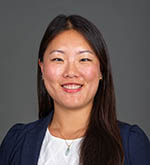
Bingjie Li, M.D.
- Undergraduate: University of California – Los Angeles, 2017
- Medical School: University of Kansas School of Medicine, 2022
- Residency: University of Rochester Medical Center, 2025
- Research Interests: Fetal intervention outcomes, medical resources cost and utilization, and QI
Pranita Shenoy, D.O.
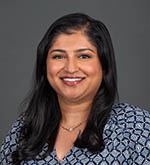
- Undergraduate: University of Michigan, 2016
- Medical School: Des Moines University College of Osteopathic Medicine, 2022
- Residency: Valley Children's Healthcare, 2025
- Research Interests: Socioeconomic disparities and Medical Education
Amisha Tarkunde, M.D., M.P.H.S.
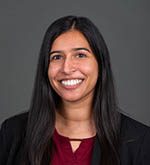
- Undergraduate: University of Washington, 2017
- Medical School: Washington University in St. Louis School of Medicine, MD/MS, 2022
- Residency: University of Washington, 2025
- Research Interests: Neurodevelopmental outcomes, medical education
Second-Year Fellows
Kellie Barsotti, M.D.
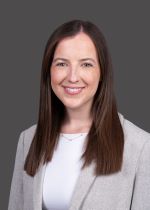
- Undergraduate: University of Southern California, 2015
- Medical School: Rush Medical College, 2020
- Residency: University of Chicago, 2023
- Chief Resident: University of Chicago, 2023 - 2024
- Research Interest: Medical education
Emily Chi, M.D.
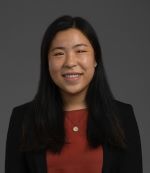
- Undergraduate: Washington University in St. Louis, 2017
- Medical School: Rush Medical College, 2021
- Residency: University of Iowa, 2024
- Research Interest: Social determinants of health and language discordance
Third-Year Fellows
Jane Hwang, M.D.
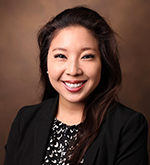
- Undergraduate: University of Southern California, 2012
- Medical School: Oakland University William Beaumont School of Medicine, 2016
- Residency: Los Angeles County+University of Southern California, 2019
- Fellowship: Memorial Sloan Kettering Cancer Center (Hospice and Palliative Medicine), 2022
- Research Interests: Advance care planning, assessing parental understanding of complex disorders
Meredith Haag, M.D., M.P.H.
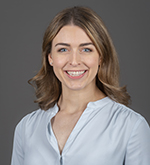
- Undergraduate: William & Mary, 2014
- Medical School: Oregon Health & Science University, MD/MPH, 2020
- Residency: Oregon Health & Science University, 2023
- Research Interests: Prenatal wildfire smoke exposure, epidemiology, clinical research
Fellowship alumni
Beginning in 1974, the OHSU Neonatal-Perinatal Medicine (NPM) Fellowship Program has been committed to individualizing educational and scholarly experiences to best meet the career goals of each of our fellows. The ACGME first accredited NPM as a specialty starting in 1984. The OHSU fellowship graduates go on to take Attending Neonatology positions in both academic and non-academic settings, throughout the United States, including the Pacific Northwest. Below are a list of some of our recent graduates and their current positions by graduation year:
| Graduation Year | Name | Current Known Position |
|---|---|---|
| 2025 | Frances Chiang, D.O. | Assistant Clinical Professor, University of Washington / Seattle Children's Hospital, Seattle, WA |
| 2025 | Leah Downey, M.D. | Assistant Professor, Oregon Health & Science University, Portland, OR |
| 2024 | Rachna Mamidi M.D., M.C.R. | Assistant Professor of Pediatrics, University of Missouri SOM |
| 2024 | Fernando Muñoz, M.D. | Clinical Assistant Professor, University of Michigan, Ann Arbor, MI |
| 2023 | Jina Park, M.D. | Neonatologist, Kaiser Permanente Walnut Creek Medical Center |
| 2023 | Katy Ruch, M.D. | Attending Neonatologist, Perinatal Medical Group at Community Regional Medical Center and Assistant Clinical Professor in Pediatrics, UCSF Fresno |
| 2022 | Lauren Culbertson, M.D. | Staff Neonatologist, Mednax/Northwest Newborn Group, Portland, OR |
| 2022 | Sasha Ondusko, M.D. | Associate Residency Director, Pediatrics Residency Assistant Professor of Pediatrics Oregon Health & Science University Portland, OR |
| 2021 | Catherine Caruso, D.O. | Assistant Professor of Pediatrics Oregon Health & Science University Portland, OR |
| 2021 | Jennifer Williams, M.D. | Staff Neonatologist, Mednax, Seattle, WA |
| 2020 | John Adair, M.D. | Staff Neonatologist, Baptist Health - Mednax, Little Rock, AK |
| 2020 | Atoosa F. Craighead, M.D. | Associate Physician, Kaiser Roseville Medical Center, Roseville, CA |
| 2019 | Emily Carter, M.D., M.P.H. | Fellowship Director, Neonatal-Perinatal Medicine Assistant Professor of Pediatrics Oregon Health & Science University Portland, OR |
| 2018 | Kelli Lund, M.D., M.C.R. | Assistant Professor of Pediatrics, University of Utah, Salt Lake City, UT |
| 2018 | Leah Yieh, M.D., M.P.H. | Neonatologist - Kaiser Permanente Baldwin Park Faculty, Department of Clinical Science, Kaiser Permanente Bernard J. Tyson School of Medicine, Pasadena, CA |
| 2017 | Jason Couch, D.O. | Staff Neonatologist, Phoenix Children’s Hospital - Mednax, Phoenix, AZ |
| 2017 | Ladawna Gievers, M.D. | Assistant Professor of Pediatrics Oregon Health & Science University Portland, OR |
| 2017 | Mackenzie Loughland, M.D. | Staff Neonatologist Director of NICU Disaster Preparedness Asante Rogue Regional Medical Center Medford, OR |
| 2016 | Ryan Lam, M.D. | Staff Neonatologist, Salem Health, Salem, OR |
| 2015 | Astrid Platteau, M.D. | Staff Neonatologist, Salem Health, Salem, OR |
| 2014 | Amanda Kim, M.D. | Director of Neonatal Services at the Fetal Care Center, Associate Professor of Pediatrics Oregon Health & Science University Portland, OR |
| 2014 | Katie Townes, D.O. | Staff Neonatologist, Asante Rogue Regional Medical Center, Medford, OR |
| 2013 | Daniel Morrow, M.D. | Neonatal Specialists, PC NICU Medical Director Peace Health Sacred Heart Medical Center Springfield, OR |
| 2013 | Hilary Redden, M.D. | Staff Neonatologist, Asante Rogue Regional Medical Center, Medford, OR |
| 2012 | Jamie Warren, M.D., M.P.H. | Clinical Vice Chair, Department of Pediatrics Associate Professor of Pediatrics Oregon Health & Science University Portland, OR |
| 2011 | Laura Corbin, M.D. | Staff Neonatologist, Conroe, TX |
| 2011 | Mitzi Go, M.D. | Associate Professor of Pediatrics Oregon Health & Science University Portland, OR |
| 2010 | Douglas Leonard, M.D. | Neonatal Specialists, PC Peace Health Sacred Heart Medical Center, Springfield, OR |
Connect with us
Contact us
Emily Carter, M.D., M.P.H.
Director, Neonatal-Perinatal Medicine Fellowship Program
cartere@ohsu.edu
Ashley Harrison Feria, M.P.H.
Program Coordinator
harriash@ohsu.edu
For recruitment related questions, please contact NPMrecruitment@ohsu.edu