Vaccine and Gene Therapy Institute Faculty and Research
VGTI Leadership
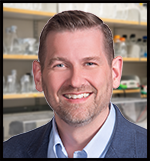
Jacob D. Estes, Ph.D.
Director
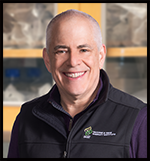
Louis Picker, M.D.
Associate Director
VGTI Faculty
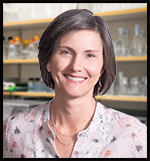
Patrizia Caposio, Ph.D.
Associate Professor
Research interests:
CMV pathogenesis, vascular diseases, and angiogenesis
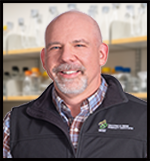
Victor DeFilippis, Ph.D.
Professor
Research interests:
Activation and evasion of innate immune responses by viral pathogens

Klaus Frueh, Ph.D.
Professor
Research interests:
HHV8 virology and pathobiology, functional genomics, host pathogen interaction: particularly viral Immune modulation Works with the following viral families: Herpesviruses (cytomegalovirus, Kaposi’s sarcoma associated virus), Poxviruses (Cowpox, Monkeypox), Flaviviruses (West Nile Virus, Dengue Virus)
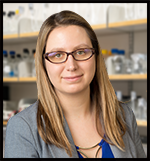
Meaghan Hancock, Ph.D.
Assistant Professor
Research interests:
Studying the roles of human cytomegalovirus (CMV) miRNAs in modulating host cellular signaling pathways

Scott Hansen, Ph.D.
Professor
Research interests:
HIV pathogenesis and vaccine development
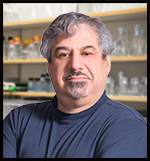
Alec Hirsch, Ph.D.
Associate Professor
Research interests:
Virus-host cell interactions

Daniel Malouli, Ph.D.
Assistant Professor
About our research
Research interests:
Cytomegalovirus genomics, determinants of species specificity and evolution; BAC recombineering and vector construction, Vaccine development; non-human primate in vivo models.
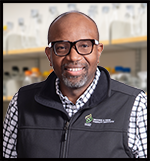
Afam Okoye, Ph.D.
Professor
Research interests:
Viral pathogenesis, T cell homeostasis, Immunological aging

Rebecca Skalsky, Ph.D.
Associate Professor
Research interests:
Non-coding RNAs (i.e. microRNAs) in viral pathogenesis, DNA tumor virus biology (i.e. gamma-herpesviruses)

Daniel Streblow, Ph.D.
Professor
Research interests:
CMV pathogenesis and transplantation

Scott W. Wong, Ph.D.
Professor
Research interests:
Viral pathogenesis and therapeutic development
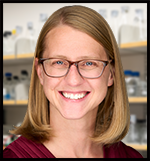
Emily Voigt, Ph.D.
Associate Professor
About our research
Voigt Lab
Research interests:
Innovation of nucleic acid-based vaccine platforms for global health use. Translational infectious disease and cancer vaccine development, preclinical, and clinical testing. Vaccine adjuvant and delivery system discovery.
Research Assistant Professor

Kathleen Busman-Sahay, Ph.D.
Assistant Professor
About our research
Research interests:

Nicole Diggins, Ph.D.
Assistant Professor
About our research
Research interests:

Caralyn Labriola, BVMS DACVP.
Assistant Professor
About our research
Research interests:

Julie Mitchell, Ph.D.
Assistant Professor
About our research
Research interests:
My work focuses on how children respond differently to vaccines and infections than adults, and how we can target unique aspects of the pediatric immune system to provide children better protection against disease.
Gaby Samayoa Reyes, Ph.D.
Assistant Professor
About our research
Research interests:
Affiliate Faculty
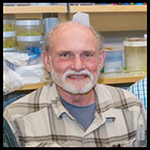
Michael Axthelm, DVM, Ph.D.
Associate Professor, Division of Pathobiology and Immunology, ONPRC
About our research
Research interests:
NPH models for Aids research, virology and human viral diseases
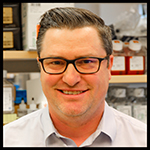
Benjamin Burwitz, Ph.D.
Associate Professor, Division of Pathobiology and Immunology, ONPRC
Research Interest:

Benjamin N. Bimber, Ph.D.
Assistant Professor, Oregon National Primate Research Center
About our research
Research interests:
HIV/TB/Malaria pathogenesis, Bioinformatics, Immunogenetics

Marcel E. Curlin, M.D.
Associate Professor of Medicine, Division of Infectious diseases, School of Medicine
Joint Appointment: Associate Professor at VGTI
Clinical Research Interest:
HIV Vaccine research, emerging infectious diseases and development of international collaborative research initiatives between OHSU and partners in Southeast Asia

Nancy Haigwood, Ph.D.
Professor, Division of Pathobiology and Immunology, ONPRC
Research interest:
HIV humoral immunity and pathogenesis
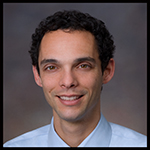
Morgan Hakki, M.D.
Professor of Medicine, Division of Infectious Diseases, School of Medicine, Division Head, Medicine, Division of Infectious Diseases, School of Medicine
Affiliate Faculty Vaccine & Gene Therapy Institute, OHSU
Research interest:
Infections in the immunocompromised host (non-HIV) Cytomegalovirus, Pseudomonas aeruginosa
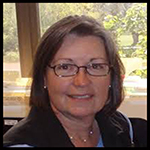
Ann J. Hessell, Ph.D.
Professor & Division Head, Division of Pathobiology and Immunology, ONPRC
Research interests:
HIV humoral immunity and pathogenesis

Jon M. Jacobs, Ph.D.
Staff Scientist Level V, Environmental & Molecular Sciences Division. PNNL
Team lead Cell Signaling and Communications Team within Functional & Systems Biology Group. PNNL
Affiliate Faculty Vaccine & Gene Therapy Institute, OHSU
Research Interest:

Christina Lancioni, MD
Professor, Department of Pediatrics, Division of Infectious Diseases, Department of Medicine, School of Medicine
Affiliate Faculty Vaccine & Gene Therapy Institute, OHSU
Research interests:
Pediatric Tuberculosis; Perinatal HIV infection & exposure; Nutrition & Immunity

John Trevvett Melchior, Ph.D.
Scientist IV, Molecular Structure and Function Team Lead, Molecular Structure, Function & Design, Biological Sciences Division, PNNL
Affiliate Assistant Professor, Department of Neurology, OHSU
Affiliate Faculty Vaccine & Gene Therapy Institute, OHSU
Visiting Scholar, Department of Pathology and Laboratory Medicine, University of Cincinnati
Research interests:
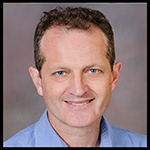
Bill Messer, Ph.D.
Associate Professor, Molecular Microbiology & Immunology, OHSU
Research Interest:

David Peeler
Assistant Professor, Department of Bioengineering, University of Oregon
Affiliate Faculty Vaccine & Gene Therapy Institute, OHSU
Research Interest:

Jonah Sacha Ph.D.
Professor, Division of Pathobiology and Immunology, ONPRC
Research Interest:

Aleksandra Sikora, Ph.D.
Professor, Department of Pharmaceutical Sciences, Oregon State University
Adjunct Associate Professor, Vaccine & Gene Therapy Institute, OHSU
About our research
Sikora Lab
Research interests:
Therapeutic interventions against gonorrhea.
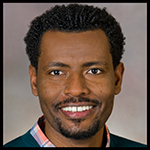
Fikadu G. Tafesse, PhD
Associate Professor, Molecular Microbiology & Immunology OHSU
Research Interest:
host-pathogen interactions
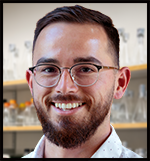
Brandon Wilder, Ph.D.
Associate Professor
Research interests:
The Wilder lab is focused on understanding how our immune system can fight malaria, and how we can use this information to make an effective vaccine suitable for widespread use and elimination of this ancient disease

Rachael Wolters, Ph.D.
Research Assistant Professor Division of Pathobiology and Immunology ONPRC
Research Interest:
Previous VGTI Members
Jeremy Smedley, DVM, MS, DACLAM
Professor and Head of ONPRC Infectious Disease Resource
Ashlee Moses, Ph.D.
Professor
Meaghan Hancock, Ph.D.
Assistant Professor
Research interests:
Studying the roles of human cytomegalovirus (CMV) miRNAs in modulating host cellular signaling pathways