Vollum Faculty and Research
Vollum Institute Faculty
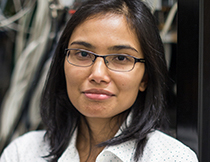
Isabelle Baconguis, Ph.D.
Assistant Scientist
Research interests
ion channel, sodium channel, structural biology, cryo-EM, electrophysiology, ion selectivity, channel physiology and gating, protein biochemistry
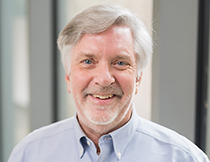
Peter Barr-Gillespie, Ph.D.
Professor, OHRC
Vollum Joint Appointment
Research interests
hair cells, mechanotransduction, myosin, motors, ion channels, cytoskeleton, pumps and transporters, inner ear, hearing, balance
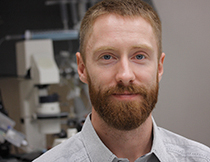
James Frank, Ph.D.
Assistant Professor, Chemical Physiology & Biochemistry
Vollum Joint Appointment
Research interests
chemical biology, lipid, endocannabinoid, neural circuits, optical control
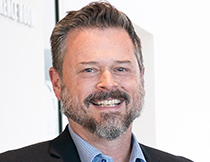
Marc Freeman, Ph.D.
Director and Senior Scientist
Research interests
neuronal-glial interactions, neuronal circuitry, neurodegeneration, astrocytes, Drosophila genetics
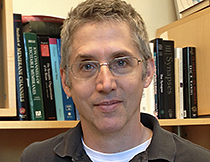
Eric Gouaux, Ph.D.
Senior Scientist
Investigator, HHMI
Research interests
chemical synapses and synaptic transmission, glutamate receptors, neurotransmitter transporters, ligand-gated ion channels, cryo-electron microscopy (cryo-EM), x-ray crystallography, membrane proteins
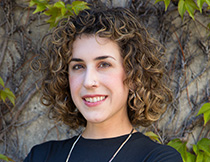
Rose Hill, Ph.D.
Assistant Professor, Chemical Physiology & Biochemistry
Vollum Joint Appointment
Research interests
sensory neurobiology, organ physiology, pain, interoception, electrophysiology, calcium imaging
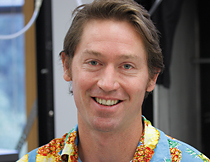
Skyler Jackman, Ph.D.
Assistant Scientist
Research interests
neurotransmitter release, short-term synaptic plasticity, neural circuits, presynaptic calcium sensors
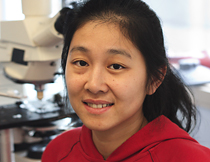
Tianyi Mao, Ph.D.
Senior Scientist
Research interests
circuits underlying sensorimotor integration, basal ganglia circuit analysis, cortical-subcortical interactions, optogenetics, genetically encoded signaling molecule indicators (Ca2+, cAMP/PKA, PKC) two-photon imaging
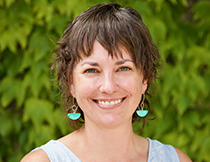
Kelly Monk, Ph.D.
Co-Director and Senior Scientist
Research interests
glial cell biology, neuron-glial interactions, glial-glial interactions, myelination and remyelination, zebrafish
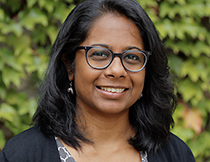
Swetha Murthy, Ph.D.
Assistant Scientist
Research interests
mechanotransduction, ion channels, electrophysiology
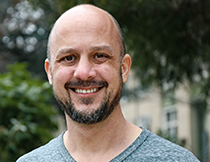
Steve Reichow, Ph.D.
Associate Professor, Chemical Physiology & Biochemistry
Vollum Joint Appointment
About our research
Reichow Lab
Research interests
molecular mechanisms driving biology, cryo-electron microscopy (cryo-EM), membrane channels, protein aggregation, lens biology
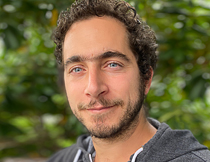
Arpiar "Arpy" Saunders, Ph.D.
Assistant Scientist
Research interests
single-cell genomics, host-virus interactions, neural circuits, comparative neuroscience, synapse biology
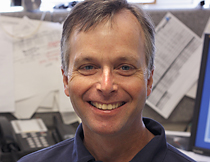
Laurence Trussell, Ph.D.
Professor, Oregon Hearing Research Center
Vollum Joint Appointment
Research interests
brainstem circuits that process acoustic signals, synaptic physiology — how cells and synapses preserve information provided by the ear
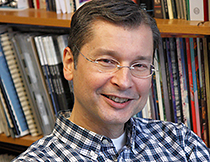
Henrique von Gersdorff, Ph.D.
Senior Scientist
Research interests
exocytosis and endocytosis of synaptic vesicles, short and long-term plasticity in the retina and brainstem, electrophysiology of auditory pathway
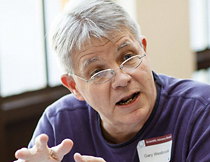
Gary Westbrook, M.D.
Senior Scientist
Research interests
neurogenesis, hippocampal microcircuits, glutamate receptors, epilepsy, regeneration and repair, synaptic transmission
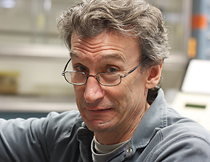
John Williams, Ph.D.
Senior Scientist
Research interests
opiate desensitization and tolerance, receptor trafficking, dendrodendritic transmission
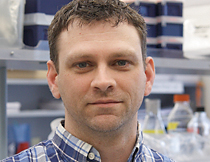
Kevin Wright, Ph.D.
Scientist
Research interests
sensory circuit development, transcription, axon guidance, neuronal migration, synaptogenesis, genetics
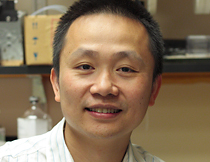
Haining Zhong, Ph.D.
Senior Scientist
Research interests
neuromodulatory signaling during animal behavior, experience-dependent plasticity, striatum, dopamine, norepinephrine, locomotion, cAMP/protein kinase A (PKA), two photon FLIM-FRET imaging, CRISPR gene editing
Emeritus Faculty Members
John P. Adelman, Ph.D.
Research interests: potassium channels, Ca2+-activated, structure-function, synaptic transmission and plasticity
Wolfhard Almers, Ph.D.
Research interests: mechanisms of exocytosis and endocytosis, total internal reflection fluorescence, single molecule imaging
Michael Forte, Ph.D.
Research interests: mitochondrial permeability transition pore, neurodegeneration, ischemic cell death, small molecule therapies
Richard Goodman, M.D. Ph.D.
Research interests: metabolic regulation of gene expression, characterization of activity-regulated genes
Craig Jahr, Ph.D.
Research interests: synaptic transmission, glutamate transport, multivesicular release, electrophysiology, two-photon microscopy
Gail Mandel, Ph.D.
Research interests: neurogenesis, microRNA, transcription, Rett Syndrome, neuronal circuitry, epigenetics, neurodevelopment, neuronal-glial interactions
Thomas Soderling, Ph.D.
Research interests: calcium, protein kinases, learning and memory, neuron development