Curriculum
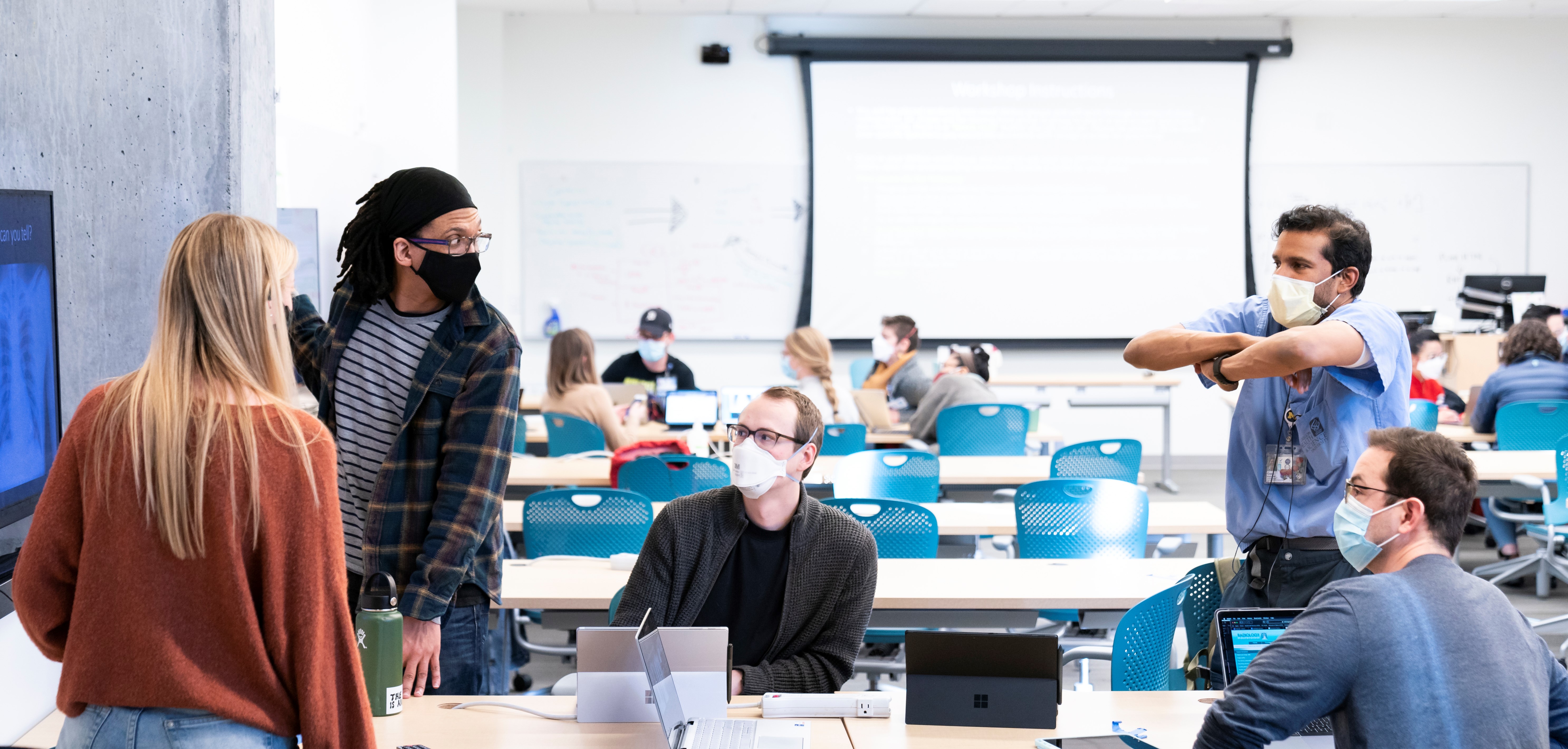
Academic year curriculum, 12 months
The following description reflects the Master of Physician Assistant Studies academic curriculum in the entry level program for those interested in becoming a physician assistant. The 12-month academic phase emphasizes:
- A strong foundation in basic science education
- Comprehensive exposure to primary care and specialty areas of medicine
- Introduction to patient care through experiences with community physician and physician assistant mentors
- Hands-on experience performing histories, physical exams, and developing assessments and management plans during mentoring activities
- Development of clinical thinking processes through faculty facilitated weekly small group activities utilizing problem-based learning
- The use of medical informatics and evidence-based medicine to make better clinical decisions
- Methods to improve patient interactions and provide more effective medical care
- Formalized evaluations of clinical competencies and skills throughout the year
In order to progress to the clinical phase of the program, students must pass all academic year courses, the end of didactic year comprehensive multiple-choice examination and an assessment of clinical skills.
Summer Quarter
Course list
PAST 510 Physical Diagnosis (4 credits)
PAST 511 Physical Diagnosis Lab (2 credits)
PAST 518A Principles of Professional Practice I (3 credits)
PAST 528 Introduction to Epidemiology and Evidence-Based Medicine (2 credits)
PAST 571 Intro to Pathophysiology/Mechanisms of Disease (3 credits)
PAST 572 Intro to Pharmacotherapeutics (2 credits)
ANAT 511 UNI Foundations of Clinical Anatomy (5 credits)
Total of 21 credits
Click here for course description information
Fall Quarter
Course list
PAST 545 Clinical Medicine I (6 credits)
PAST 565 Basic Sciences I (2 credits)
PAST 575 Clinical Pharmacotherapeutics I (1 credits)
PAST 518B Principles of Professional Practice II (2 credits)
PAST 515 Clinical Medicine Tutorials I (3 credits)
PAST 509 Clinical Practicum I (3 credits)
IPE 501 Foundations of Patient Safety and Interprofessional Practice (0 credits)
Total of 17 credits
Click here for course description information
Winter Quarter
Course list
PAST 546 Clinical Medicine II (6 credits)
PAST 566 Basic Sciences II (2 credits)
PAST 576 Clinical Pharmacotherapeutics II (1 credits)
PAST 520 Principles of Professional Practice III (2 credits)
PAST 516 Clinical Medicine Tutorials II (3 credits)
PAST 509A Clinical Practicum II (3 credits)
IPE 501 Foundations of Patient Safety and Interprofessional Practice (0 credits)
Total of 17 credits
Click here for course description information
Spring Quarter
Course list
PAST 547 – Clinical Medicine III (6 credits)
PAST 567 – Basic Science III (3 credits)
PAST 577 Clinical Pharmacotherapeutics III (1 credits)
PAST 521 Principles of Professional Practice IV (2 credits)
PAST 517 Clinical Medicine Tutorials III (3 credits)
PAST 509B Clinical Practicum III (3 credits)
PAST 507A Electrocardiography (1 credits)
IPE 501 Foundations of Patient Safety and Interprofessional Practice (1 credits)
Total of 20 credits
Click here for course description information
Clinical Year Curriculum, 14 months
All students participate in clinical training activities in a variety of settings at program-provided sites. In keeping with the mission of the program, a majority of the clinical opportunities are located outside of metropolitan Portland, many in rural medically underserved sites throughout Oregon and Southwest Washington. Supervised clinical practice experiences (SCPEs) or rotations will ensure students will acquire the competencies needed for clinical PA practice. SCPEs will provide experiences in outpatient and inpatient settings, emergency departments and the operating room, with patients across the life span, including prenatal and obstetric care, surgical management (pre, intra, and post-operative care) and care for behavioral/mental health conditions.
All rotations are 4 weeks in length. Students are not required to provide or solicit clinical sites or preceptors.
In addition to passing all coursework in the clinical phase of the program, students are required to pass the end of curriculum assessments prior to graduation. These assessments include a comprehensive end-of-curriculum multiple-choice examination and an assessment of clinical skills.
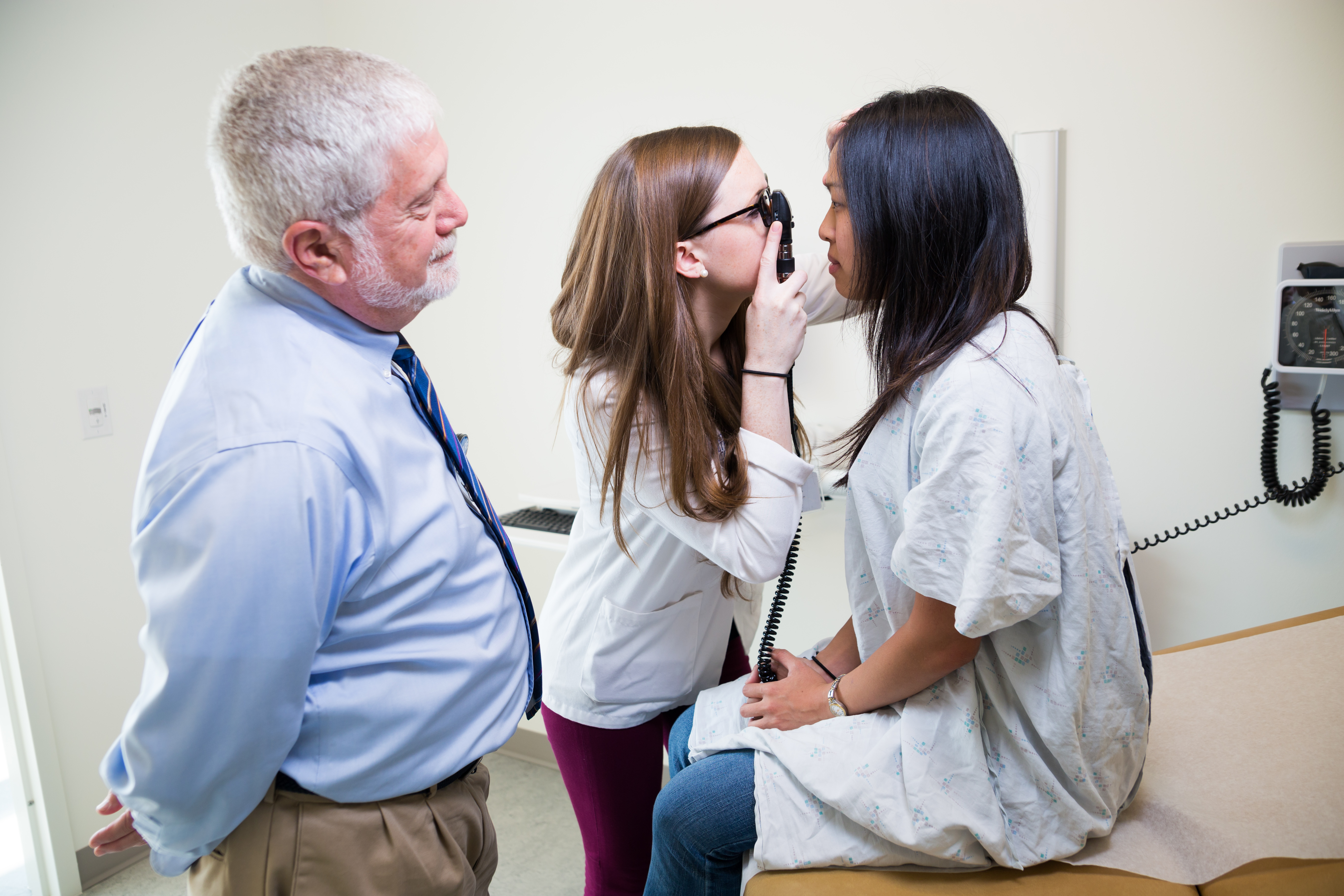
Required SCPE Rotations
Students participate in 9 required SCPE rotations (all 9 required, 5 credits each):
- Behavioral Medicine
- Emergency Medicine
- Family Medicine
- Inpatient Internal Medicine
- Obstetrics and Gynecology
- Pediatrics
- Primary Care I
- Primary Care II
- Surgery
Click here for course description information
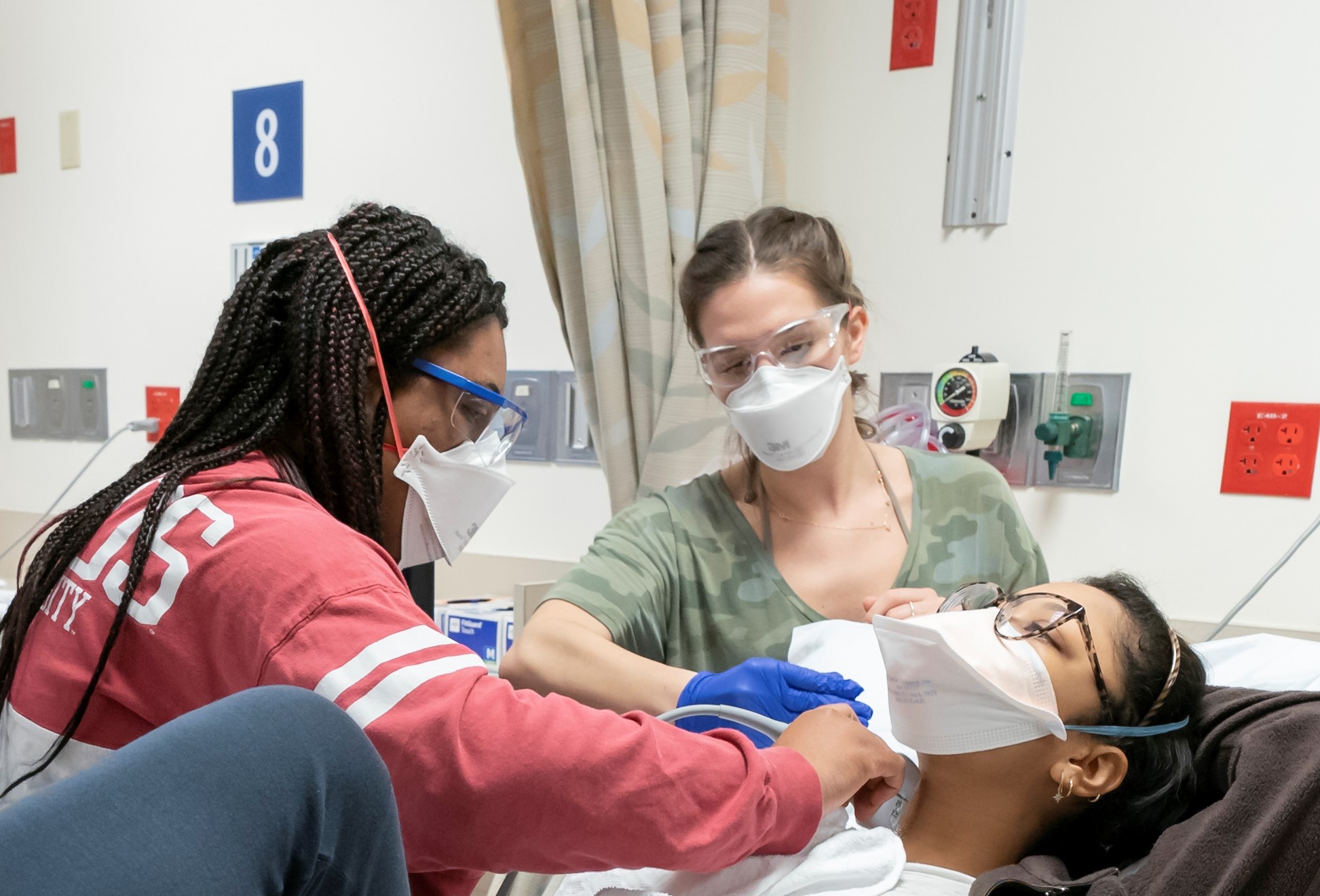
Elective SCPE Rotations
Elective SCPE Rotations (2 rotations, 5 credits each) are determined by student interests, needs and availability. Abbreviated list of disciplines; many more options are available:
- Cardiology
- Cardiothoracic Surgery
- Dermatology
- Endocrinology
- Gastroenterology
- Geriatrics
- Nephrology
- Neurosurgery
- Orthopedics
- Pediatric subspecialties
Click here for course description information
Additional Clinical Year Courses
- Applied Clinical Skills I (2 Credits)
- Applied Clinical Skills II (4 Credits)
- Bridge to Professional Practice (3 Credits)
- Community Outreach Project (5 Credits)
Click here for course description information
Sakai
OHSU adopted Sakai in 2007 as the preferred university course management system. Sakai is an online course management system similar to Blackboard, WebCT and eCollege. Most academic year and clinical year courses have a complementary Sakai course where the syllabus, grading information, course resources and websites, assignments, handouts, and other course materials are posted. A few courses are entirely online and have no classroom component.