Pediatric Research Laboratories

Pediatric research laboratories are located in the Child Development and Rehabilitation Center (CDRC) and the new Biomedical Research Building (BRB).
We encourage everyone interested in research to explore this page. This is a unique opportunity to learn about the exciting research that takes place in our labs and to participate in the discoveries that will shape pediatric care in the future.
Advancing Research in Pediatric Pain (ARPP) Lab
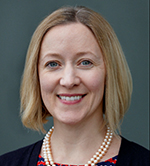
The ARPP Lab conducts research aimed at preventing the development of chronic pain and mitigating symptoms and impairment caused by pain for children and their families.
Andres Lab

The Andres Lab studies mechanisms of cellular communication and post-transcriptional regulation in the intestine and colon. We are presently focused on uncovering new biomarkers, disease mechanisms, and therapeutic strategies to treat, prevent, and eradicate necrotizing enterocolitis.
Stephen Back Lab

The Back Lab focuses on the development of novel strategies to promote regeneration and repair of injury to the developing brain.
Bill Chang Lab
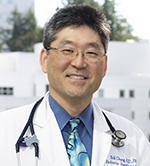
The Chang Lab focuses on developing novel targets for therapies in pediatric leukemias.
Chavali Lab

The Chavali Lab is interested in the cellular and molecular mechanisms regulating brain development and how they are disrupted in neurological injuries and neurodegeneration.
Monika Davare Lab
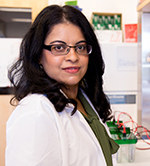
The Davare Lab aims to discover cell intrinsic pathways that promoteoncogenesis and malignant progression of tumors, with a special interest inrare but aggressive pediatric and adult cancer types like sarcoma, glioblastoma and medulloblastoma.
Markus Grompe Lab

The Grompe Lab focuses on development of novel treatments for gene transfer and cell therapy; specifically looking at metabolic liver diseases and the DNA repair disease Fanconi Anemia.
Grossberg Lab
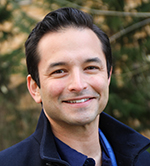
The Grossberg Lab studies the impact of cancer on the metabolic homeostasis of the host. Cancer is made up of aberrantly proliferating cells, which fail to respond appropriately to the normal regulatory mechanisms that impede growth. To grow tumors must acquire an adequate supply of building blocks to manufacture the macromolecules needed for cell growth and division. Despite recognition as a fundamental component of tumor growth, how cancer redirects metabolic resources from the host, and the impacts of this process on tumor growth, symptoms, and patient resilience remain poorly understood. Our laboratory focuses primarily on pancreatic cancer, among the deadliest and most metabolically disruptive tumors. Pancreatic ductal adenocarcinoma (PDAC) is currently the 4th leading cause of cancer death, with fewer than 10% of PDAC patients alive 5 years after diagnosis. Nearly all patients with PDAC suffer from a global wasting syndrome caused by the cancer called cachexia. Cachexia is characterized by ongoing weight loss and lethargy, and is a major determinant of survival, quality of life, and ability to tolerate therapy. Our lab has developed mouse models of PDAC cachexia in an effort to define the key pathways underlying this phenomenon. We are currently focused on inefficiencies in fuel utilization and both nutritional and molecular approaches to reversing this devastating condition.
Christina Lancioni Lab
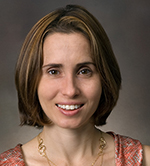
The Lancioni laboratory studies infant immune responses to the pathogen that causes Tuberculosis disease, Mycobacterium tuberculosis (Mtb).
Deborah Lewinsohn Lab

The Lewinsohn Lab focuses on the immunology of childhood tuberculosis.
Listos: School Readiness Lab

Led by Dr. Jaime Peterson, the Listos: School Readiness Lab helps Latino families get ready for kindergarten.
Cindy McEvoy Lab
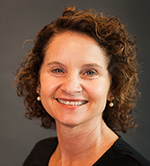
Dr. McEvoy fosters diverse and robust collaborations between neonatology, obstetrics, pediatric pulmonology, investigators at the Oregon National Primate Research Center and adult pulmonologists to develop primary prevention interventions to decrease childhood and potentially adult lung disease.
Bret Pearson's Lab

Dr. Pearson's research group focuses on understanding the basic biology and molecular mechanisms of neural regeneration at a single-cell level.
Juan Piantino’s Lab

Dr. Piantino’s lab studies the effects of concussion and severe traumatic brain injury. The lab’s team of neuroscientists, neurologists and neurosurgeons are looking closely at how the brain recovers from injury
Mike Powers Lab

The Powers' lab uses a mouse model of retinopathy of prematurity (ROP) to investigate the balance between angiogenic cytokines and pro-apoptotic factors in retinal neovascularization.
Ron Rosenfeld Lab

The Rosenfeld Lab has a long-standing interest in growth failure resulting from defects in IGF-I production and action.
Stress, Cognition, Affect and Neuroimaging (SCAN) Lab
The SCAN Lab is interested in understanding the development of cognitive and affective brain processes and how these processes are affected by stressful events.
Katharine Zuckerman's Lab
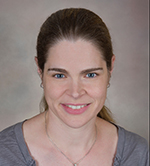
Dr. Zuckerman's research group focuses on health care quality and health care disparities for children with autism and other developmental disabilities.