OHSU

Academic Year Share This OHSU Content

Course Descriptions


Summer Quarter (Total 17 credits)


PAST 510 PHYSICAL DIAGNOSIS - 4 credits

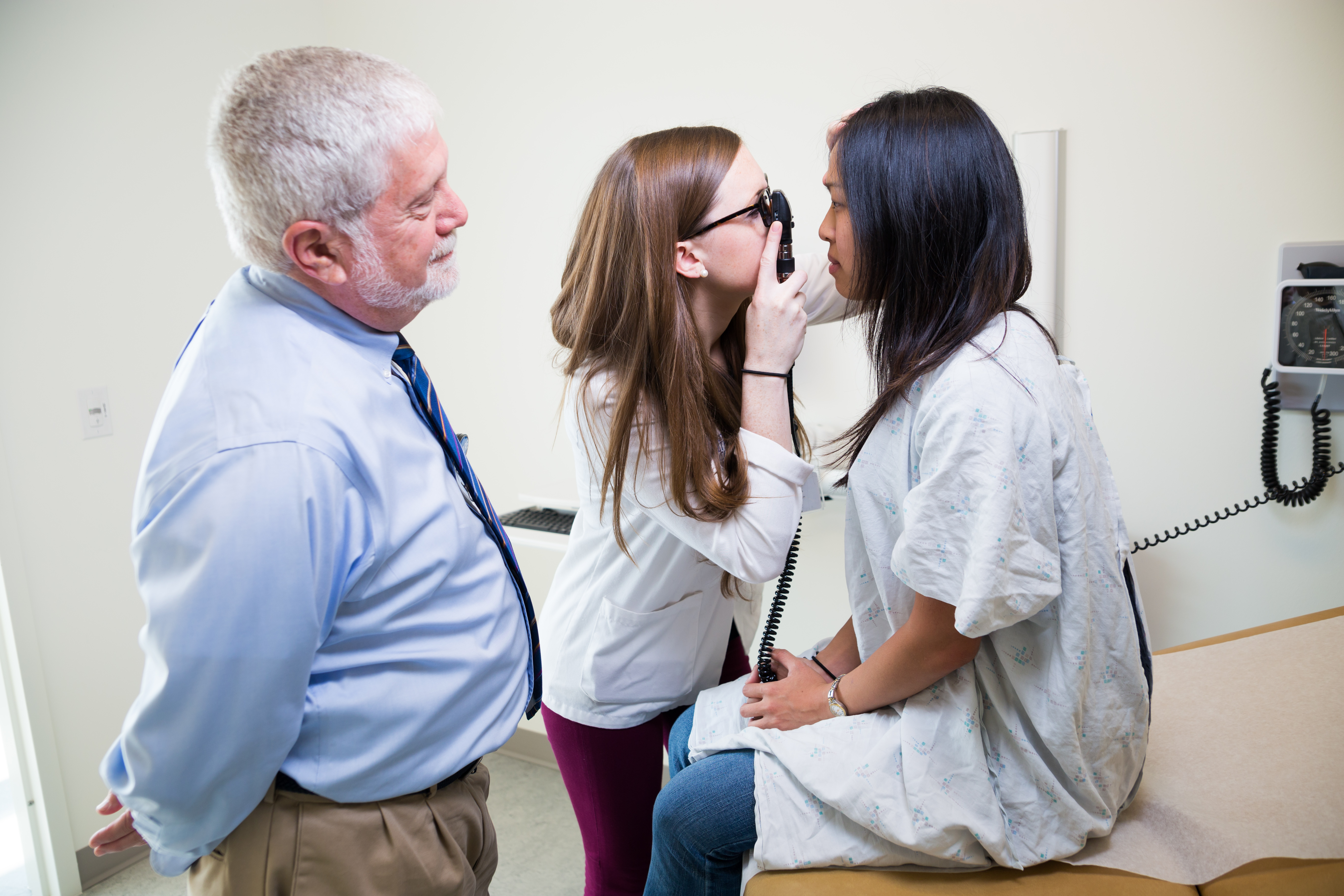
Through a series of lectures and demonstrations, students learn the basics of physical examination techniques and the correct and efficient use of medical equipment. Each organ system is presented and components of the examination are discussed, including general appearance, vital signs, head/ears/eyes/nose and throat, cardiopulmonary, abdominal, lymphatic and neuromuscular. The wide range of normal findings is emphasized. Students are introduced to clinical correlations as a means of demonstrating abnormal findings, and practice the descriptive use of medical terminology to communicate examination findings.

Back to top


PAST 511 PHYSICAL DIAGNOSIS LAB - 3 credits

Students perform physical examination techniques learned in the lecture portion of the course in a clinical setting, practicing non-invasive examinations on each other. This laboratory course provides the opportunity to learn both the examiner role while developing a newfound understanding of the patient experience. Lab sessions are facilitated by faculty who provide guidance regarding appropriate examination techniques, patient positioning, gowning and draping. Emphasis is placed on mastery of individual body systems initially; by the end of the course students will be performing complete physical examinations. Student write-ups of each session provide a valuable introduction to medical documentation. Intimate examinations (breast, pelvic, rectal and genitourinary) are taught separately utilizing standardized patients at the conclusion of the course.

Back to top


PAST 518 PRINCIPLES OF PROFESSIONAL PRACTICE I - 3 credits

First of a three-quarter course designed to cover a variety of topics on the patient interaction and provision of effective medical care. Summer quarter topics include patient-provider communication, techniques of interviewing, and the elicitation of a medical history. Discussions about health literacy, health disparities, empathy, culture and ethnicity will familiarize students with a variety of cultural differences that may significantly impact health care. Skills include learning how to take a spiritual history and a culturally sensitive history as well as how to work with an interpreter. Issues on professionalism in medicine are emphasized. Students are introduced to medical informatics and the use of technology in medicine. Students are provided with an overview of topics in Medical Ethics and utilize film to hone skills in the identification of ethical dilemmas in medicine. The increasing emphasis on the use of evidence in clinical decision-making requires practitioners to be able to locate accurate and interpret information. Students will learn computer search techniques to facilitate the ability to utilize information and practice evidence-based medicine. Finally, an introduction to Health Promotion/Disease Prevention includes public health, basic concepts of screening for disease, global & international health, behavioral changes, patient education, and adherence/nonadherence. Lecture, small group format, videotaping and opportunities for role-playing are utilized.

Back to top


PAST 527 MEDICAL SPANISH - 1 credit

The number of Spanish speaking individuals in Oregon is increasing daily. This course is intended as an introduction to medical history questions and physical examination instructions, and provides introductory discussions on greetings, time, and basic medical terminology. Although not intended to impart fluency, this course will provide basic skills for those occasions when interpreters are unavailable.

Back to top


PAST 554 INTRODUCTION TO MEDICAL GENETICS - 2 credits

Medical genetics and the molecular basis for disease are increasingly recognized as critically important components in illness and in health. This course is designed to introduce medical genetics and its role in the care of patients. This course is based on the NCHPEG Core Competencies in genetics for Health Professionals. Students will review as well as learn new principles of medical genetics. Each student will acquire skills that include gather genetic family history information, identify inheritance patterns, identify and refer patients for genetic counseling and consultation, identify local community resources for genetic counseling and consultation, explain the reasons for and benefits of genetic services, use information technology to obtain credible and current genetics information, provide basic genetic information to a patient regarding specific genetic disorders, and assure that the informed-consent process for genetic testing includes information about the potential risks, benefits and limitations of the test in question. The majority of the coursework is provided online with several in-class sessions by genetics counselors and geneticists supplementing the online material. Group presentations on various ethical, legal and social issues in genetics are also an important component.

Back to top


PAST 571 INTRODUCTION TO PATHOPHYSIOLOGY/MECHANISMS OF DISEASE - 2 credits

This introductory class offered in summer quarter provides an overview of basic science principles applicable in medicine. Concepts in pathophysiology related to altered structure and function will be presented as a foundation for future learning about disease states in the Clinical Medicine courses. Course content emphasizes the body’s response to injury, infection and repair, and presents an overview of the principles of hematopoiesis, hemostasis and homeostasis. Additionally, students will receive information about the use of laboratory medicine in diagnosing and treating acute illness and chronic disease.

Back to top


PAST 572 INTRODUCTION TO PHARMACOTHERAPEUTICS - 2 credits

Students are introduced to pharmacotherapeutics through this introductory course that includes basic pharmacologic information about drug absorption, distribution, metabolism and elimination (ADME) for pediatric, adult and geriatric populations. Additionally, drug mechanism of action, adverse effects and toxicities are discussed, and students will learn prescription-writing processes and legalities as well as the use of therapeutic informatics. At the conclusion of this basic course, students will be prepared to learn appropriate drug management presented throughout the Clinical Medicine course series.

Back to top


Fall Quarter (Total 16 credits)


PAST 512 CLINICAL MEDICINE I - 4 credits

The Clinical Medicine course is a three-quarter series with a population and organ system approach to disease states, emphasizing etiology, clinical presentation, differential diagnosis, physical exam findings, diagnostic evaluation, assessment and management strategies. Fall quarter topics include Nutrition, Geriatric Medicine, Otolaryngology, Infectious Disease, Dermatology, and Hematology / Oncology. Associated topics in diagnostic imaging, laboratory medicine and pharmacotherapeutics are integrated where applicable.

Back to top


PAST 515 CLINICAL MEDICINE TUTORIALS I - 3 credits

The process of diagnostic and clinical thinking within each of the specialty areas of medicine is explored during the Clinical Medicine Tutorials course. This class utilizes a problem-based learning (PBL) format with small groups of 6-8 students and a faculty facilitator. Students practice working through clinical problems developed around members of two PBL “families.” Students “see” family members multiple times over the course to learn principles of acute and longitudinal care, chronic disease management, epidemiology, identification of familial risk and office-based skills such as coding, billing, generation of admission orders, prescription writing and patient chart management. Relevant skills including case presentation and dictation are also explored.

Back to top


ANAT 510 GROSS ANATOMY, IMAGING AND EMBRYOLOGY - 8 credits

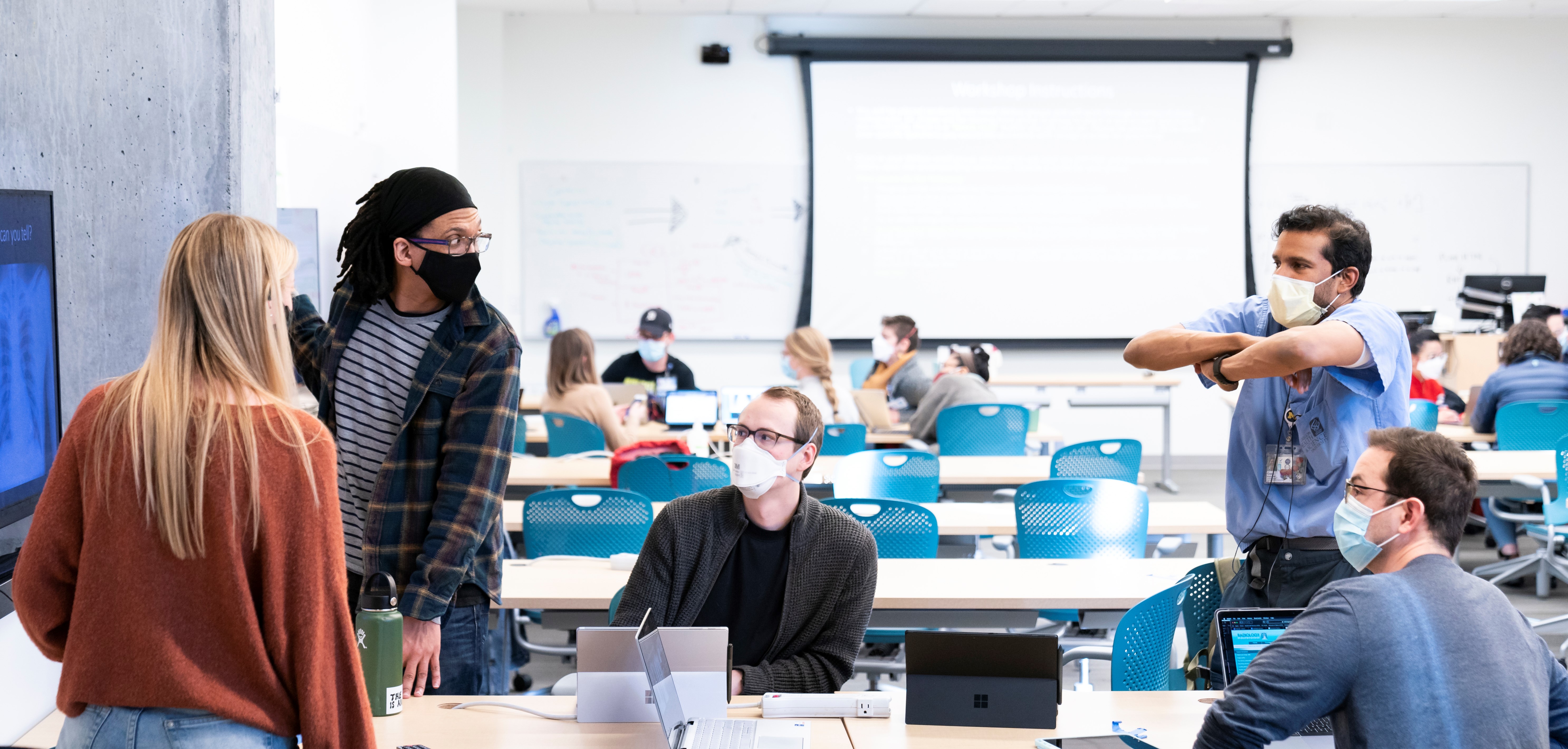
This intensive, one-quarter course concentrates on the detailed gross anatomy of human body systems including terminology, structure, and functional significance in clinical problem solving situations. Lecture is provided in an interdisciplinary large group setting with medical students and radiation therapy students, augmented by small group workshops highlighting radiographic anatomy. Laboratory sessions using prosected cadavers afford students the opportunity to develop an understanding of anatomic relationships and the infinite variety of the human body. In addition to anatomy topics, an introduction to embryology will be covered.

Back to top


PAST 509 CLINICAL PRACTICUM I - 1 credit

Clinical Practicum provides students with regular experiential learning opportunities in a clinical setting. Students are placed with a physician or physician assistant mentor in clinical practice within the Portland metropolitan area (including southern Washington state to Salem, Oregon) to participate in actual care of patients. These mentoring activities allow students to apply classroom learning through “hands-on” opportunities. The first course of the three-quarter series, Clinical Practicum I focuses on the development of medical interviewing skills and the performance of the physical exam as learned in the classroom. Spanish speaking students will be placed in clinical setting where they can utilize their language skills.

Back to top


Winter Quarter (Total 19 credits)


PAST 513 CLINICAL MEDICINE II - 5 credits

This is the second of a three-quarter medicine series with a population and organ system approach to disease states, emphasizing etiology, clinical presentation, differential diagnosis, physical exam findings, diagnostic evaluation, assessment and management strategies. Winter quarter topics include Orthopedics/Rheumatology, Cardiology, Pulmonary Medicine, Nephrology/Urology, Gastroenterology and Endocrinology. Clinically related topics in diagnostic imaging, laboratory medicine and pharmacotherapeutics are integrated where applicable.

Back to top


PAST 516 CLINICAL MEDICINE TUTORIALS II - 3 credits

In the second of this three-part course, diagnostic and clinical thinking skills within each of the specialty areas of medicine are explored during the Clinical Medicine Tutorials. This course utilizes a problem-based learning (PBL) format with small groups of 6-8 students with a faculty facilitator. Students practice working through clinical problems developed around members of two PBL “families.” Students “see” family members multiple times over the course to learn principles of acute and longitudinal care, chronic disease management, epidemiology, identification of familial risk, and office-based skills such as coding, billing, generation of admission orders, prescription writing and patient chart management. Students continue to be exposed to relevant practical skills including case presentations and dictations.

Back to top


PAST 507A ELECTROCARDIOGRAPHY - 1 credit

As an adjunct to the cardiology series in Clinical Medicine II, an introductory course in electrocardiography is integrated into the medicine lecture series to enhance clinical relevance. Students are provided with an overview of the electrical functioning of the heart, along with the practical assessment of actual rhythm strips and 12-Lead ECGs. Completion of this course prepares students to take the Advanced Cardiac Life Support class during spring term.

Back to top


PAST 520 PRINCIPLES OF PROFESSIONAL PRACTICE II - 3 credits

Winter quarter topics in Principles of Professional Practice provide exposure to research methodologies, as well as basic concepts of descriptive, analytic and experimental epidemiology. Emphasis is placed on developing the ability to objectively review medical literature in order to appropriately manage patient care. Student will participate in a course-sponsored journal club as a means to practice skills in interpreting the medical literature. Coursework is conjointly taken with the first year medical students in the School of Medicine.

Back to top


PHYS 510 HUMAN PHYSIOLOGY - 6 credits

This course provides a systems approach to normal function of the human body as an orientation to pathophysiology covered in the Clinical Medicine courses. Application to systemic disorders is discussed and lecture content is augmented by clinically relevant topics. Topic areas are coordinated with clinical medicine subjects to provide students with a broad understanding of the normal physiology and its relationship to mechanisms of disease.

Back to top


PAST 509 CLINICAL PRACTICUM II - 1 credit

The second course of a three-quarter series, students continue their mentoring in a clinical setting. Mentors will expose students to a wider breadth of experience and help them refine medical history taking and the performance of the problem-oriented physical examination. The formulation of differential diagnoses, appropriate case presentations and documentation within a clinical setting are emphasized. Students additionally participate in a complete history and physical examination of an acutely ill, hospitalized patient in the inpatient setting, and practice documentation skills including SOAP notes.

Back to top


Spring Quarter (Total 16 credits)


PAST 514 CLINICAL MEDICINE III - 5 credits

The culmination of the Clinical Medicine series contains topics in Women’s Health, Pediatrics, Behavioral Medicine, Neurology, Ophthalmology, Surgery and Emergency Medicine. Associated topics in diagnostic imaging, laboratory medicine and pharmacotherapeutics are integrated where applicable.

Back to top


PAST 517 MEDICINE TUTORIALS III - 3 credits

The process of diagnostic and clinical thinking within each of the specialty areas of medicine continues to be explored during the Clinical Medicine Tutorials. This course utilizes a problem-based learning (PBL) format with small groups of 6-8 students and a faculty facilitator. Students practice working through clinical problems developed around members of two PBL “families.” Students “see” family members multiple times over the course to learn principles of acute and longitudinal care, chronic disease management, epidemiology, identification of familial risk and office-based skills such as coding, billing, generation of admission orders, prescription writing and patient chart management. Students are challenged to tackle skills with increasingly difficult tasks prior to the end of the academic year as a means of preparing for the clinical year. Additional clinically relevant skills including dictation and case presentation are explored.

Back to top


NEUR 510 NEUROANATOMY - 2 credits

The neuroanatomy course represents the culmination of the basic science curriculum. Students will participate in an intensive condensed course designed to provide an overview of the structure and function of the human nervous system, with emphasis on clinical applications such as symptom and disease localization. This class is coordinated to occur simultaneously with the neurology, behavioral medicine and ophthalmology topics in Clinical Medicine III to increase the clinical application of the basic science information.

Back to top


PAST 521 PRINCIPLES OF PROFESSIONAL PRACTICE III - 3 credits

The final course in the series focuses on social and legal issues in medicine. Through participation in multidisciplinary course work with the School of Medicine, this course offers the opportunity to explore the fundamental elements working as members of a health care team. Topics include preventive medicine, health maintenance assessment, informed consent, confidentiality, advance care planning, refusal and request for treatment, breaking bad news, death and dying, end of life issues, care options for the elderly, and living with life-threatening illness from the patient, family and provider perspectives.>

Back to top


PAST 526 APPLIED CLINICAL SKILLS - 2 credits

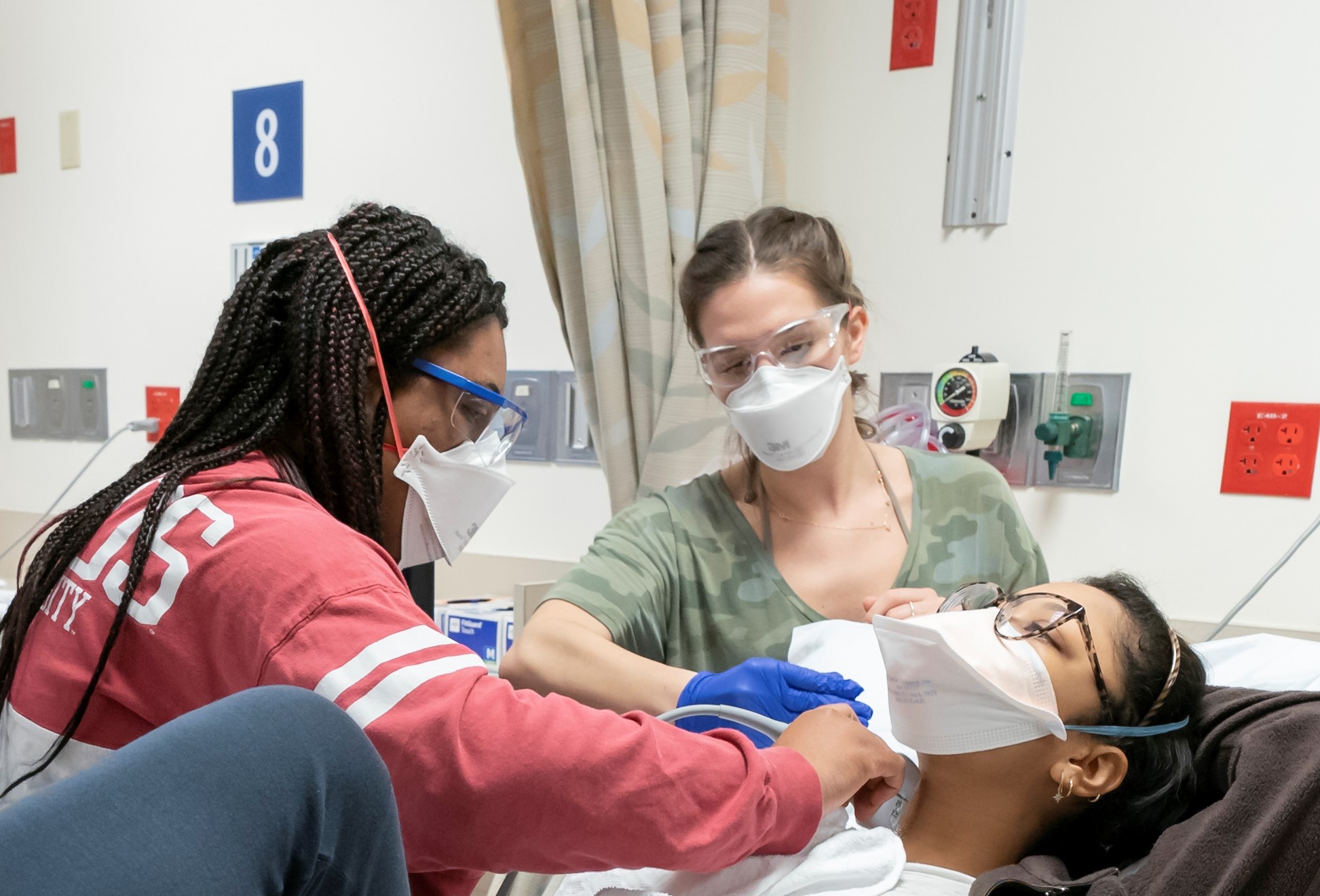
This course is devoted to introducing the many “hands-on” clinical skills associated with the practice of medicine, and prepares students for an active participatory learning experience during the clinical year. Through a series of workshops, students have the opportunity to practice beginning competencies in a variety of clinical skills. Sessions include venipuncture, injection techniques, intravenous line starts, casting and splinting, airway management, ACLS, aseptic technique, sterile technique and OR etiquette as well as suturing and wound management. Physical examination skills are further refined with the concentration on the problem oriented encounter. Students participate in a Basic Life Support course as well as an Advance Cardiac Life Support class designed to certify students as ACLS providers.

Back to top


PAST 509 CLINICAL PRACTICUM III - 1 credit

The final course of a three-quarter series, Clinical Practicum III concludes with continued mentoring activities in a clinical setting. Students focus on the development of the assessment and plan, including diagnostic, therapeutic, and patient education aspects. Students additionally participate in a complete history and physical examination of an acutely ill, hospitalized patient in the inpatient setting. Development of the assessment and management plan is emphasized.

Back to top