Restorative Dentistry at OHSU
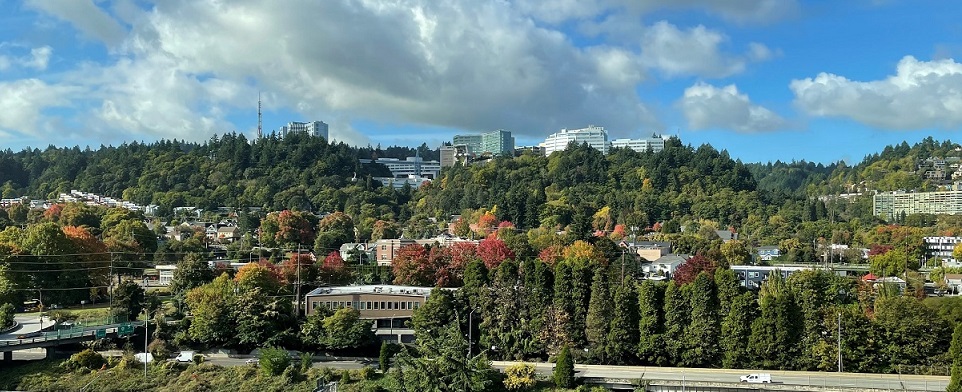
The Department of Restorative Dentistry includes biomaterials, operative dentistry, implant dentistry, esthetic dentistry, and prosthodontics. Full- and part-time faculty members guide the development of student doctors in the classroom and in clinics through instruction and hands-on learning. Our faculty are involved in clinical research, either at the OHSU School of Dentistry or through external organizations. Many faculty members treat patients in the OHSU Dental Clinics.
Get to know our Restorative Department Faculty. Click HERE
NEED A VACCINE? Our Restorative Dentistry faculty are trained! Thanks to Mark Miller, DMD, and Mary Pat Califano, BSN, many of our great dental faculty members are trained to deliver the Covid19 Vaccine.
Restorative Dentistry News
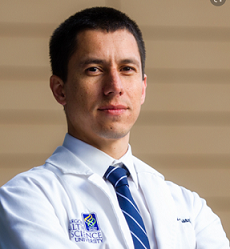
Richard T. Jones New Investigator Award Winner | Dr. Luiz Bertassoni
The Medical Research Foundation honored Luiz Bertassoni, D.D.S., Ph.D., OHSU School of Dentistry, with the 2020 Richard T. Jones New Investigator Award!
Medical Research Foundation Awards celebrate leading Oregon scientists
Congratulations to Aaron Caughey, M.D., M.P.P., M.P.H., Ph.D., professor and chair of obstetrics and gynecology; Steven Shea, Ph.D., professor and director, Oregon Institute of Occupational Health Sciences; Cary Harding, Ph.D., professor of molecular and medical genetics, and Luiz Bertassoni, D.D.S., Ph.D., associate professor of restorative dentistry.
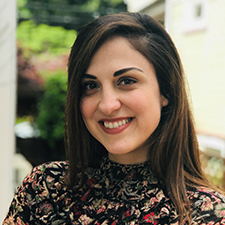
Dr. Despoina Bompolaki | Director of Clinical Restorative Dentistry
We are pleased to announce that Dr. Despoina Bompolaki has recently been named as the new Director of Clinical Restorative Dentistry. She replaces Dr. Rosemary McPharlin who departed Portland earlier this year to work at UNLV. We are grateful for Dr. Bompolaki’s willingness to take on this new position and set of responsibilities and we know she will do an awesome job! Despoina has been with the OHSU School of Dentistry since the summer of 2015. Please join me in congratulating her on this new title.
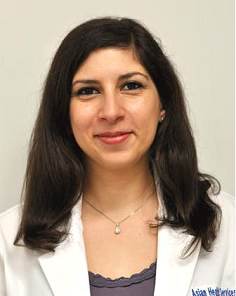
Dr. Meena Tappouni | New Hawthorne Group Practice Leader
We extend a warm welcome to Dr. Meena Tappouni who will take over the Hawthorne Group Practice Leader position from Dr. Bob Bruechert when he steps down later in Fall term. After graduating from Portland State University, she went on to earn her D.M.D. from the Arizona School of Dentistry & Oral Health. She worked as a Clinical Professor at UC San Francisco, organizing and teaching dental morphology. She has been a research mentor, and most recently practiced dentistry and supervised dental students while on clinical externship rotations at Asian Health Services. Dr. Tappouni also speaks Arabic, and she enjoys traveling, gardening, and working on crafts. We are so happy to have her as a new faculty member in the Restorative Department.
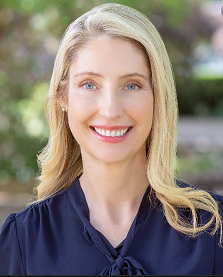
Dr. Rachel Hogan | Diplomate of the ABDSM
Congratulations to Dr. Rachel Hogan, DMD, M.Ed., D. ABDSM on recently being named as a Diplomate of the American Board of Sleep Medicine.
She is also on the ADEA CDECA ( ADEA Collaborative on Dental Education Climate Assessment) writing team. This inaugural survey "will collect baseline data on diversity, equity, and inclusion to assist institutions with measuring perceptions of campus climate". For more information on this, click here. What is exciting is all members of dental education, dental hygiene, and allied health in the US and Canada will be included: students, staff, faculty, admin, support staff, technical staff, leadership and anyone that works in dental schools, hygiene or allied health programs.
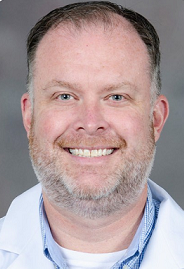
Dr. Bryan Tervo | International College of Dentists (ICD)
The International College of Dentists (ICD) USA Section Board of Regents has acted favorably on the application of Dr. Bryan Tervo for Candidacy in the College. Dr. Tervo has been recognized and welcomed to Fellowship in the Class of 2021. The International College of Dentists is one of the oldest and most prestigious honorary dental societies in the world. Fewer than 3% of dentists in the United States have been accepted for Fellowship in the ICD. He received this honor because he has demonstrated integrity, leadership and service to others. It is with pride that he has been invited to join in their mission to raise the level of oral health here at home and around the world!
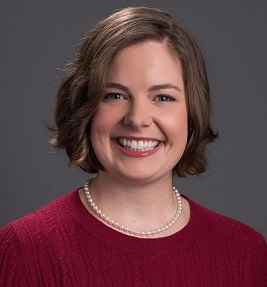
Amy Pruett, DMD | New Group Leader for Broadway Practice
Dr. Amy Pruett is an Alumnus of the OHSU School of Dentistry, graduating in the Class of 2013 as a member of the Steel Group Practice (as Amy Anthony). She joins us after spending the last several years as a Managing General Dentist for the Willamette Dental Group.
“Since my graduation, my practice as a dentist has grown to include mentoring and coaching new dentists. This has become such a joy for me over the last few years and has led me to want to focus on training and coaching new dentists as a full time job. I genuinely feel that I was given the appropriate tools [by OHSU] to be a successful clinician. I hope to be able to continue this legacy of high quality clinical training.”
Fun fact: Dr. Amy Pruett graduated from the School of Dentistry with the brother of one of her DS4s in Broadway (that would be Iraj Kasimi, Class of 2013 and Michelle Kasimi, Class of 2022).
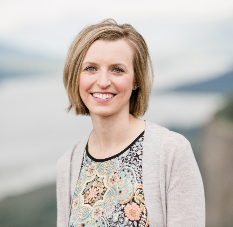
New Fremont Group Practice Leader | Dr. Allison Broyles
Dr. Broyles will be only the second Fremont Group Practice Leader since the inception of our School of Dentistry Group Practices in 2007, replacing Dr. Rosemary McPharlin.
Dr. Broyles is a Class of 2005 Alumnus from the OHSU School of Dentistry, having obtained her Bachelors of Science in Biology from Portland State University. After graduating from OHSU, she was displaced from the Louisiana State University School of Dentistry Prosthodontics Residency Program by Hurricane Katrina and ended up at the University of Illinois at Chicago College of Dentistry, where she obtained her Certificate in Prosthodontics and her Masters of Science in Oral Sciences in 2009.
She returned to OHSU in 2009 as an Assistant Professor in the Department of Restorative Dentistry. In 2012, she became the Chief of Prosthodontics at Permanente Dental Associates in Portland. Dr. Broyles rejoined the academic ranks at the School of Dentistry in October 2020.
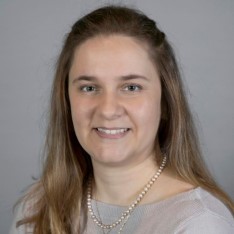
Dr. Carmem Pfeifer | Associate Editor for the Journal of Dental Research.
The International Association for Dental Research (IADR) and American Association for Dental Research (AADR) are pleased to announce that Carmem Pfeifer, Oregon Health & Science University, Portland, USA, has been selected as an Associate Editor of the IADR/AADR publication Journal of Dental Research (JDR) starting July 1, 2021.
Pfeifer received her D.D.S. and Ph.D. from the University of São Paulo, Brazil, and completed her postdoctoral fellowship at the University of Colorado, School of Dentistry and Chemical and Biological Engineering, Aurora/Boulder, USA. She is currently an Associate Professor of Biomaterials and Biomechanics at Oregon Health & Science University, Portland, USA.
Pfeifer’s background is in dental materials and polymer chemistry, including real-time material property development and testing under simulated physiological environments in resin and composite restoratives. To continue reading, click here.
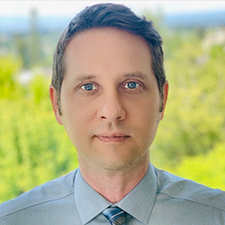
Justin Merritt, PhD. | Oral Dental and Craniofacial Sciences (ODCS)
Dr. Merritt has been appointed a member of the Oral Dental and Craniofacial Sciences (ODCS) study section at the NIH. This study section reviews all of the dental R01 and R21 grants for the NIH. Term runs through 2023.
He was also a guest presenter at Nationwide Children's Hospital in Columbus, Ohio. Lecture entitled: "From stimulus to response: How Streptotoccus mutans coordinates environmental stress perception with structural remodeling of extant biofilms."
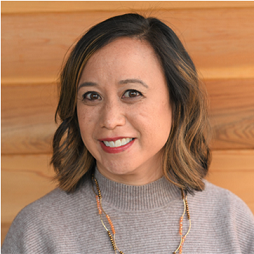
New Steel Bridge Group Practice Leader | Dr. Lenore Supnet
Dr. "Lenny" Supnet, joined the School of Dentistry in October rounding out our soon-to-be all-female Group Practice Leader Team.
Dr. Supnet comes to us from Laurelhurst Dental Practice here in Portland. She earned her DMD from Tufts University in Boston. She has volunteered with Medical Teams International and Mission of Mercy. She also served as a Mentor while an Assistant General Practice Residency Director at the Portland VA. When she has down time, she enjoys movies where the underdog comes out on top, watching the Trailblazers, yoga, hiking, and she adores hanging out with her family. We are pleased to have her on board rounding out our soon-to-be all female Group Practice Leader team!
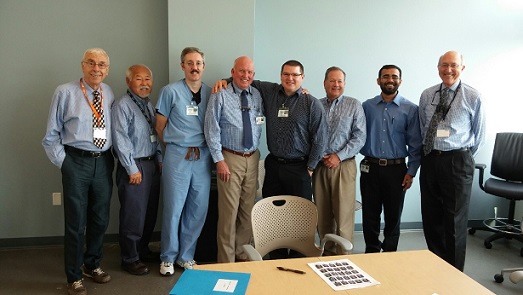
Blast from the Past!
Thanks to Dr. Rita Patterson for sharing this photo, circa 2014, of faculty from her Dental Anatomy REST 701 course. L-R: Luciano Monetti, Wayne Mito, Eric Moore, Dennis Nicola, Craig Robbins, Michael Carlascio, Prashant Poplai, Thad Langford.

Impact Your Health PDX 2021 Clinic
Give Kids a Smile / Tooth Taxi
A few of our SoD faculty and students helped organize participation at the Impact Your Health PDX 2021 clinic in August 2021 at the Portland Adventist Academy. This was our first major dental outreach clinic since Covid began.
In September, Restorative faculty participated with the ODA and the Multnomah County Dental Society at the Give Kids A Smile event at the Arthur Academy in Troutdale. They screened nearly 180 elementary age students, provided home dental care instruction and treated urgent dental care needs in the Tooth Taxi, which was onsite. Thanks to Mark Miller, DMD, MAGD, and Bryan Guthrie, DMD, for heading up this effort!
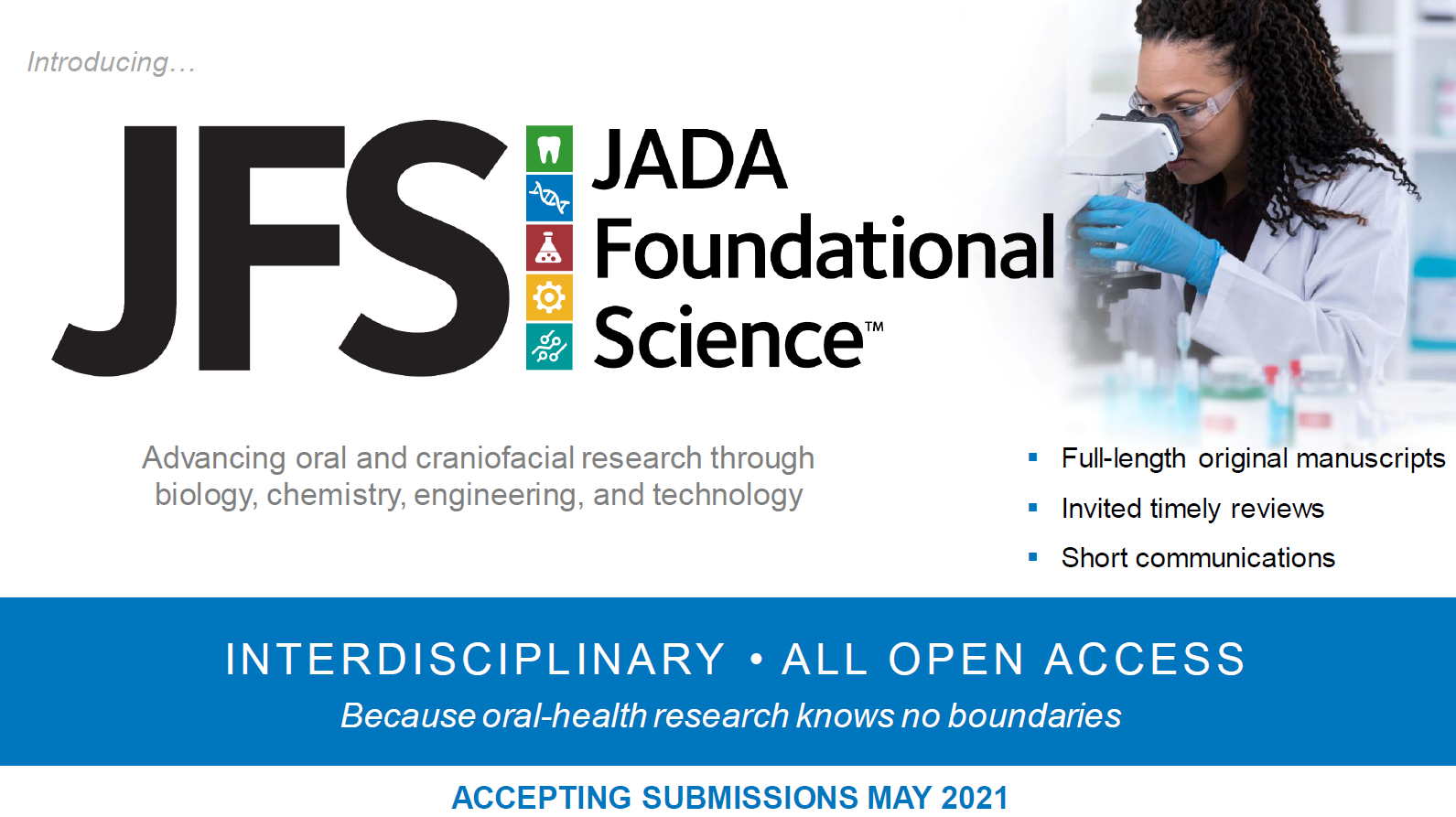
Jack Ferracane, Ph.D. | Editor-in-Chief, JADA Foundational Science
Dr. Ferracane, chair of restorative dentistry, has been named the Editor-in-Chief for a new scientific journal published by the ADA and Elsevier entitled JADA Foundational Science. The American Dental Association currently published the journal JADA, which pertains more to clinical dentistry. The new online only, open access journal will focus more on basic and translational original research in chemistry, biology, materials, engineering and technology that is related to oral and craniofacial health.
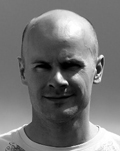
Jens Kreth, Ph.D., had two new papers published:
- Post-translational modification of Streptococcus sanguinis SpxB influences protein solubility and H 2 O 2 production - PubMed
- Differential Response of Oral Mucosal and Gingival Cells to Corynebacterium durum, Streptococcus sanguinis, and Porphyromonas gingivalis Multispecies Biofilms
For more information: pubmed.ncbi.nlm.nih.gov
Despoina Bompolaki, D.D.S., M.S., F.A.C.P.
Associate Professor, Restorative Dentistry
Dr. Despoina Bompolaki, Associate Professor at the Department of Restorative Dentistry, and her team shared their findings on the clinical outcomes of implant restorations that have been completed by our OHSU predoctoral students in the last decade. For the complete article that was published in the Journal of Prosthodontics, click here.
The same team investigated the effects of interproximal contact loss that occurs between implants and adjacent natural teeth, a topic of high interest in the field of Implant Dentistry. Their work was published in the Journal of Prosthetic Dentistry. Read the full article here.
These projects were partially funded by the American Academy of Implant Dentistry.
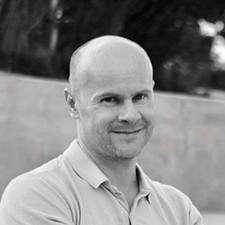
Jens Kreth, Ph.D. | Research Funding Awarded
Project Title: Streptococcal secretion of pyruvate – a novel antioxidant strategy in the oral biofilm
Effort: 25% (3 Calendar Months)
Funding Agency: NIH
Grant Number: 1R21DE029612
Project Dates: September 2020 – August 2022
Project Title: Pyruvate oxidase: a molecular determinant of commensalism among the oral microbiome
Effort: 25% (3 Calendar Months); Funding Agency: NIH
Grant Number: R01DE029492
Project Dates: April 2020 – March 2025
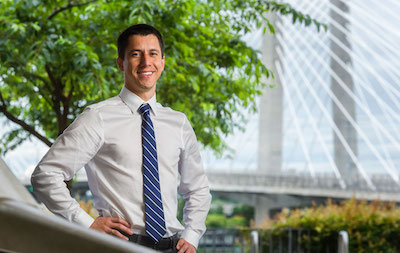
Dr. Luiz Bertassoni and the SOD has been nominated and awarded the Medical Research Foundation of Oregon Richard T. Jones New Investigator Award. The award recognizes an early-career investigator who shows exceptional promise in biomedical research. This individual must be within seven years of completing clinical and/or post-doctoral training and will be judged on the basis of independence, quality of science, national funding and first or senior authored publications in peer-reviewed biomedical research journals. The recipient will receive a cash award of $3,000 and a commemorative award.